Education is not only about reading books, passing examinations, and earning good grades. It is also about learning how to behave, respect others, make responsible decisions, and contribute positively to society. For many parents, choosing a school means finding an institution that provides academic excellence while helping children develop strong moral and spiritual foundations. 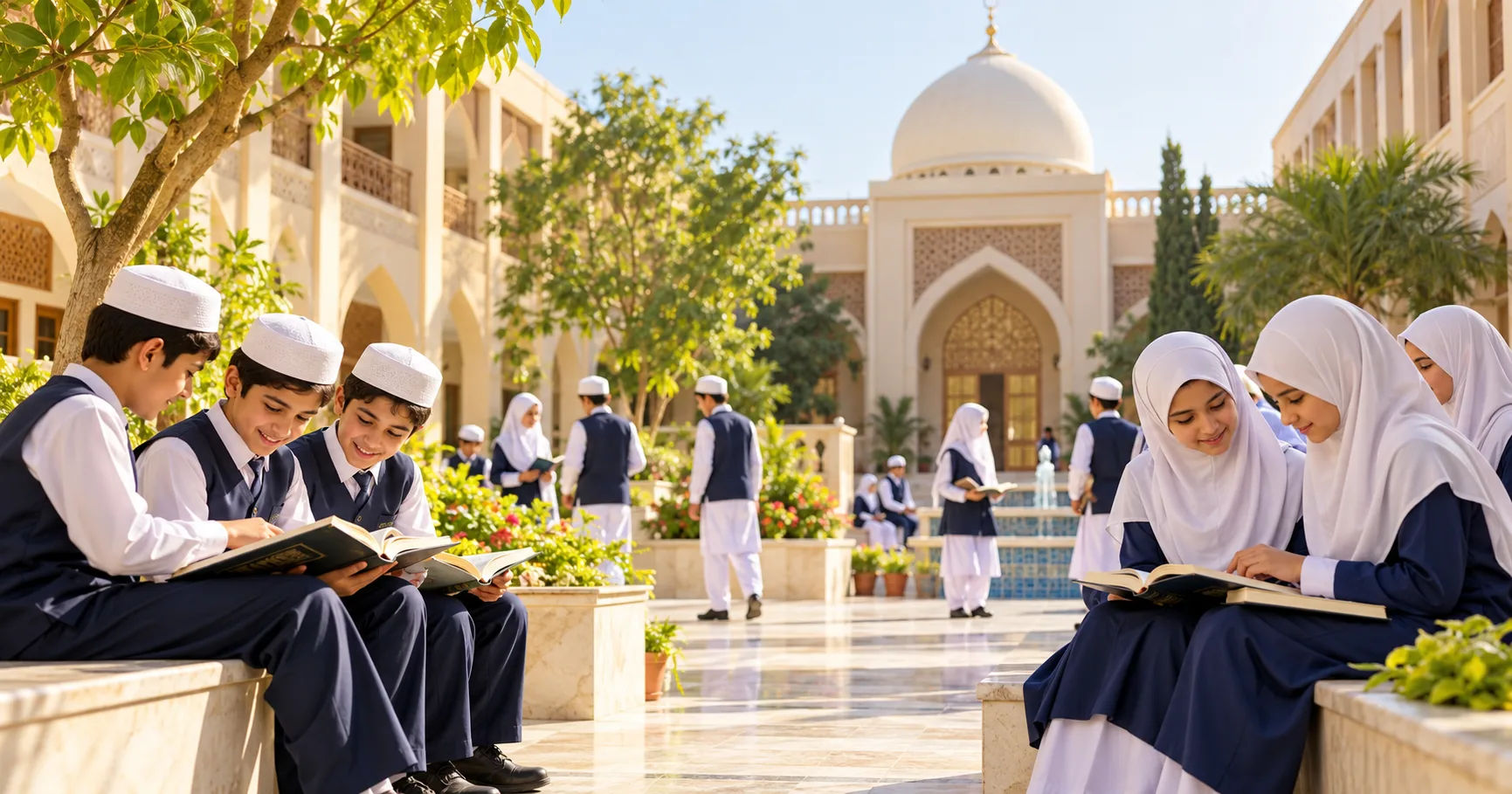 This is why Islamic education holds an important place in many families' educational choices.
A school that combines Islamic teachings with modern learning can help students understand the importance of honesty, kindness, discipline, patience, and responsibility. These values influence how children interact with their classmates, teachers, family members, and the wider community. They also help students develop confidence and a sense of purpose as they grow.
The Best Islamic School in Karachi aims to make moral development an essential part of everyday education by connecting Islamic principles with practical experiences. Rather than limiting values to religious lessons, an effective school encourages students to apply them in the classroom, on the playground, at home, and in their future professional lives.
Understanding how schools teach these principles can help parents make informed decisions about their children's education. From Quranic studies and the example set by teachers to classroom activities and community service, several methods can help students develop a strong character alongside their academic knowledge.
The Importance of Values in Islamic Education
Values are principles that guide people's choices, attitudes, and behaviour. They help children distinguish between right and wrong and understand how their actions affect other people.
Islamic education places particular emphasis on character development because knowledge becomes more meaningful when it is supported by good conduct. Students learn that being educated involves more than understanding academic subjects. It also means treating people fairly, fulfilling responsibilities, and showing compassion.
An effective Islamic school introduces these principles gradually, allowing students to understand them according to their age and level of maturity.
Connecting Faith With Everyday Behaviour
Students may learn about honesty during an Islamic Studies lesson, but they also need opportunities to practise it. For example, a child who admits making a mistake demonstrates honesty in a real situation.
Teachers can use everyday experiences to explain how Islamic teachings apply to ordinary decisions. Sharing classroom materials, returning a lost item, helping a struggling classmate, and respecting school rules all provide opportunities to practise good character.
This connection between faith and behaviour makes moral education practical rather than purely theoretical.
Developing a Strong Moral Foundation
Children begin forming habits at an early age. Their experiences with parents, teachers, friends, and educational institutions influence how they understand responsibility and acceptable behaviour.
Schools can strengthen this development by establishing clear expectations and consistently encouraging positive conduct. When students understand why a behaviour matters, they are more likely to follow the principle even when an adult is not watching.
A strong moral foundation can help young people respond thoughtfully to peer pressure, disagreements, and difficult choices.
Teaching Values Through Quranic Education
Quranic education is an important component of many Islamic schools. Through age-appropriate Quran lessons, students become familiar with Islamic teachings and explore the moral principles that guide Muslim life.
However, effective teaching involves more than memorising verses. Students benefit when teachers explain meanings, discuss relevant lessons, and connect religious knowledge with practical examples.
Learning Honesty and Truthfulness
Honesty is one of the most important values children can develop. It encourages trust, strengthens relationships, and helps create a fair learning environment.
Teachers can discuss the importance of telling the truth, completing assignments honestly, and acknowledging mistakes. Stories from Islamic teachings can provide meaningful examples of truthfulness and integrity.
For instance, when a student accidentally damages classroom property, the teacher can encourage the child to explain what happened rather than hide the mistake. The situation becomes an opportunity to discuss accountability and making things right.
Students gradually learn that honesty is important even when telling the truth feels uncomfortable.
Understanding Kindness and Compassion
The Quran encourages believers to practise kindness, generosity, and care for others. Schools can introduce these principles through stories, classroom discussions, and practical activities.
Students may be encouraged to support classmates who are struggling, speak gently to younger children, and show consideration for people experiencing difficulties.
Teachers can also discuss how compassion extends beyond close friends and family members. Treating unfamiliar people respectfully and helping someone without expecting a reward are valuable expressions of good character.
These lessons can help children become more thoughtful and empathetic members of society.
Learning Patience and Gratitude
Patience helps students manage frustration, wait for their turn, and continue working when a task becomes difficult. Gratitude encourages them to appreciate their opportunities, relationships, and achievements.
Teachers can reinforce patience when students face challenging assignments or disagreements with classmates. Instead of reacting immediately, children can learn to pause, listen, and consider their options.
Gratitude can be encouraged through reflection activities, classroom discussions, and recognition of the people who support students' learning.
Together, these values help children develop emotional maturity and a more positive attitude toward everyday challenges.
Teaching Values Through the Example of Teachers
Children often learn as much from what adults do as from what adults say. Teachers therefore play a central role in character development.
An Islamic school can promote excellent values by ensuring that educators demonstrate the same principles they expect students to follow.
Practising Respect and Fairness
Teachers can model respect by listening carefully, speaking politely, and treating students fairly. When children see these behaviours regularly, they begin to understand what respectful communication looks like.
Fairness is especially important in classrooms where students have different abilities, personalities, and learning needs. Teachers should establish clear rules and apply them consistently.
For example, a teacher can give every student an opportunity to contribute to a discussion rather than allowing only the most confident children to speak.
Such practices demonstrate that every student deserves dignity and consideration.
Correcting Mistakes With Patience
Discipline is necessary for learning, but the way adults correct mistakes also teaches important lessons.
A constructive approach explains what went wrong, why the behaviour was inappropriate, and how the student can improve. It avoids humiliation and encourages children to take responsibility for their actions.
When teachers remain calm during difficult situations, students can observe how patience and self-control work in practice.
This approach helps create an environment where children can acknowledge mistakes, learn from them, and develop better habits.
Building Trust Between Students and Teachers
Students are more likely to discuss their concerns when they believe their teachers will listen fairly. Trust can grow when educators maintain appropriate boundaries, respect confidentiality, and respond consistently.
A supportive relationship also helps teachers understand why a student may be struggling with behaviour or schoolwork.
Rather than focusing only on punishment, teachers can guide students toward practical solutions that support personal growth.
Developing Discipline Through Daily School Routines
Discipline is another important value taught through Islamic education. It involves managing time, following reasonable rules, completing responsibilities, and controlling behaviour.
Schools can make discipline part of daily life through routines that help students understand the importance of order and consistency.
Encouraging Punctuality and Responsibility
Arriving on time teaches students to respect other people's time and prepare for their responsibilities. Completing assignments, bringing necessary materials, and keeping classrooms tidy also encourage independence.
Teachers can help students develop these habits by explaining expectations and giving them age-appropriate responsibilities.
For younger children, this might involve organising books or putting away classroom materials. Older students may learn to plan assignments, manage deadlines, and prepare for examinations independently.
These habits can support students throughout their education and later careers.
Connecting Discipline With Islamic Practices
Islamic practices provide opportunities to discuss consistency, preparation, reflection, and responsibility.
For example, learning about the importance of prayer can introduce conversations about making time for important commitments. Teachers can explain these ideas respectfully and according to students' ages.
The aim is to help children understand the meaning behind religious practices rather than treating them as tasks to complete without reflection.
When students understand the purpose of a routine, they may be more willing to develop it into a lasting habit.
Teaching Respect for Parents, Elders, and Others
Respect is an essential element of healthy relationships. Islamic teachings emphasise kindness toward parents, consideration for elders, and good treatment of others.
Schools can reinforce these principles while helping students understand that respectful behaviour should be mutual.
Strengthening Family Values
Teachers can explain the importance of appreciating parents and guardians, listening thoughtfully, and contributing to family responsibilities.
Activities might include discussions about helping at home, expressing gratitude, and communicating disagreements politely.
These lessons encourage children to recognise the effort that family members make to support their education and well-being.
Parents can reinforce the same principles at home by modelling respectful communication and giving children opportunities to take responsibility for suitable household tasks.
Promoting Respect Among Classmates
Students regularly interact with people who have different interests, abilities, and personalities. Learning to respect these differences is an important part of social development.
Schools can discourage teasing, bullying, exclusion, and hurtful language by establishing clear behavioural expectations.
Group activities can teach students to listen to different opinions, share responsibilities, and solve disagreements without aggression.
The Best Islamic School in Karachi should aim to demonstrate that respect is not limited to a particular age group or social position. Every individual deserves fair treatment and dignity.
Using Classroom Activities to Strengthen Character
Values become easier to understand when students can practise them. Classroom activities provide structured opportunities to turn moral lessons into everyday habits.
Group Projects and Teamwork
Group assignments encourage students to cooperate, communicate, and share responsibilities. Each student can contribute according to their abilities while learning to appreciate the efforts of others.
Teachers can assign different roles so that everyone has a meaningful part in the activity. Students can then reflect on how cooperation helped them achieve their goals.
If disagreements occur, teachers can guide the group through respectful discussion and problem-solving.
These experiences teach teamwork, fairness, patience, and accountability.
Stories, Discussions, and Role-Playing
Stories from Islamic history and everyday life can introduce students to situations involving honesty, generosity, courage, and responsibility.
Teachers can ask students what they would do in a particular situation and invite them to explain their reasoning.
Role-playing can make these lessons more engaging. Students might practise apologising after a disagreement, refusing to participate in bullying, or returning something that belongs to another person.
These activities allow children to consider the consequences of their choices before facing similar situations in real life.
Encouraging Reflection
Reflection helps students recognise their behaviour and identify areas for improvement.
Teachers may ask learners to think about questions such as:
-
Did I treat my classmates fairly today?
-
Did I complete my responsibilities honestly?
-
Did I help someone who needed support?
-
What could I do differently after making a mistake?
The purpose is not to make children feel ashamed. Instead, reflection encourages self-awareness and a willingness to improve.
Promoting Charity, Generosity, and Community Service
Islamic values encourage generosity and concern for people who face hardship. Schools can help students understand these principles through age-appropriate service activities.
Introducing the Importance of Giving
Teachers can explain concepts such as charity, zakat, and voluntary assistance in ways that suit students' levels of understanding.
Students may participate in supervised donation drives, collect essential supplies, or contribute to school initiatives supporting families in need.
The emphasis should remain on compassion and responsibility rather than competition over who contributes the most.
Children should also understand that generosity is not limited to money. Sharing knowledge, offering assistance, and spending time helping others can be meaningful forms of service.
Organising Community Activities
Schools may organise activities such as neighbourhood clean-ups, food collection campaigns, or visits and support initiatives for appropriate community organisations.
These experiences help students see how individual actions can benefit others.
Teachers can connect each activity to values such as service, cooperation, gratitude, and respect.
Community involvement also helps students develop a broader understanding of their responsibilities beyond the classroom.
Teaching Digital Responsibility and Modern Values
Today's students use digital devices for learning, entertainment, and communication. Therefore, moral education should also address behaviour in online environments.
Islamic principles of honesty, respect, privacy, and responsibility can guide students' digital choices.
Encouraging Responsible Online Communication
Students should learn that hurtful messages, rumours, and humiliating images can cause real harm, even when shared through a screen.
Teachers can discuss cyberbullying, respectful online discussions, and the importance of verifying information before sharing it.
Children should also understand that disagreements online should be handled calmly and that harmful behaviour should be reported to a trusted adult when necessary.
These lessons connect traditional moral principles with the challenges students encounter in modern life.
Protecting Privacy and Personal Information
Digital responsibility includes respecting other people's privacy. Students should seek permission before sharing photographs or personal information and avoid publishing private conversations without consent.
They should also learn not to share passwords, sensitive details, or information that could put themselves or others at risk.
By discussing realistic examples, schools can help students understand that responsible technology use requires good judgment as well as technical knowledge.
Helping Students Develop Emotional Intelligence
Character development includes learning to understand emotions and respond to them appropriately. Students may experience disappointment, anger, anxiety, jealousy, or frustration as they navigate school life.
A supportive educational environment helps children recognise these feelings without allowing them to justify harmful behaviour.
Developing Self-Control
Teachers can introduce practical strategies such as taking a short pause, breathing slowly, asking for help, and explaining feelings respectfully.
When students argue, teachers can help them identify the problem and consider possible solutions before reacting.
These techniques encourage patience and reduce the likelihood of impulsive decisions.
Self-control does not mean ignoring emotions. It means learning to express them in ways that protect personal dignity and respect others.
Building Empathy and Forgiveness
Empathy allows students to consider how another person might feel. Teachers can encourage this skill by discussing different perspectives during classroom stories or conflict-resolution activities.
Forgiveness can also be introduced as a valuable principle while explaining that serious or repeated harmful behaviour still requires appropriate action.
Students should learn that apologising, making amends, and changing behaviour are important steps toward rebuilding trust.
This balanced approach supports healthy relationships and emotional maturity.
The Role of Parents in Reinforcing School Values
Schools cannot develop a child's character alone. Parents and guardians have a major influence on how children understand and practise values.
When home and school communicate regularly, students receive more consistent guidance.
Creating Consistency Between Home and School
Parents can ask children about the values discussed during school lessons and invite them to share examples of how those values apply to everyday life.
Simple conversations about honesty, gratitude, responsibility, and kindness help reinforce classroom learning.
Families can also establish suitable routines for homework, household responsibilities, religious practices, and respectful communication.
Consistency makes it easier for children to understand that good character matters in different settings, not only during school hours.
Communicating With Teachers
Regular communication helps parents understand their child's academic progress, social development, and areas requiring support.
If a student repeatedly struggles with discipline, parents and teachers can work together to identify possible causes and develop a constructive plan.
This partnership should focus on improvement rather than blame. Recognising positive changes is equally important because encouragement can strengthen a child's motivation to continue practising good habits.
How Parents Can Evaluate a School's Approach to Values
Parents considering an Islamic school should look beyond religious subjects listed in a prospectus. They should explore how values influence the school's daily environment.
Questions to Ask During a School Visit
Parents can ask how teachers incorporate moral lessons into classroom activities, how the school responds to bullying, and how students are encouraged to resolve conflicts.
It is also useful to ask whether the school provides opportunities for community service, encourages student leadership, and communicates behavioural concerns to families.
Observing teacher-student interactions can provide valuable information about whether respect, fairness, and compassion are genuinely practised.
Looking for Evidence of Character Development
A school's approach to values should be visible in its policies, routines, and relationships.
For example, students should understand behavioural expectations, know how to seek help, and have opportunities to take responsibility for their actions.
Parents should also consider whether the school balances discipline with emotional support and whether its educational approach encourages students to ask thoughtful questions.
The goal is to find an environment where Islamic teachings, academic development, and positive social behaviour support one another.
Conclusion
Teaching values is an essential part of Islamic education because children need more than academic knowledge to become responsible and compassionate adults. They also need guidance that helps them understand honesty, respect, patience, discipline, generosity, and accountability.
An effective Islamic school teaches these principles through Quranic education, the example set by teachers, structured routines, classroom activities, and community service. It also helps students apply Islamic teachings to modern challenges, including digital communication, emotional well-being, teamwork, and relationships with people from different backgrounds.
The Best Islamic School in Karachi should provide opportunities for students to practise values in meaningful ways rather than relying exclusively on memorisation or instructions. When children learn to admit mistakes, help others, respect differences, and fulfil their responsibilities, moral education becomes part of their daily lives.
Parents are equally important in this process. By communicating with teachers, modelling positive behaviour, and reinforcing lessons at home, families can help children develop consistent habits and a stronger sense of responsibility.
Ultimately, the most effective values-based education brings faith, knowledge, and practical behaviour together. Its success can be seen not only in students' academic achievements but also in how they treat others, respond to challenges, make decisions, and contribute to their communities.