A temporary tattoo is a fun and creative way to enjoy body art without making a lifelong commitment. Whether you want to experiment with a new design, match a festival outfit, celebrate a special event, or simply express yourself, a temporary tattoo offers flexibility and style.
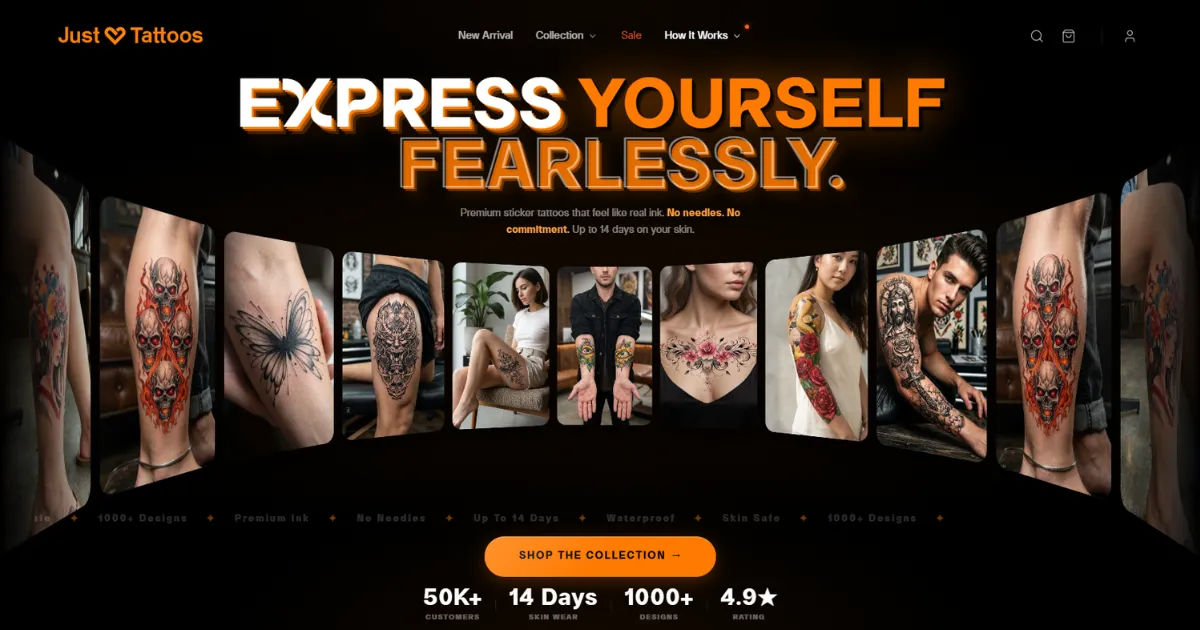
However, one of the most common questions people ask before applying one is whether a temporary tattoo is waterproof.The answer depends on the type of tattoo, the materials used, and how well you care for it after application. Some designs can withstand showers, swimming, and sweating for several days, while others may fade after only a little contact with water.
Understanding the differences can help you choose the right option and make your design last longer.In this comprehensive guide, you'll learn how water affects different types of temporary tattoos, what makes some more durable than others, and the best tips for protecting your design from moisture.
What a Temporary Tattoo Is
A temporary tattoo is a decorative design placed on the skin that lasts for a limited period instead of permanently embedding ink beneath the skin. These tattoos are available in many styles, colors, and application methods.
Unlike permanent tattoos, they fade naturally as the outer layer of skin sheds. This makes them ideal for people who enjoy changing their appearance frequently or want to test a design before getting permanent ink.
Temporary tattoos are commonly used for:
- Festivals
- Birthday parties
- Weddings
- Sporting events
- Promotional campaigns
- Fashion shoots
- Costume events
- Children's activities
- Personal style experiments
Their popularity continues to grow because they are affordable, painless, and available in countless artistic designs.
The Simple Answer: Is a Temporary Tattoo Waterproof?
The short answer is yes—but only to a certain extent.
Many modern temporary tattoos are designed to resist water during daily activities such as:
- Washing hands
- Taking short showers
- Light sweating
- Gentle rain
However, waterproof does not always mean completely waterproof.
Extended exposure to water, especially when combined with rubbing, soap, chlorine, or saltwater, can gradually weaken the adhesive or ink, causing the tattoo to fade or peel.
The level of water resistance depends on several important factors.
Different Types of Temporary Tattoos and Their Water Resistance
Transfer Paper Tattoos
These are the classic temporary tattoos that transfer onto the skin using water.
They are inexpensive and easy to apply.
Water Resistance:
- Lightly waterproof
- Usually survive one or two showers
- May peel after swimming
Average lifespan:
- 2–5 days
Ink-Based Temporary Tattoos
These tattoos use cosmetic-grade ink that stains the upper layer of skin.
Because the color sits within the outer skin rather than on top of it, they are much more durable.
Water Resistance:
- Highly water-resistant
- Better suited for swimming
- Last longer after showers
Average lifespan:
- 7–14 days
Henna Tattoos
Henna stains the skin naturally instead of using adhesives.
Water Resistance:
- Naturally waterproof after stain develops
- Frequent washing slowly fades the stain
Average lifespan:
- 1–3 weeks
Jagua Tattoos
Jagua comes from a tropical fruit and creates a dark blue-black stain.
Water Resistance:
- Very water-resistant
- Handles daily washing well
Average lifespan:
- 1–2 weeks
Metallic Temporary Tattoos
These shiny gold or silver tattoos are popular at parties and festivals.
Water Resistance:
- Moderate
- Water exposure reduces shine quickly
Average lifespan:
- 2–4 days
What Does Waterproof Really Mean?
Many people misunderstand the word waterproof.
For a temporary tattoo, waterproof usually means it can survive:
- A quick shower
- Light rain
- Washing your face
- Everyday sweat
It does not necessarily mean it can survive:
- Hours in a swimming pool
- Long hot baths
- Sauna sessions
- Constant rubbing with towels
- Scrubbing with soap
Think of waterproof as water-resistant rather than completely immune to moisture.
Can You Swim with a Temporary Tattoo?
Yes, but there are limits.
If you plan to swim:
- Wait several hours after application.
- Let the tattoo fully set.
- Avoid rubbing the design.
- Pat the area dry afterward.
Swimming occasionally is generally fine for high-quality tattoos, but repeated exposure shortens their lifespan.
Does Chlorine Damage a Temporary Tattoo?
Yes.
Swimming pools contain chlorine, which is designed to break down contaminants.
Unfortunately, chlorine can also:
- Weaken adhesives
- Fade colors
- Dry the skin
- Cause peeling
The longer you remain in chlorinated water, the faster the tattoo may wear away.
What About Saltwater?
Saltwater affects tattoos differently.
Although it contains no chlorine, salt can:
- Dry out skin
- Increase peeling
- Fade some pigments
- Reduce adhesive strength
After swimming in the ocean, rinse the skin gently with fresh water and avoid scrubbing.
Can Sweat Remove a Temporary Tattoo?
Normal sweating usually isn't a problem.
Most quality tattoos are designed for everyday activity.
Heavy sweating during:
- Running
- Weightlifting
- Sports
- Outdoor work
may gradually reduce the tattoo's lifespan, especially if clothing repeatedly rubs against it.
Does Shower Temperature Matter?
Yes.
Hot water softens adhesives much faster than cool water.
Warm or cool showers help preserve the design longer.
Very hot showers can:
- Lift edges
- Fade colors
- Increase peeling
Short showers are better than long ones.
How Soap Affects a Temporary Tattoo
Soap removes oils from your skin.
Some soaps also contain strong cleansing ingredients that slowly dissolve tattoo adhesives.
To protect your tattoo:
- Use mild soap.
- Avoid scrubbing.
- Rinse gently.
- Pat dry.
Never scrub directly over the tattoo.
Best Areas for a Waterproof Temporary Tattoo
Location matters.
Areas with less friction usually keep tattoos looking fresh longer.
Good locations include:
- Upper arm
- Shoulder
- Back
- Forearm
- Calf
- Upper chest
These areas experience less rubbing and moisture.
Areas That Fade Faster
Certain parts of the body naturally wear tattoos more quickly.
These include:
- Hands
- Fingers
- Feet
- Neck
- Elbows
- Knees
Frequent movement and washing shorten the tattoo's lifespan.
How to Make a Temporary Tattoo More Waterproof
Proper care makes a noticeable difference.
Let It Dry Completely
After application, avoid touching the tattoo until it has fully dried.
Drying time depends on the product but generally ranges from a few minutes to one hour.
Avoid Moisturizer Immediately
Lotions prevent adhesives from bonding properly.
Apply tattoos only to clean, dry skin.
Pat Dry Instead of Rubbing
After showers:
- Use a soft towel.
- Pat gently.
- Never rub.
Rubbing is one of the biggest reasons tattoos peel early.
Avoid Excessive Friction
Tight clothing constantly rubbing against the tattoo speeds fading.
Loose clothing helps preserve the design.
Stay Away from Oils
Baby oil, coconut oil, sunscreen oils, and makeup removers dissolve many temporary tattoos.
Avoid applying oils directly over the design.
Can Waterproof Sprays Help?
Some people use cosmetic sealants designed for body art.
These products may:
- Improve durability
- Add protection
- Reduce fading
Always ensure any spray is skin-safe before use.
How Long Does a Waterproof Temporary Tattoo Last?
Average lifespan varies by type.
Transfer tattoos:
- 2–5 days
Metallic tattoos:
- 2–4 days
Ink tattoos:
- 7–14 days
Henna:
- 7–21 days
Jagua:
- 7–14 days
Proper care can often extend these timeframes.
Signs Your Temporary Tattoo Is Wearing Off
You'll notice gradual changes such as:
- Lighter colors
- Peeling edges
- Cracks
- Missing sections
- Uneven appearance
This is completely normal.
The skin naturally renews itself every few weeks.
Can You Sleep with a Temporary Tattoo?
Yes.
For the first night:
- Avoid tight clothing.
- Keep the tattoo dry.
- Let it fully cure before bed.
This helps prevent accidental smudging.
Does Sunscreen Affect Waterproof Tattoos?
Yes.
Oil-based sunscreens may weaken some tattoos.
Mineral sunscreens are often gentler.
Whenever possible:
- Apply sunscreen around the tattoo.
- Let sunscreen dry before touching the design.
Common Mistakes That Ruin a Temporary Tattoo
Many tattoos fade early because of avoidable mistakes.
Examples include:
- Applying to wet skin
- Applying lotion beforehand
- Swimming immediately
- Rubbing with towels
- Scratching
- Long hot baths
- Using harsh soaps
- Wearing tight clothing
Avoiding these habits helps maximize durability.
Choosing a High-Quality Temporary Tattoo
Not every product performs the same.
Look for tattoos that offer:
- Waterproof formulas
- Skin-safe ingredients
- Cosmetic-grade inks
- Good customer reviews
- Easy application
- Clear care instructions
Higher-quality products generally provide better color, sharper details, and longer wear.
Are Waterproof Temporary Tattoos Safe?
Most reputable products are safe when used correctly.
Always:
- Read ingredient labels.
- Follow instructions.
- Perform a small patch test if you have sensitive skin.
- Avoid applying over cuts or irritated skin.
If irritation occurs, remove the tattoo and discontinue use.
Who Benefits Most from Waterproof Temporary Tattoos?
These tattoos are ideal for:
- Festival attendees
- Vacation travelers
- Athletes
- Wedding guests
- Models
- Performers
- Students
- Children (with adult supervision)
- People considering permanent tattoos
The added water resistance allows users to enjoy their design without worrying about every splash or shower.
Frequently Asked Questions
Can I shower every day?
Yes. Short showers with gentle drying are generally safe.
Will my tattoo survive swimming?
Most high-quality tattoos can handle occasional swimming, but repeated exposure shortens their lifespan.
Can I wash my hands?
Yes. Hand tattoos simply fade faster because of frequent washing.
Is sweating harmful?
Normal sweating is usually fine. Heavy exercise may reduce longevity.
Can I use lotion?
Wait until the tattoo has fully set, and avoid applying lotion directly over the design whenever possible.
Conclusion
A temporary tattoo can be waterproof enough for everyday life, but no product is completely immune to water, friction, and natural skin renewal. High-quality ink-based, henna, and Jagua tattoos generally offer the best water resistance, while traditional transfer tattoos are better suited for short-term wear. By applying the tattoo correctly, allowing it to dry fully, avoiding harsh soaps and excessive rubbing, and limiting prolonged exposure to swimming pools or hot water, you can significantly extend its lifespan. Whether you're preparing for a vacation, festival, wedding, or simply trying a new look, choosing the right temporary tattoo and following proper care techniques will help keep your design vibrant, sharp, and attractive for as long as possible.