Smash burgers have become a favorite among burger lovers because of their crispy edges, rich beef flavor, and juicy texture. Unlike traditional burgers, which are usually shaped into thick patties before cooking, smash burgers are made by pressing a ball of ground beef onto a hot, flat cooking surface. This simple technique creates a delicious crust and helps produce the distinctive taste that makes this burger style so popular.
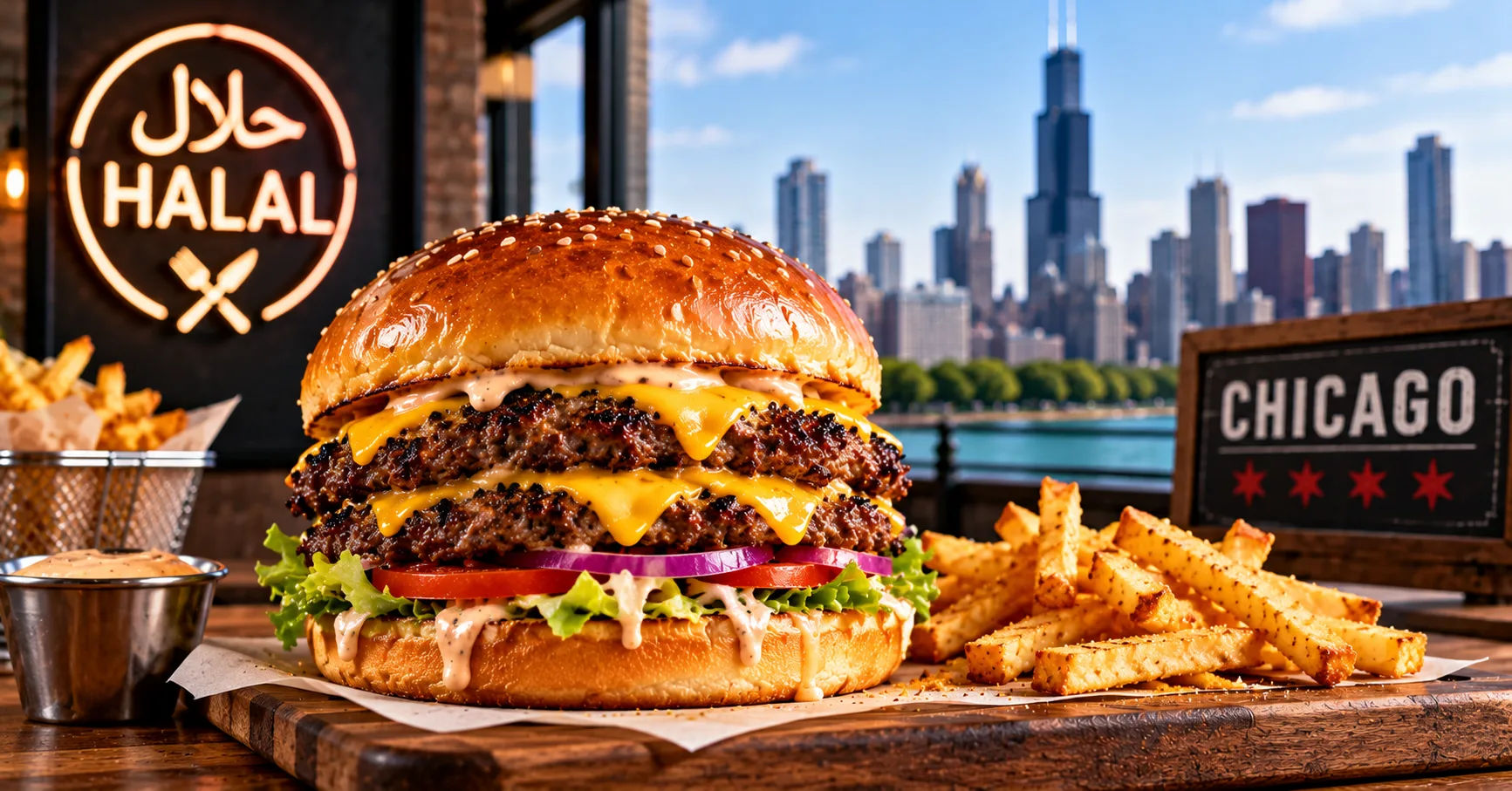
A Halal Beef Smash Burger brings together this cooking method and the requirements of halal food preparation. It uses appropriately sourced halal beef and suitable ingredients while focusing on the flavor and texture that make smash burgers special. For people who want a satisfying burger that meets their dietary requirements, understanding the reason behind smashing the beef can make the cooking experience even better.
But why is smashing the beef so important? Does it really improve the flavor, and how does it affect the texture of the finished burger? The answers lie in the science of browning, the way heat reaches the meat, and the balance between the crispy exterior and tender center.
In this comprehensive guide, we will explore why cooks smash beef patties, how the technique works, how to achieve the best results at home, and what makes the process particularly effective when preparing a halal burger. We will also cover common mistakes, practical cooking tips, and ways to create a flavorful burger without compromising on ingredient quality or food safety.
What Does Smashing a Beef Burger Mean?
Smashing a burger means pressing a ball of ground beef firmly against a hot, flat cooking surface to create a thin patty. Instead of forming a thick disc before cooking, the cook spreads the meat outward shortly after it touches the griddle.
This technique is different from preparing a conventional burger. A traditional patty is generally shaped in advance and cooked without being pressed flat against the pan. It retains more thickness and usually has a softer exterior unless it is cooked specifically to develop a crust.
A smash burger takes advantage of direct contact between the beef and the hot surface. The increased contact encourages browning, producing crisp edges and a deeply savory flavor.
The technique is simple, but timing matters. The beef should be smashed immediately after it is placed on the hot griddle. Once the crust begins to develop, pressing the patty again is unnecessary and may squeeze out flavorful juices.
The aim is not simply to make the burger thinner. It is to create the right balance of surface browning, tenderness, and flavor.
Why Smash a Halal Beef Smash Burger?
There are several reasons why this technique works so well. It improves browning, creates a distinctive texture, encourages even cooking, and allows the beef's natural flavor to stand out.
1. To Create a Crispy, Flavorful Crust
The biggest reason to smash beef is to maximize contact between the meat and the hot cooking surface.
When ground beef is pressed into a thin layer, more of its surface touches the hot metal. This encourages the Maillard reaction, a chemical process that occurs when proteins and certain sugars react under suitable heating conditions.
The reaction produces many of the aromas, colors, and flavors associated with browned meat. It is one reason a well-seared burger tastes different from meat that has mostly steamed or boiled.
A thin patty provides a large area for this browning to occur. The result is a dark golden-brown crust with a rich, savory flavor.
For a Halal Beef Smash Burger, this crust is one of the main attractions. The meat does not need a complicated seasoning blend to taste delicious. Good-quality beef, salt, pepper, and proper heat can produce excellent results.
2. To Improve Texture
Texture plays a major role in how a burger tastes. A thick patty offers a substantial, soft bite, while a smash burger combines crisp edges with a thinner, tender center.
Smashing spreads the beef outward and creates irregular edges. These thin edges brown quickly and may become crisp, giving each bite a satisfying contrast.
The center remains more tender when the patty is cooked correctly. Choosing beef with a suitable fat content also helps maintain flavor and reduces the risk of a dry result.
This contrast between crispy and tender textures is one of the main reasons smash burgers have become so popular.
3. To Develop Beef Flavor Quickly
Because smash burgers are thin, they can develop a browned surface in a relatively short time.
A thick burger takes longer to cook through, so the cook must balance surface browning with the temperature inside the patty. A smash burger has a shorter path for heat to travel through the meat.
However, quick cooking does not mean the patty can be undercooked. Ground beef should reach a safe internal temperature of 71°C (160°F), checked with a food thermometer.
The advantage is that a thin patty can develop considerable surface flavor without requiring a long cooking process.
4. To Make Every Bite More Flavorful
A burger's flavor comes from more than the meat alone. The crust, cheese, bun, sauce, and toppings all contribute to the final experience.
Smashing creates more browned surface area relative to the amount of beef. This means the characteristic seared flavor can feature prominently in each bite.
When paired with melted cheese, tangy pickles, onions, and a toasted bun, the result is a balanced combination of savory, creamy, sweet, and acidic flavors.
This is especially useful when making smaller burgers because the beef flavor remains noticeable without requiring an oversized patty.
5. To Cook the Patties More Efficiently
Thin patties generally cook faster than thick ones because heat has less distance to travel through the meat.
This makes smash burgers practical for busy home cooks and restaurants serving multiple customers. Several patties can be prepared in succession on a sufficiently large griddle.
Cooking time still depends on the thickness of the patties, the heat of the pan, and the amount of beef used. Avoid overcrowding the cooking surface because doing so can reduce its temperature and interfere with browning.
Efficiency is one benefit of the method, but proper cooking and food safety must remain priorities.
How Smashing Affects the Cooking Process
Understanding what happens when beef meets a hot griddle helps explain why the technique works so well.
Surface Contact and Heat Transfer
When a ball of beef is placed on a hot griddle, only a small portion of its surface initially touches the metal. Pressing it flat increases the contact area, allowing more heat to transfer directly into the meat.
This encourages browning across a larger area instead of leaving most of the patty's exterior relatively soft.
The griddle should be hot enough to brown the beef efficiently without creating excessive smoke or burning the meat. A heavy skillet or flat-top griddle is especially useful because it can retain heat when the cold meat is added.
Fat Distribution and Juiciness
Fat contributes to the flavor and mouthfeel of ground beef. As the patty cooks, some of this fat renders out onto the griddle, helping the surface fry and brown.
Beef with approximately 20% fat is a common choice for smash burgers. Leaner beef can work, but it may produce a less rich result.
It is important to understand that smashing does not automatically make meat juicier. Pressing the beef too late or repeatedly during cooking can force out juices and fat. The goal is to spread the meat once, early in the cooking process, and then allow it to brown.
Why Timing Matters
The best time to smash a patty is immediately after placing the beef on the hot cooking surface. At this stage, the meat is still soft and easy to spread.
Once the underside develops a crust, the patty becomes more fragile. Pressing it again can break the browned layer and squeeze out moisture.
A good smash burger depends on controlled pressure at the beginning, followed by patience while the crust develops.
How to Make a Halal Beef Smash Burger at Home
You can make a delicious burger at home with a few basic ingredients and a heavy pan. The following recipe makes two double-patty burgers.
Ingredients You Need
-
400 grams of halal ground beef, divided into four portions
-
Two burger buns
-
Four slices of suitable melting cheese
-
One small onion, sliced
-
Pickles and lettuce
-
Salt and black pepper
-
Ketchup, mustard, or a suitable burger sauce
-
A little cooking oil, if required by your pan
Use beef from a reliable halal supplier, and check the other ingredients when their halal status is uncertain.
Step 1: Divide the Beef Into Portions
Divide the beef into four portions of approximately 100 grams each. Shape each portion loosely into a ball.
Avoid kneading the meat or packing it tightly. Keeping the portions loose makes them easier to smash and helps prevent a dense texture.
Keep the beef refrigerated until you are ready to cook, and prepare the vegetables separately.
Step 2: Heat the Griddle
Place a heavy skillet or flat griddle over medium-high to high heat. Allow it to heat thoroughly before adding the meat.
A hot cooking surface is essential for developing a good crust. If the griddle is too cool, the beef may release liquid and steam instead of browning properly.
Use only a small amount of oil if needed. Fatty beef will generally release some of its own fat during cooking.
Step 3: Place and Smash the Beef
Put one beef ball onto the hot griddle. Immediately press it flat with a sturdy spatula or burger press.
A small piece of baking parchment between the meat and the press can help prevent sticking. Spread the beef evenly, aiming for a thin patty with slightly irregular edges.
Do not wait until the beef has cooked for a long time before smashing it. The technique works best while the meat is still soft.
Step 4: Season and Brown
Season the exposed side with salt and black pepper. Leave the patty undisturbed while the underside develops a deep brown crust.
Avoid repeatedly lifting the meat to check its progress. The patty should release more easily when its browned surface has formed.
The exact time depends on the thickness of the patty and the heat of the griddle, so pay attention to the appearance and texture.
Step 5: Flip and Cook Thoroughly
Slide the spatula beneath the patty, scraping up the crust, and flip it carefully.
Add a slice of suitable cheese during the final stage of cooking. Allow it to melt over the beef.
Check that the ground beef reaches an internal temperature of 71°C (160°F). Thin patties can be difficult to measure accurately, so use an appropriate food thermometer and follow its instructions.
Step 6: Toast the Buns
Place the cut sides of the buns on the griddle until lightly golden. Toasting gives the bread a pleasant flavor and helps it resist moisture from the meat and sauce.
Watch the buns carefully because they can brown quickly on a hot surface.
Step 7: Assemble the Burger
Spread sauce on the toasted bun, add the cooked patties, and finish with onions, pickles, and lettuce.
Serve the burgers immediately to enjoy the contrast between the crisp edges, melted cheese, and soft bread.
Why Halal Ingredients Matter
The smash technique explains how the burger is cooked, but it does not determine whether the finished meal is halal. That depends on the ingredients and the preparation practices used.
Choose Properly Sourced Beef
The beef must come from a permissible animal and meet applicable halal slaughter requirements. Buy from a reliable supplier and look for recognized certification when available.
Freshness and quality also matter because they affect both the flavor and the safety of the finished burger.
Check Cheese, Sauces, and Seasonings
Processed foods can contain ingredients whose sources vary between products. Cheese may contain rennet or enzymes that require verification, while prepared sauces and seasoning mixes can have their own ingredient considerations.
Read labels and seek reliable information when you are unsure. Making sauce at home gives you more control over what goes into the burger.
Prevent Cross-Contact
Use clean equipment and suitable food-handling procedures to prevent contact with prohibited ingredients. Keep raw beef separate from vegetables and cooked food.
If equipment is shared with other foods, clean it properly and follow the halal handling standards relevant to your circumstances.
These precautions help ensure that the cooking method and the ingredients work together to produce a burger that meets your requirements.
Common Mistakes to Avoid When Smashing Beef
Even a simple cooking method requires attention to detail. Avoiding a few common mistakes can make a noticeable difference to the finished burger.
Smashing the Meat More Than Once
Repeated pressing is unnecessary. Once the patty has been flattened, allow it to cook without applying more pressure. This helps preserve the meat's texture and allows the crust to develop properly.
Using a Cold Pan
A pan that has not heated sufficiently may cause the beef to release moisture without browning effectively. Always allow the cooking surface to become hot before adding the meat.
Choosing Extremely Lean Beef
Very lean beef can produce a drier burger, especially when the patty is thin. A moderate fat content generally provides a better balance of flavor and texture.
Moving the Patty Too Soon
If you try to flip the patty before its crust develops, the meat may stick or tear. Give it enough time to brown, then use a sturdy spatula to lift it carefully.
Adding Too Many Toppings
A burger loaded with excessive sauce, vegetables, and cheese can become difficult to eat and may overwhelm the flavor of the beef. Start with a few complementary toppings and add more only if they improve the balance.
Is a Smash Burger Better Than a Traditional Burger?
Neither style is universally better. The choice depends on the texture and flavor you enjoy.
A smash burger is ideal for people who prefer crispy edges, a strong browned-meat flavor, and relatively thin patties. Its cooking method also allows it to develop a substantial crust in a short time.
A traditional thick burger is better suited to people who enjoy a thicker, more substantial center. It can be cooked to different levels of doneness where appropriate, subject to food-safety considerations.
The two styles also work well with different toppings. A smash burger often pairs beautifully with cheese, pickles, onions, and a simple sauce because its strong seared flavor does not need much decoration.
A thick burger may suit more elaborate toppings or a larger bun. Ultimately, the best option is the one that matches your preferences and dietary requirements.
Conclusion
Smashing beef is an important technique because it increases contact between the meat and the hot cooking surface. This helps develop the crispy, browned crust that gives smash burgers their distinctive flavor. It also creates a thin patty that cooks relatively quickly and offers a satisfying contrast between crisp edges and a tender center.
A successful Halal Beef Smash Burger begins with good-quality, properly sourced beef. Using a suitable fat content, heating the griddle thoroughly, pressing the meat immediately, and allowing the crust to form without repeatedly moving the patty are all important steps.
The technique is simple, but small details make a difference. A hot pan encourages browning, careful flipping preserves the crust, and moderate toppings allow the beef's flavor to remain the focus. Cheese, pickles, onions, and a toasted bun can complete the burger without making the preparation unnecessarily complicated.
Halal requirements deserve equal attention. The meat must meet applicable halal standards, and the cheese, sauces, seasonings, and preparation practices should also be suitable. Clean equipment, proper food handling, and cooking ground beef to a safe internal temperature help make the finished meal both appropriate and safe to eat.
Most importantly, smashing should be done once, at the right time. Pressing the meat firmly when it first reaches the hot griddle helps establish the patty's shape and maximize browning. Pressing it repeatedly afterward offers little benefit and can reduce the quality of the result.
Whether you are preparing burgers for a family meal or experimenting with restaurant-style cooking at home, mastering this technique can improve your results. With suitable ingredients, a properly heated griddle, and a little practice, you can prepare a flavorful burger with the crispy texture that makes smash burgers so appealing.
The reason to smash the beef is straightforward: more surface contact, better browning, and a distinctive combination of texture and flavor. When these benefits are combined with careful halal ingredient selection and proper cooking, the result is a satisfying burger worth making again.