In today’s fast-moving business world, companies constantly search for smarter ways to grow, save money, and improve productivity. One of the most effective strategies businesses use is to hire freelancers.
From startups to global corporations, organizations now prefer flexible talent over traditional hiring methods. The decision to hire freelancers helps companies reduce costs, access global expertise, and complete projects faster.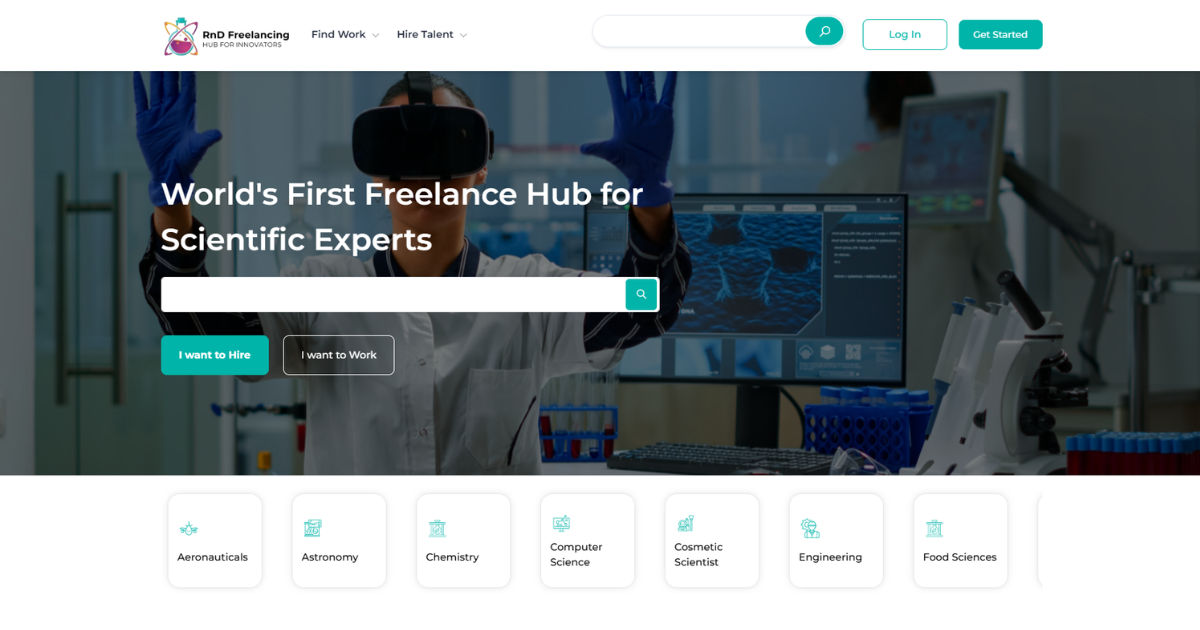
Businesses in every industry hire freelancers because they offer specialized skills without the long-term commitment of full-time employees. Whether a company needs graphic design, content writing, programming, digital marketing, customer support, or video editing, freelancers provide reliable solutions for short-term and long-term projects.
This guide explains why companies hire freelancers, how freelancing benefits businesses, the challenges involved, and how organizations can successfully work with freelance professionals.
Freelancing in the Modern Economy
Freelancing refers to independent professionals offering services to clients without becoming permanent employees. Freelancers usually work remotely and manage multiple clients at the same time.
Companies hire freelancers for project-based work, temporary support, or specialized expertise. The rise of remote work and digital communication tools has made freelancing easier and more common than ever before.
Today, businesses can hire freelancers from anywhere in the world. This global talent access has transformed the traditional workplace model.
The Growing Popularity of Freelancing
The freelance economy has expanded rapidly over the last decade. Technology, internet accessibility, and changing work preferences have contributed to this growth.
Many companies hire freelancers because modern businesses need flexibility. Instead of maintaining large in-house teams, companies now prefer scalable workforces.
Freelancers are commonly hired for:
- Writing and content creation
- Web development
- Graphic design
- Social media management
- SEO services
- App development
- Video production
- Administrative support
- Translation services
- Consulting
This growing trend shows that businesses increasingly trust freelance professionals.
Why Companies Hire Freelancers
Cost Savings
One major reason companies hire freelancers is cost reduction. Hiring full-time employees involves several expenses beyond salaries.
Businesses must often pay for:
- Health insurance
- Office space
- Equipment
- Paid vacations
- Employee benefits
- Training programs
- Taxes
Freelancers usually work independently and use their own equipment. Companies only pay for completed work or agreed project fees.
This allows businesses to manage budgets more efficiently.
Access to Specialized Skills
Many companies hire freelancers because they need expert skills for specific projects. Full-time employees may not always possess every required skill.
For example, a business may need:
- A logo designer for branding
- An SEO expert for website ranking
- A video editor for marketing campaigns
- A mobile app developer for product launches
Instead of training existing staff, businesses can hire freelancers who already have expertise.
This saves time and improves work quality.
Flexibility and Scalability
Business needs often change quickly. During busy seasons, companies may require additional support. During slower periods, workload decreases.
Companies hire freelancers because freelancers provide flexibility.
Organizations can:
- Increase workforce temporarily
- Reduce staffing costs during slow periods
- Hire project-based workers
- Avoid long-term employment commitments
This flexibility helps businesses stay competitive in changing markets.
Faster Hiring Process
Traditional hiring can take weeks or even months. Companies must advertise jobs, review resumes, conduct interviews, and provide onboarding.
When businesses hire freelancers, the process is usually much faster.
Freelance platforms allow companies to:
- View portfolios instantly
- Compare freelancers quickly
- Read client reviews
- Start projects immediately
This speed helps businesses meet deadlines more effectively.
Global Talent Access
Another reason companies hire freelancers is access to worldwide talent. Businesses are no longer limited to local employees.
A company in one country can easily work with freelancers from another country. This global access helps businesses find highly skilled professionals at competitive rates.
Hiring globally also introduces diverse ideas and creative perspectives.
Increased Productivity
Freelancers often focus on specific tasks and deadlines. Since they are usually paid per project or milestone, they are motivated to complete work efficiently.
Many companies hire freelancers because they want faster results and focused productivity.
Freelancers are generally experienced in self-management and remote collaboration. This allows businesses to complete projects without constant supervision.
Reduced Training Requirements
Full-time employees may need weeks or months of training. Freelancers already possess the skills companies need.
When businesses hire freelancers, they can start projects immediately with minimal instruction.
This helps companies save time and resources.
Industries That Commonly Hire Freelancers
Technology Industry
Tech companies frequently hire freelancers for:
- Software development
- Website creation
- Cybersecurity
- App development
- Technical support
Technology projects often require specialized expertise that freelancers provide.
Marketing and Advertising
Marketing agencies regularly hire freelancers for creative and digital services.
Common freelance marketing roles include:
- Content writers
- SEO specialists
- Social media managers
- Graphic designers
- Video creators
Freelancers help agencies handle multiple client projects simultaneously.
Publishing and Media
Publishing companies hire freelancers for writing, editing, proofreading, and content creation.
Media businesses also hire freelancers for photography, journalism, and video production.
Healthcare
Healthcare organizations sometimes hire freelancers for:
- Medical transcription
- Data analysis
- Virtual assistance
- Healthcare consulting
Freelancers help reduce administrative pressure in healthcare systems.
Education
Educational institutions hire freelancers to create online courses, educational materials, and tutoring services.
The rise of online learning has increased freelance opportunities in education.
Benefits of Hiring Freelancers for Small Businesses
Affordable Solutions
Small businesses often operate with limited budgets. Hiring permanent staff may not always be possible.
Small companies hire freelancers because they provide affordable expertise without long-term financial obligations.
Competitive Advantage
Freelancers help small businesses compete with larger companies.
Access to skilled professionals allows small businesses to improve marketing, branding, technology, and customer experience.
Faster Business Growth
When businesses hire freelancers, they can scale operations quickly.
Freelancers help startups launch products faster and respond to market opportunities more effectively.
Benefits of Hiring Freelancers for Large Corporations
Project-Based Expertise
Large corporations hire freelancers for specialized projects that internal teams cannot handle alone.
Examples include:
- International marketing campaigns
- Software upgrades
- Business consulting
- Product launches
Workforce Flexibility
Big companies often experience changing staffing needs.
Freelancers provide temporary support without increasing permanent payroll expenses.
Innovation and Fresh Ideas
External freelancers bring different perspectives and creative solutions.
Companies hire freelancers to gain innovative thinking that may not exist internally.
Remote Work and the Freelance Revolution
The growth of remote work has made freelancing more popular.
Digital communication tools allow businesses to collaborate with freelancers easily through:
- Video calls
- Messaging apps
- Project management software
- Cloud storage systems
Many companies hire freelancers because remote work reduces office costs while maintaining productivity.
The COVID-19 pandemic also accelerated remote freelance adoption worldwide.
How Freelancers Improve Business Efficiency
Focus on Core Business Activities
Companies hire freelancers so internal employees can focus on essential business operations.
For example:
- Business owners focus on strategy
- Freelancers handle marketing
- Internal staff manage customer relationships
This division improves efficiency.
Faster Project Completion
Freelancers often specialize in specific fields. Their expertise helps projects move faster.
Businesses hire freelancers when deadlines are tight or workloads increase suddenly.
Lower Administrative Burden
Freelancers usually manage their own taxes, insurance, and equipment.
This reduces administrative responsibilities for businesses.
Common Challenges When Companies Hire Freelancers
Communication Issues
Remote work can sometimes create communication difficulties.
Different time zones and language barriers may affect collaboration.
Companies should establish clear communication systems when they hire freelancers.
Quality Control
Not all freelancers deliver the same quality.
Businesses must carefully review portfolios, testimonials, and experience before hiring.
Security Concerns
Some projects involve confidential information.
Companies hire freelancers carefully when sensitive business data is involved.
Using contracts and confidentiality agreements helps protect company information.
Reliability Risks
Freelancers work independently and may manage multiple clients.
Businesses should hire freelancers with strong reputations and proven reliability.
How Companies Successfully Hire Freelancers
Define Project Goals Clearly
Before businesses hire freelancers, they should clearly define:
- Project scope
- Deadlines
- Budget
- Expectations
Clear instructions reduce misunderstandings.
Review Portfolios Carefully
Companies should examine previous work samples before hiring freelancers.
Strong portfolios demonstrate skill and experience.
Conduct Interviews
Even for freelance work, interviews help businesses evaluate communication skills and professionalism.
Start with Small Projects
Many companies hire freelancers initially for small tasks.
This allows businesses to evaluate quality before larger commitments.
Use Contracts
Contracts protect both businesses and freelancers.
Important contract details include:
- Payment terms
- Deadlines
- Ownership rights
- Confidentiality agreements
Freelance Platforms Companies Use
Many companies hire freelancers through online platforms.
Popular freelance marketplaces include:
- Upwork
- Fiverr
- Freelancer
- Toptal
- PeoplePerHour
These platforms help businesses find skilled professionals quickly.
Why Startups Prefer Freelancers
Budget-Friendly Growth
Startups often have limited financial resources.
Hiring freelancers allows startups to access professional skills without large payroll costs.
Faster Product Launches
Startups hire freelancers to accelerate product development and marketing campaigns.
Freelancers provide immediate support during critical growth stages.
Reduced Hiring Risks
Permanent hiring involves financial risk.
Freelancers offer startups greater flexibility during uncertain business periods.
The Role of Freelancers in Digital Transformation
Businesses undergoing digital transformation often hire freelancers for technical expertise.
Freelancers help companies with:
- Website redesign
- Cloud migration
- Digital marketing
- E-commerce development
- Automation systems
Digital transformation projects frequently require temporary specialists.
Why Remote Freelancers Are in High Demand
Remote freelancers allow businesses to operate globally without opening new offices.
Companies hire freelancers remotely because they can:
- Work across time zones
- Provide 24-hour productivity
- Reduce operational expenses
Remote work has permanently changed hiring strategies.
Financial Advantages When Companies Hire Freelancers
Lower Payroll Expenses
Freelancers are not permanent employees.
Businesses avoid many long-term payroll costs.
Better Budget Control
Companies hire freelancers on fixed-price or hourly contracts.
This helps businesses control spending more effectively.
No Long-Term Commitments
Freelance agreements usually end after project completion.
This flexibility reduces financial pressure during uncertain economic conditions.
How Freelancers Support Innovation
Freelancers often work with multiple companies and industries.
This broad experience allows them to introduce fresh strategies and innovative ideas.
Businesses hire freelancers because external experts can solve problems creatively.
Freelancers and Business Adaptability
Modern markets change rapidly.
Companies must adapt quickly to customer demands, technology changes, and economic conditions.
Businesses hire freelancers because flexible workforces respond faster to change.
Freelancers help companies remain agile and competitive.
The Future of Freelancing
The freelance economy is expected to continue growing.
Several factors support this trend:
- Increased remote work
- Digital business expansion
- Global workforce access
- Flexible employment preferences
- Technological advancement
More companies will likely hire freelancers in the future as business models evolve.
Tips for Businesses That Want to Hire Freelancers
Build Strong Relationships
Long-term freelancer relationships improve trust and productivity.
Many companies repeatedly hire freelancers they trust.
Communicate Clearly
Clear expectations reduce confusion and improve project outcomes.
Pay Fairly
Competitive payment attracts talented freelancers.
Respect Professional Expertise
Freelancers are skilled professionals.
Businesses should value their experience and input.
How Freelancers Benefit the Global Economy
Freelancing creates economic opportunities worldwide.
Companies hire freelancers from different countries, helping talented individuals access global markets.
This global collaboration increases innovation, employment, and economic growth.
Misconceptions About Freelancers
Freelancers Are Not Always Temporary
Some freelancers work with the same companies for years.
Freelancers Can Be Highly Professional
Many businesses hire freelancers with advanced degrees and extensive industry experience.
Freelancers Are Not Limited to Small Tasks
Freelancers often handle major projects, leadership roles, and strategic consulting.
Why Businesses Continue to Hire Freelancers
The modern business environment values speed, flexibility, and efficiency.
Companies hire freelancers because they provide:
- Specialized expertise
- Lower costs
- Faster project delivery
- Workforce flexibility
- Global talent access
Freelancers help businesses remain adaptable and competitive in rapidly changing industries.
Conclusion
The decision to hire freelancers has become a major part of modern business strategy. Companies of all sizes now recognize the value freelancers bring to projects, innovation, and operational efficiency. Businesses hire freelancers to reduce costs, gain specialized expertise, improve productivity, and adapt quickly to market demands.
Freelancers provide flexible solutions that traditional employment models often cannot match. From startups seeking affordable growth to large corporations managing global projects, the freelance workforce plays a critical role in today’s economy.
As technology continues to evolve and remote work becomes more common, more companies will likely hire freelancers to remain competitive. Organizations that understand how to work effectively with freelancers can improve efficiency, complete projects faster, and access talent from around the world.
The freelance economy is no longer a temporary trend. It is a permanent shift in how businesses operate and grow in the digital age.