Handcrafted brooches are small accessories that can make a noticeable difference to an outfit. Unlike ordinary jewelry, a brooch can be placed on clothing, scarves, bags, hats, and other accessories. Its decorative design can add personality, elegance, color, or a vintage touch without requiring a complete change of wardrobe.
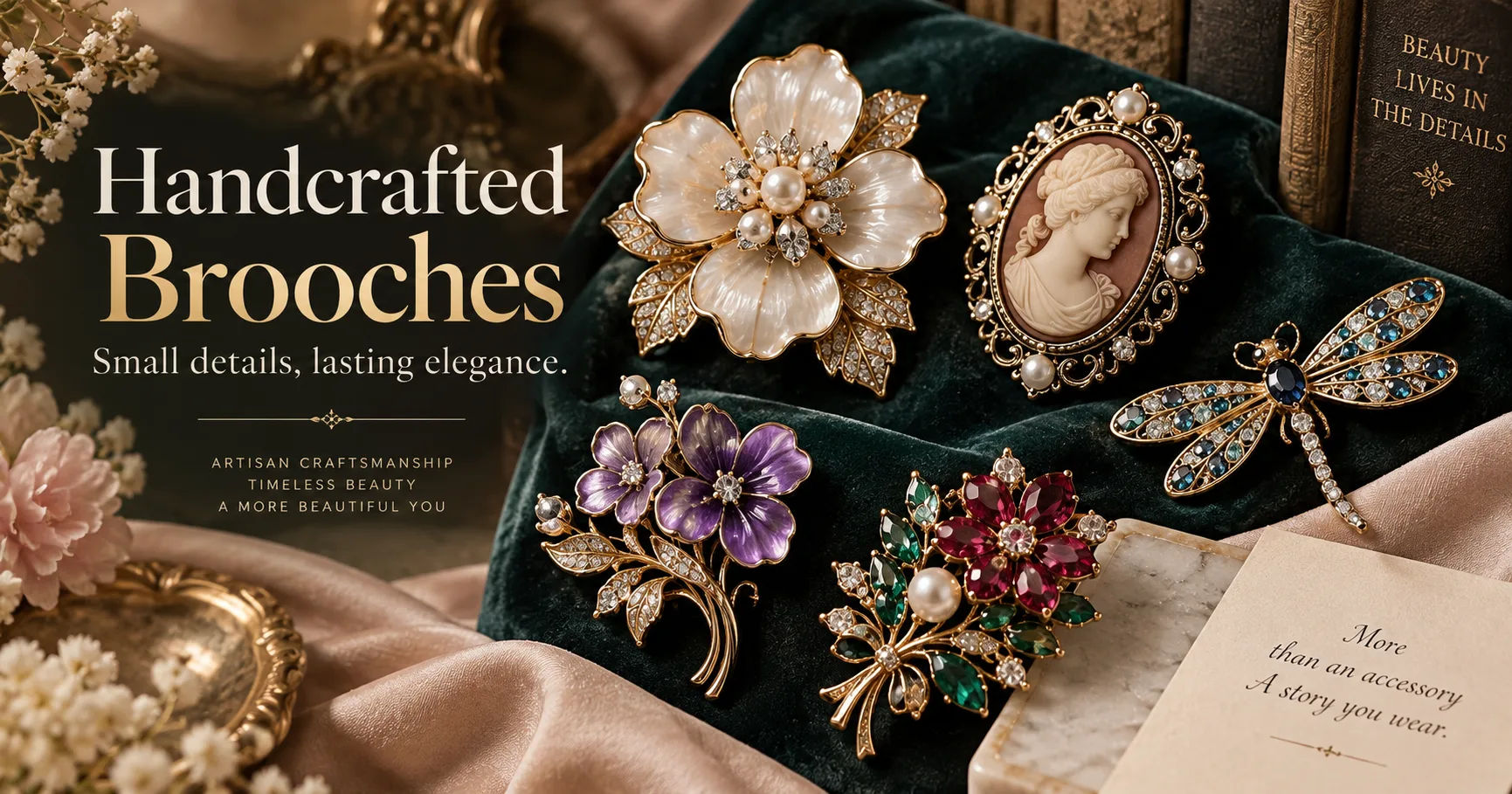
Knowing where to wear a brooch is important because placement can affect the overall appearance of an outfit. A carefully positioned piece can highlight a neckline, add structure to a jacket, or turn a simple scarf into a more polished accessory. The right location also depends on the brooch's size, shape, weight, and design.
Whether you are dressing for a formal event, a family gathering, a professional setting, or a casual day out, there are many creative ways to wear a brooch. This guide explains the most suitable placements and how to style them comfortably.
Why Brooch Placement Matters
A Handcrafted brooches brooch is more than a decorative object. Where you place it determines what part of your outfit receives attention.
For example, placing a brooch near the shoulder can draw attention upward and frame the face. Wearing one near the center of a jacket can create a strong focal point. A brooch placed on a scarf can make the fabric look more structured.
Placement can also influence balance. A large brooch may look appropriate on a plain blazer but feel overwhelming on a heavily decorated dress. Similarly, a delicate piece may disappear if it is attached to a garment with a busy pattern.
The goal is to find a location where the brooch complements the clothing rather than competing with it.
The Classic Placement: On a Jacket Lapel
One of the most traditional places to wear a brooch is on a jacket lapel. This placement works particularly well for blazers, tailored jackets, coats, and structured outerwear.
A brooch on the lapel creates an organized and sophisticated appearance. It can also make a simple jacket more distinctive without adding another layer of clothing.
For formal occasions, choose a refined design with a balanced shape. For everyday wear, colorful or artistic designs can bring more personality to a neutral blazer.
Which Side Should You Choose?
There is no universal rule requiring a brooch to be worn on one particular side. Traditionally, many people place brooches on the left side, but modern styling allows either side.
Consider the rest of your outfit when deciding. If your handbag, necklace, or other visual details are already concentrated on one side, placing the brooch on the opposite side can create balance.
Wearing a Brooch on a Coat
Coats provide an excellent surface for larger brooches because they are usually made from sturdy fabrics.
A brooch can be attached near the collar, lapel, or upper chest area. A simple wool coat, for instance, can look much more distinctive with a carefully selected decorative piece.
When wearing a brooch on thick outerwear, check that the fastening mechanism is strong enough to hold it securely. Heavy pieces should not be attached to very thin fabric because their weight may cause the material to sag.
Styling a Neutral Coat
Neutral coats in shades such as black, beige, gray, cream, or navy can work as a background for a more expressive brooch.
A colorful piece can add contrast, while a metallic design can create a more understated appearance. If the coat already has decorative buttons or prominent details, a simpler brooch may create a cleaner look.
Adding Detail to a Dress
A dress is another versatile place for a brooch. Depending on the design and fabric, you can place it near the neckline, shoulder, waist, or upper chest.
A small brooch near the neckline can function almost like a piece of jewelry. It can replace a necklace when you want the outfit to remain simple.
For an evening dress, a refined brooch can add an elegant accent. For a casual cotton or linen dress, a colorful handcrafted design can create a relaxed artistic effect.
Be Careful With Delicate Fabrics
Not every dress is suitable for a pin-style accessory. Silk, chiffon, satin, and very lightweight fabrics can be vulnerable to snagging or pulling.
Before attaching a brooch, consider the fabric's thickness and construction. A heavier piece is generally better suited to sturdy material.
If the dress is particularly delicate or valuable, it may be safer to use the brooch on a jacket, shawl, or bag instead.
Using Brooches on Scarves
Scarves offer one of the most practical ways to style a brooch. A brooch can help keep a scarf in place while also serving as a decorative accent.
You can attach it near the shoulder, at the side of the neck, or where two sections of fabric overlap.
This technique is especially useful when wearing a large scarf or shawl. Instead of constantly adjusting the fabric, the brooch can provide a secure point.
Creating a Draped Look
For an elegant appearance, drape the scarf naturally over your shoulders and place the brooch where the fabric crosses.
Avoid pulling the scarf too tightly around the pin. The fabric should remain comfortable and relaxed.
A decorative brooch with a noticeable shape can become the focal point of a plain scarf.
Wearing a Brooch on a Sweater
Sweaters can provide another excellent surface for brooches, particularly when they have a relatively simple design.
A brooch can be placed near the shoulder or upper chest. This works particularly well with plain knitwear because the accessory adds visual interest without requiring additional jewelry.
However, pay attention to the knitting. Very loose or delicate knits may stretch around a pin.
For chunky sweaters, choose a brooch that is large enough to remain visible but not so heavy that it pulls the knit downward.
Decorating a Hat
Brooches are not limited to clothing. Hats can also provide a creative place for them.
A brooch can be attached to the side of a felt hat, beret, fabric cap, or other suitable headwear. This can create a distinctive look, especially when the hat is a solid color.
The size of the accessory matters. A small hat usually works better with a smaller brooch, while a larger structured hat can accommodate a more substantial design.
Matching the Hat and Outfit
The brooch does not necessarily need to match the hat exactly.
Instead, look for a relationship between colors, textures, or shapes. For example, a metallic brooch can complement neutral clothing, while a colorful design can echo one shade already present in the outfit.
Adding a Brooch to a Handbag
A handbag can become an unexpected but stylish location for a brooch.
Attach the piece to a sturdy fabric or leather section where the pin can hold securely. Bags made from canvas, denim, felt, or thick textiles can be particularly suitable.
Using a brooch on a handbag also provides a way to personalize an everyday accessory.
Making a Plain Bag More Interesting
If you regularly carry a plain black, brown, or beige bag, a decorative brooch can introduce color and character.
You can also change the brooch according to the season or occasion. A floral design might suit spring and summer, while jewel-toned or metallic pieces may work well for evening events.
Be careful when attaching pins to leather or expensive bags because puncturing the material can leave permanent marks.
Wearing Brooches at the Waist
Another styling option is to use a brooch around the waist of a dress, cardigan, shawl, or other suitable garment.
A brooch can sometimes help gather excess fabric and create a more defined shape. This can be useful when wearing a loose outer layer.
However, the fabric must be strong enough to support the accessory. A heavy brooch can pull delicate clothing downward.
A smaller, lightweight design is usually more practical for this placement.
Brooches on Formal Wear
Formal clothing often benefits from carefully chosen accessories. A brooch can add sophistication without making an outfit feel overly complicated.
For a formal suit or blazer, the lapel remains a classic choice. On a formal dress, the shoulder or upper chest may be appropriate.
When the outfit already contains embroidery, sequins, beads, or other decoration, consider choosing a brooch with a simpler design.
The accessory should complement the formal clothing rather than make the outfit visually crowded.
Brooches for Professional Outfits
Brooches can also work well in professional environments.
A modest design on a blazer or cardigan can add individuality while maintaining a polished appearance. Simple geometric, floral, metallic, or understated designs are often easier to integrate into office clothing.
Avoid placing the accessory where it interferes with movement, buttons, pockets, or other functional parts of the garment.
A brooch should look intentional rather than distracting.
Casual Ways to Wear Brooches
There is no need to save a brooch for special occasions.
A denim jacket, cardigan, scarf, tote bag, or casual coat can provide an excellent setting for a creative accessory.
Casual styling gives you more freedom to experiment with unusual shapes, colors, and combinations.
For example, several small brooches can sometimes be grouped together on a denim jacket to create a personalized arrangement. Keep enough space between them so the overall design remains easy to see.
Choosing the Right Size
Size is one of the most important considerations when deciding where to wear a brooch.
Small pieces are suitable for delicate clothing, scarves, collars, and subtle styling. Medium-sized designs can work well on blazers, jackets, and coats.
Large brooches usually need a strong, stable surface. They can become the central feature of an outfit, so the surrounding clothing should ideally be relatively simple.
The size of the accessory should also relate to the overall scale of the outfit.
Considering Color and Pattern
Color can determine whether a brooch blends into an outfit or becomes a focal point.
A contrasting color can make the accessory stand out. A similar color can create a more coordinated and subtle effect.
If your clothing has a bold pattern, a plain or minimally decorated brooch may work better. With a simple outfit, a detailed brooch can add visual interest.
There is no requirement for every accessory to be an exact color match. Coordination is often more natural than perfect matching.
Safety and Fabric Care
Before attaching a brooch, examine the garment carefully.
Make sure the pin is clean and the clasp works properly. Avoid repeatedly piercing the same small area because this can weaken fabric over time.
For delicate garments, consider alternative placements on stronger accessories such as scarves, bags, or jackets.
After wearing the brooch, close the fastening securely so it does not fall off. If the piece is valuable or sentimental, check it occasionally while wearing it.
How to Create a Balanced Outfit
A well-styled brooch should have a clear relationship with the rest of the outfit.
If the brooch is large and detailed, you may want to keep other accessories simple. If the brooch is small and understated, you can combine it with additional jewelry if the overall look remains balanced.
Think about where the eye naturally travels when someone sees the outfit. A brooch can guide attention toward the face, shoulder, neckline, or upper body.
The best placement is usually the one that looks intentional and feels comfortable.
Conclusion
There are many places where handcrafted brooches can be worn, from traditional jacket lapels to scarves, dresses, sweaters, coats, hats, and handbags. Their versatility makes them useful accessories for both formal and casual wardrobes.
The most important factors are the material, size, weight, design, and purpose of the garment. A sturdy jacket can support a larger piece, while delicate fabric may require a lighter option or a different placement.
Brooches can also be used to express personal style. A simple outfit can become more distinctive with one carefully selected accessory, while a detailed outfit may benefit from a subtle design.
Ultimately, the best placement is where the brooch complements the clothing, remains secure, and feels comfortable to wear. Experimenting with different positions can help you discover combinations that suit different outfits and occasions.