If you work with hardwood, one question often comes up: Does a Board Foot Calculator work for maple wood? The simple answer is yes.
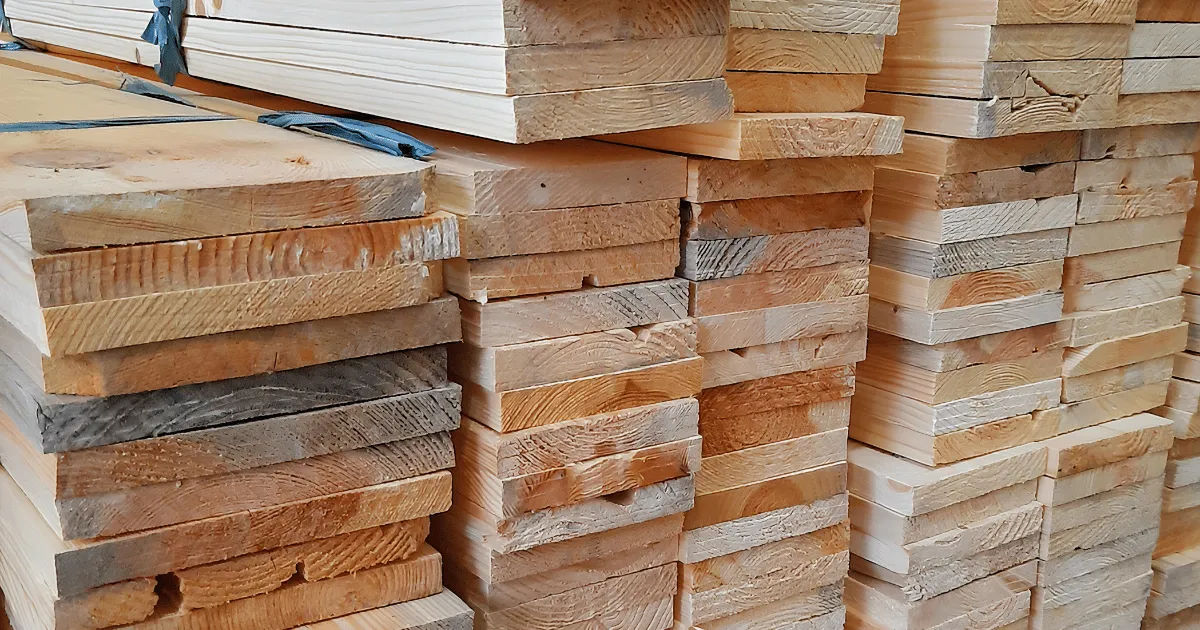
A Board Foot Calculator is designed to measure lumber volume regardless of the wood species, including maple. Whether you are building furniture, cabinets, flooring, or decorative projects, using a Board Foot Calculator helps you estimate the amount of maple lumber you need, reduce waste, and manage costs more effectively.
Maple is one of the most popular hardwoods because of its strength, beautiful grain, and long-lasting durability. However, buying maple lumber without understanding board feet can lead to ordering too much or too little material. This guide explains how a Board Foot Calculator works with maple wood, why it is accurate, and how you can use it for better woodworking decisions.
Board Feet
Before learning how maple fits into the calculation, it is important to understand what a board foot actually means.
A board foot is a unit of measurement used to calculate the volume of lumber. One board foot equals:
- 12 inches long
- 12 inches wide
- 1 inch thick
This measurement focuses on volume instead of weight. Since different wood species have different densities, lumber is typically sold by board feet rather than pounds.
Woodworkers, contractors, cabinet makers, furniture builders, and lumber suppliers all rely on board feet to estimate material requirements accurately.
What Is a Board Foot Calculator?
A Board Foot Calculator is a tool that calculates the total board feet in a piece of lumber using three measurements:
- Thickness
- Width
- Length
The standard formula is:
Board Feet = (Thickness × Width × Length) ÷ 144
The measurements are generally entered in inches for thickness and width, while length is measured in inches or converted appropriately.
Instead of performing calculations manually, a Board Foot Calculator provides quick and accurate results within seconds.
Does Maple Wood Use the Same Formula?
Yes.
Maple wood follows the exact same board foot formula as oak, walnut, cherry, ash, pine, cedar, and nearly every other lumber species.
The calculator measures volume only. It does not measure:
- Weight
- Hardness
- Moisture content
- Density
- Grain pattern
Whether the board is hard maple or soft maple, the volume remains the determining factor.
Why Maple Is Commonly Measured in Board Feet
Maple lumber is widely sold by board feet because every board can have different dimensions.
Unlike construction lumber that often comes in standard sizes, hardwood lumber varies in:
- Thickness
- Width
- Length
Selling maple by board feet allows buyers to pay only for the volume they purchase.
This system benefits both lumber suppliers and customers.
Types of Maple Wood
Although the calculator works the same way for every maple species, understanding the differences helps when selecting lumber.
Hard Maple
Hard maple is also called sugar maple.
It is known for:
- Excellent durability
- High density
- Smooth texture
- Light color
- Strong resistance to wear
Hard maple is commonly used for:
- Hardwood flooring
- Kitchen cabinets
- Cutting boards
- Workbenches
- Furniture
Soft Maple
Soft maple includes several maple species that are less dense than hard maple.
It is often chosen for:
- Interior furniture
- Decorative molding
- Doors
- Musical instruments
- Shelving
Both types use the same board foot calculations.
How to Measure Maple Lumber
Accurate measurements produce accurate calculations.
Start by measuring the thickness.
Hardwood thickness is often sold in quarters, including:
- 4/4
- 5/4
- 6/4
- 8/4
- 12/4
Next, measure the board width.
Use the widest consistent point across the board.
Finally, measure the total length.
Record measurements carefully before entering them into a Board Foot Calculator.
Example Calculation
Suppose you have a maple board with the following dimensions:
Thickness: 2 inches
Width: 8 inches
Length: 96 inches
Calculation:
(2 × 8 × 96) ÷ 144
= 10.67 board feet
A Board Foot Calculator performs this instantly without requiring manual math.
Why Accuracy Matters
Maple is considered a premium hardwood.
Even small mistakes in estimating lumber can increase project costs.
Accurate calculations help you:
- Stay within budget
- Prevent material shortages
- Reduce waste
- Improve planning
- Purchase the correct amount
Professional woodworkers rarely estimate without calculating board feet first.
Benefits of Using a Board Foot Calculator for Maple
Faster Planning
Manual calculations can consume valuable time.
A calculator delivers immediate results, allowing you to focus on your project instead of arithmetic.
Better Budgeting
Maple lumber often costs more than softwoods.
Knowing the exact board feet lets you estimate total material costs more accurately.
Reduced Waste
Buying excessive lumber increases expenses.
Buying too little delays production.
A calculator helps balance both situations.
Improved Inventory Management
Businesses storing maple lumber can easily determine available stock.
This simplifies inventory tracking and future purchasing decisions.
Easier Project Estimation
Whether building one chair or an entire kitchen, knowing total board feet improves planning.
Common Maple Projects That Require Board Foot Calculations
Many woodworking projects depend on accurate lumber measurements.
Examples include:
Kitchen Cabinets
Cabinet construction requires multiple boards of varying sizes.
Board foot calculations ensure enough material is available.
Dining Tables
Large maple slabs require accurate volume calculations before purchase.
Hardwood Flooring
Flooring installers estimate board feet to determine material needs.
Shelves
Even simple shelving projects benefit from proper lumber calculations.
Cutting Boards
Premium maple cutting boards require careful lumber planning to minimize waste.
Furniture
Beds, dressers, desks, chairs, and bookcases all require board foot estimates.
Does Moisture Affect Board Feet?
Moisture changes the weight of maple lumber.
However, it does not significantly change the board foot calculation because the formula measures dimensions rather than weight.
Freshly cut green lumber may shrink slightly as it dries.
Most lumber is measured before significant changes occur.
Does Rough Maple Lumber Use Board Feet?
Yes.
Rough-cut maple is almost always sold by board feet.
After milling and surfacing, the finished dimensions become slightly smaller.
Many woodworkers purchase rough lumber because it is more economical.
A Board Foot Calculator remains useful before and after milling.
Understanding Hardwood Thickness
Hardwood thickness labels can confuse beginners.
Common hardwood sizes include:
- 4/4 = about 1 inch rough
- 5/4 = about 1.25 inches
- 6/4 = about 1.5 inches
- 8/4 = about 2 inches
Knowing these measurements helps improve calculation accuracy.
Mistakes to Avoid
Many beginners make similar errors.
Measuring Finished Instead of Rough Dimensions
Always verify which dimensions the supplier uses.
Forgetting Unit Conversions
Ensure all measurements use consistent units before calculating.
Ignoring Extra Material
Projects often require additional lumber for trimming, defects, or mistakes.
Buying an extra 10–20% is common practice.
Estimating Instead of Measuring
Guessing dimensions almost always leads to incorrect results.
Measure carefully every time.
Can Beginners Use a Board Foot Calculator?
Absolutely.
Most calculators are simple enough for beginners.
You only need three measurements:
- Thickness
- Width
- Length
The calculator handles the math automatically.
Even students learning woodworking can use one confidently.
Why Professionals Depend on Board Foot Calculators
Professional cabinet makers and furniture builders often purchase hundreds of board feet at once.
Even a small calculation error can become expensive.
Using a Board Foot Calculator allows professionals to:
- Prepare accurate quotes
- Control project costs
- Plan production schedules
- Estimate material requirements
- Reduce waste
For commercial woodworking, accurate calculations improve profitability.
Maple Pricing and Board Feet
Maple lumber is typically priced per board foot.
For example:
If maple costs $9 per board foot and your project requires 40 board feet:
40 × $9 = $360
Knowing total board feet makes budgeting much easier.
Comparing Maple to Other Hardwoods
From a board foot perspective, maple is measured exactly like:
- Oak
- Walnut
- Cherry
- Birch
- Hickory
- Ash
- Beech
The only major difference is price and physical characteristics.
The calculation method never changes.
Digital Board Foot Calculators
Modern calculators offer several advantages over manual calculations.
Features often include:
- Instant results
- Multiple measurement units
- Cost estimation
- Quantity calculations
- Mobile compatibility
Many woodworkers use digital tools while shopping at lumber yards.
Tips for Buying Maple Lumber
Follow these suggestions before making a purchase:
- Measure every board carefully.
- Check for defects.
- Understand rough versus finished sizes.
- Buy slightly more than required.
- Confirm pricing per board foot.
- Compare multiple suppliers.
- Inspect moisture levels if necessary.
These simple habits improve project quality and reduce unexpected expenses.
Frequently Asked Questions
Does a Board Foot Calculator work for hard maple?
Yes. Hard maple uses the same board foot formula as every other hardwood.
Does soft maple require different calculations?
No. The species does not change the calculation method.
Is board foot measurement based on weight?
No. It measures lumber volume rather than weight.
Can I calculate multiple maple boards together?
Yes. Calculate each board individually and add the totals, or use a calculator that supports multiple entries.
Why is maple sold by board feet?
Selling by board feet provides a fair and consistent way to price hardwood lumber of different dimensions.
Conclusion
A Board Foot Calculator works perfectly for maple wood because it measures lumber volume rather than species-specific characteristics. Whether you are working with hard maple or soft maple, the same board foot formula applies. By entering accurate thickness, width, and length measurements, you can estimate material requirements, calculate project costs, and avoid unnecessary waste.
For beginners, using a Board Foot Calculator removes the complexity of manual calculations and builds confidence when purchasing hardwood lumber. For professionals, it remains an essential tool for inventory management, estimating costs, and maintaining efficient workflows. Since maple is commonly sold by board feet, understanding this calculation method can save both time and money while ensuring your woodworking projects stay on track. Whether you are crafting fine furniture, installing hardwood flooring, building cabinets, or creating custom cutting boards, accurate board foot calculations help you purchase the right amount of maple lumber and complete every project with greater precision and efficiency.