Meal planning is an effective way to maintain a balanced diet, save time, control food expenses, and reduce unnecessary food waste. Choosing ingredients that are nutritious, affordable, and easy to store can make everyday cooking much simpler. Milk powder is one such ingredient because it offers flexibility and can be included in different meals without requiring fresh milk every time. Understanding its nutritional value and practical uses can help families make better food choices. Products such as malrich milk powder for weight gain may also attract attention from people looking to increase their daily calorie and nutrient intake as part of a carefully planned diet.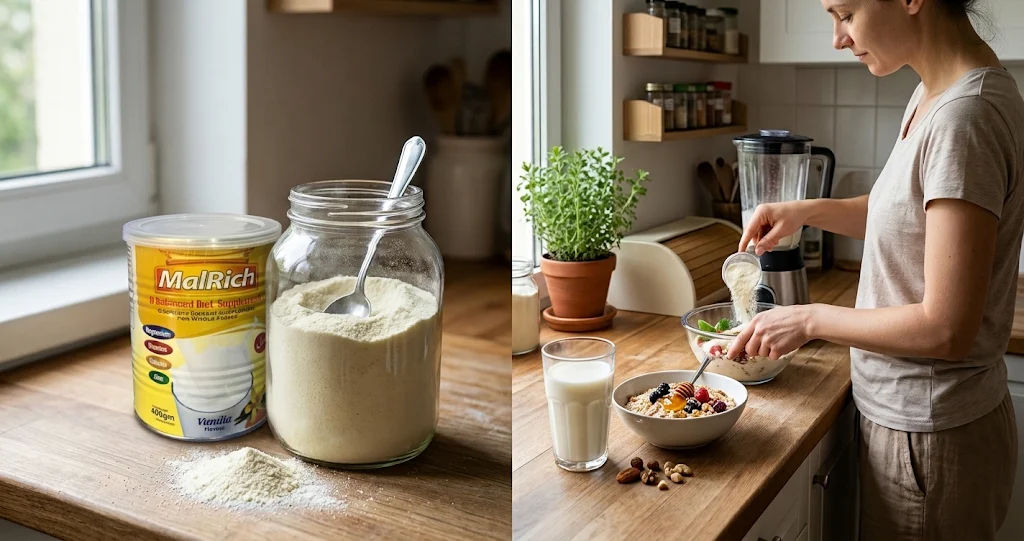
Milk powder is made by removing most of the water from liquid milk. This process creates a dry product that can be stored for longer when properly packaged. It can be mixed with water to prepare milk or added directly to recipes such as porridge, smoothies, soups, sauces, and baked foods. Its versatility makes it useful for households with different cooking routines and nutritional needs.
Meal planning is not only about deciding what to eat. It also involves selecting suitable ingredients, organizing shopping lists, managing portions, and making sure meals provide a reasonable balance of nutrients. Milk powder can support these goals when used appropriately. This comprehensive guide explains how milk powder benefits can improve meal planning and how to include it in everyday meals.
Milk Powder and Its Nutritional Value
Milk powder is a concentrated dairy product produced through a drying process. Most of its moisture is removed, while many of the nutrients naturally found in milk remain.
Depending on the product, milk powder may contain protein, carbohydrates, calcium, phosphorus, potassium, and certain vitamins. Fortified varieties may also provide additional vitamins, such as vitamin A and vitamin D.
Its exact nutritional composition depends on the manufacturing process and whether the product is made from whole milk or skimmed milk.
Whole Milk Powder
Whole milk powder contains milk fat along with protein and carbohydrates. It provides more calories than skimmed milk powder because fat contributes additional energy.
It can be useful in recipes where a creamy texture and richer taste are desirable.
People who want to increase their calorie intake may consider whole milk powder as one ingredient in a balanced eating plan. However, the amount used should depend on individual nutritional requirements.
Skimmed Milk Powder
Skimmed milk powder contains considerably less fat than whole milk powder. It still provides protein and minerals, making it suitable for people who want to increase the dairy content of their meals without adding as much fat.
It can be mixed into oatmeal, soups, sauces, and other recipes.
Both varieties can support meal planning. The best option depends on personal preferences, dietary requirements, and the nutritional goals of the household.
How Milk Powder Benefits Support Meal Planning
Meal planning becomes easier when ingredients can serve several purposes. Milk powder offers this flexibility because it can be used in drinks, breakfast dishes, snacks, and cooked meals.
Instead of purchasing several different dairy ingredients, families can use one suitable milk powder product in multiple recipes.
1. Makes Everyday Meal Preparation Convenient
Convenience is one of the most noticeable benefits of milk powder.
Fresh milk needs refrigeration after opening and generally has a limited storage period. Unopened milk powder, when stored according to the manufacturer's instructions, can remain usable for much longer.
This makes it a practical ingredient for people with busy schedules.
For example, someone preparing breakfast can mix milk powder with water while making oatmeal. The same product can later be used in a smoothie or homemade sauce.
Having a reliable dairy ingredient available can reduce last-minute shopping trips.
2. Helps Organize Weekly Meal Plans
Planning meals for an entire week can become challenging when ingredients are difficult to manage.
Milk powder provides an easy way to include dairy in several meals without buying fresh milk for every recipe.
A weekly meal plan might include:
-
Monday: Milk-based oatmeal for breakfast.
-
Tuesday: Homemade banana smoothie.
-
Wednesday: Creamy vegetable soup.
-
Thursday: Milk-based pancakes.
-
Friday: Homemade yogurt-style recipes using suitable ingredients and methods.
-
Saturday: Fruit and milk powder smoothie.
-
Sunday: Homemade milk pudding.
These options show how one ingredient can contribute to different meals.
However, milk powder should complement other food groups rather than replace vegetables, fruits, whole grains, and protein-rich foods.
3. Supports Better Food Storage
Food storage is an important part of successful meal planning.
Fresh dairy products can spoil if they are not stored at the correct temperature. Milk powder offers an alternative because its low moisture content helps limit microbial growth when the packaging remains dry and properly sealed.
It is particularly useful for households that do not use large quantities of fresh milk every day.
Once the package is opened, it should be kept in an airtight container in a cool, dry place. Always follow the manufacturer's storage instructions.
Prepared milk should be refrigerated promptly and treated like other perishable dairy products.
4. Reduces Unnecessary Food Waste
Food waste often happens when households purchase more ingredients than they can use before their expiration dates.
Milk powder can help reduce this problem because people can prepare only the amount of milk needed for a particular recipe.
For example, if a pancake recipe requires one cup of milk, the household can prepare that quantity instead of opening a larger container of fresh milk.
This approach supports portion control and helps make grocery shopping more efficient.
Using Milk Powder for Different Meal Types
One of the biggest advantages of milk powder is its ability to fit into different meal categories.
It can improve the texture, taste, and nutritional composition of many homemade recipes.
Breakfast Planning
Breakfast provides an opportunity to include protein, carbohydrates, and other essential nutrients.
Milk powder can be added to several breakfast foods.
Oatmeal: Mix milk powder into cooked oatmeal to create a creamier consistency and increase its protein and calcium content.
Pancakes: Add milk powder to pancake batter to provide a richer dairy flavor.
Smoothies: Blend milk powder with bananas, dates, and other fruits for a filling breakfast drink.
Homemade cereal: Mix a suitable quantity into warm cereal for additional dairy nutrients.
These meals are easy to prepare and can be adjusted according to individual preferences.
Lunch Planning
Milk powder can also be useful in lunch recipes.
It can be added to creamy vegetable soups, homemade sauces, and selected pasta dishes.
For example, a vegetable soup containing carrots, potatoes, onions, and spinach can be enriched with reconstituted milk.
This adds a creamy texture while providing nutrients naturally present in dairy products.
Milk powder can also help create homemade white sauces without requiring a separate purchase of fresh cream.
The amount should be adjusted according to the recipe to avoid making the dish unnecessarily heavy.
Dinner Planning
Dinner is another opportunity to include milk powder in balanced meals.
It can be used in:
-
Creamy vegetable pasta.
-
Homemade mashed potatoes.
-
Mild white sauces.
-
Milk-based rice dishes.
-
Baked vegetable casseroles.
-
Selected homemade soups.
For a balanced dinner, combine these recipes with vegetables and an appropriate source of protein, such as chicken, fish, lentils, or beans.
Milk powder improves certain recipe qualities, but it should not become the main ingredient in every meal.
Can Milk Powder Support Weight Management and Weight Gain?
Weight management depends on overall calorie intake, physical activity, individual metabolism, and nutritional requirements.
Milk powder can contribute to different dietary goals depending on its variety and serving size.
Whole milk powder contains more calories because it retains milk fat. Skimmed milk powder provides protein and minerals with less fat.
People interested in malrich milk powder for weight gain should understand that gaining weight requires consistently consuming more calories than the body uses.
Simply drinking milk powder does not automatically cause weight gain. The total eating pattern matters more than any single ingredient.
Adding Milk Powder to Calorie-Rich Meals
People who need additional calories can include milk powder in nutritious recipes.
For example, a banana smoothie made with milk, oats, and peanut butter can provide energy, protein, carbohydrates, and fats.
Milk powder can also be added to porridge or homemade milkshakes.
These combinations may help people increase their calorie intake without relying entirely on processed snacks.
However, individuals should consider portion sizes and their personal health needs.
Maintaining a Balanced Diet
Weight gain should not mean eating excessive amounts of sugar or high-fat foods.
A balanced approach includes:
-
Protein-rich foods.
-
Whole grains.
-
Fruits and vegetables.
-
Healthy fats.
-
Dairy products where suitable.
-
Adequate hydration.
People with unexplained weight loss or specific medical conditions should consult a healthcare professional before making major dietary changes.
Creating a Practical Weekly Meal Plan With Milk Powder
A meal plan works best when it is simple, affordable, and realistic.
Milk powder can help households prepare several meals using a limited number of ingredients.
Here is an example of how it can fit into a weekly routine.
|
Day |
Breakfast |
Lunch |
Dinner |
|---|---|---|---|
|
Monday |
Milk oatmeal |
Chicken and rice |
Vegetable soup |
|
Tuesday |
Banana smoothie |
Vegetable sandwich |
Homemade pasta |
|
Wednesday |
Milk pancakes |
Lentil curry |
Baked potatoes |
|
Thursday |
Fruit and cereal |
Chicken salad |
Creamy vegetable rice |
|
Friday |
Milk porridge |
Homemade wraps |
Vegetable casserole |
|
Saturday |
Banana milkshake |
Rice and beans |
Homemade chicken soup |
|
Sunday |
Pancakes |
Vegetable pulao |
Baked pasta |
Milk powder can be used in selected breakfast dishes, smoothies, sauces, and soups throughout the week.
It is not necessary to add it to every meal.
The goal is to create variety while maintaining an appropriate balance of nutrients.
Prepare Ingredients in Advance
Preparing ingredients ahead of time can save considerable effort.
For example, families can measure dry ingredients for pancakes, organize oatmeal portions, and prepare weekly shopping lists.
Milk powder can remain in its original packaging or an appropriate airtight container until needed.
Prepared meals containing milk should be refrigerated safely rather than left at room temperature for extended periods.
How to Choose the Right Milk Powder for Meal Planning
Choosing the right product is important because different varieties have different nutritional properties.
Before purchasing milk powder, consider the following factors.
Check the Ingredient List
Read the product label carefully.
Look for information about milk solids, added sugar, vegetable fats, flavorings, and other ingredients.
A straightforward ingredient list can make it easier to understand what you are purchasing.
Also, check whether the product is whole milk powder, skimmed milk powder, or a dairy-based beverage mixture.
These products are not necessarily nutritionally equivalent.
Compare Nutritional Information
The nutrition label helps consumers understand the amount of protein, fat, carbohydrates, calcium, and calories in each serving.
Comparing products can help households select an option that matches their meal-planning goals.
People trying to increase calorie intake may prefer a whole milk variety, while those monitoring fat intake may consider skimmed alternatives.
The decision should be based on individual dietary needs.
Consider Packaging and Storage
Good packaging helps protect milk powder from moisture, air, and contamination.
Check the manufacturing date, expiration date, and packaging condition before buying.
Avoid products with damaged seals or signs of moisture exposure.
After opening, use a clean, completely dry spoon and close the package securely.
Consider Household Requirements
A large household may benefit from a larger package if the product will be used regularly.
Smaller packages may be more suitable for people who use milk powder occasionally.
Comparing package sizes and prices can help families control grocery expenses.
Important Nutritional Considerations
Although milk powder offers several practical benefits, it is important to use it responsibly.
It is a dairy product, so people with certain dietary restrictions may need alternatives.
Lactose Intolerance
Milk powder made from ordinary cow's milk generally contains lactose.
People with lactose intolerance may experience bloating, gas, or digestive discomfort after consuming it.
They should consider suitable lactose-free alternatives where available.
Milk Allergy
Milk allergy is different from lactose intolerance.
People with a milk protein allergy should avoid ordinary milk powder unless a qualified healthcare professional confirms that a specific product is safe.
Simply changing from whole milk powder to skimmed milk powder does not remove milk proteins.
Added Sugar and Calories
Some powdered dairy products contain added sugar or flavorings.
These ingredients can increase the calorie and sugar content.
Consumers should check the nutrition label instead of assuming that every milk powder product has the same nutritional value.
Safe Preparation
Always follow the preparation instructions printed on the package.
Use clean drinking water and appropriate utensils.
If preparing milk in advance, refrigerate it promptly and follow food-safety guidance.
Do not use milk powder that has an unusual smell, appearance, or signs of contamination.
Budget-Friendly Meal Planning With Milk Powder
Managing food expenses is an important part of household meal planning.
Milk powder can provide flexibility because it can be measured according to the quantity required for each recipe.
However, whether it is cheaper than fresh milk depends on the product price, serving size, preparation quantity, and local market conditions.
Compare Cost Per Prepared Serving
Instead of comparing package prices alone, calculate how much prepared milk each package provides.
For example, check the manufacturer's recommended powder-to-water ratio and estimate the cost of preparing one glass.
Then compare this with the price of an equivalent quantity of fresh milk.
This gives a more meaningful understanding of value.
Reduce Unnecessary Shopping
Keeping a suitable milk powder product in the pantry can reduce emergency shopping trips.
It can also help households prepare recipes when fresh milk is temporarily unavailable.
A shopping list based on planned meals makes it easier to purchase only the ingredients required.
Use Ingredients in Multiple Recipes
Buying ingredients that serve several purposes is a useful budgeting strategy.
Milk powder can be used in breakfast dishes, drinks, soups, sauces, and desserts.
This versatility makes it easier to organize meals without purchasing a separate dairy product for every recipe.
Conclusion
Milk powder can be a valuable ingredient for households that want to make meal planning easier, more flexible, and more organized. Its long storage potential, convenient preparation, and ability to fit into different recipes make it useful for everyday cooking.
From breakfast oatmeal and smoothies to creamy soups, sauces, and homemade desserts, milk powder offers several ways to include dairy in a weekly meal plan. It can also help reduce unnecessary food waste because households can measure the amount needed for individual recipes.
Its nutritional value depends on whether the product is whole or skimmed, whether it contains added ingredients, and how much is used. Understanding these differences helps consumers choose products that match their dietary requirements.
For people exploring malrich milk powder for weight gain, it is important to remember that healthy weight gain requires a consistent calorie surplus and a balanced diet. Milk powder can contribute calories and nutrients, but it should be combined with other nutritious foods rather than treated as a complete solution.
Successful meal planning is ultimately about making sensible choices, preparing meals in advance, managing food expenses, and maintaining dietary variety. When stored and prepared correctly, milk powder can support these goals and become a practical addition to a well-organized kitchen.