
How does private label fashion manufacturer work?
Fashion brands often look like they have everything under control, from product design to packaging and online sales. What customers do not always see is the manufacturing system working behind the scenes. Many brands do not own factories or operate their own production floors. Instead, they work with manufacturing partners that turn their ideas into finished clothing.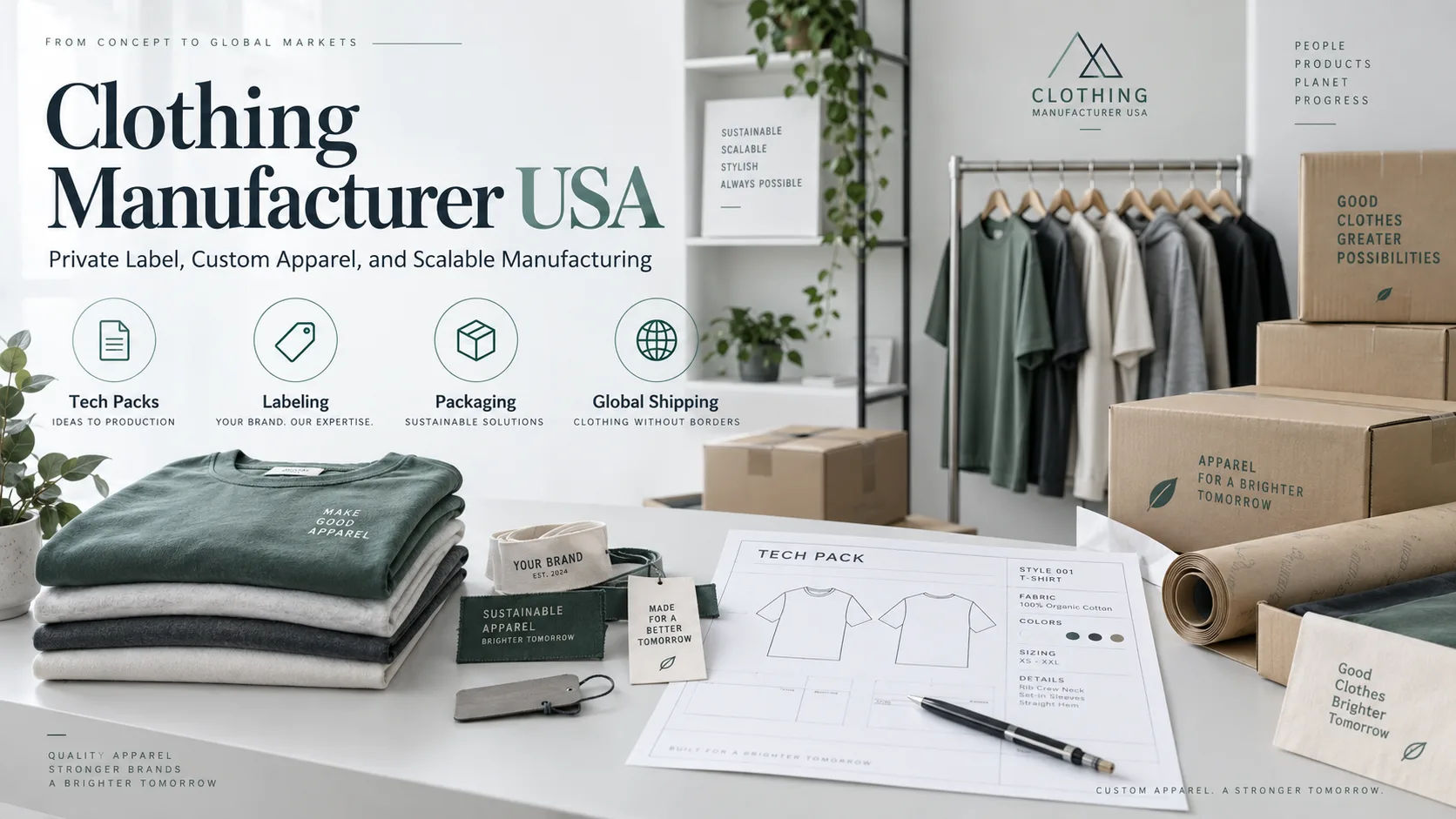
This is where private label manufacturing becomes important. A private label clothing manufacturer allows a fashion business to develop products under its own brand without building and managing a complete manufacturing facility.
The arrangement can be useful for startups, established fashion companies, online stores, boutiques, and businesses looking to expand their clothing ranges. However, private label manufacturing is not simply a matter of sending a logo to a factory and receiving finished garments. There is a complete process involving design, fabric selection, sampling, production, quality control, packaging, and delivery.
Understanding how this system works can help a brand choose the right manufacturing partner, control costs, avoid common mistakes, and create clothing that customers actually want to buy.
What Is Private Label Fashion Manufacturing?
Private label fashion manufacturing is a production arrangement in which a manufacturer creates clothing for a brand that sells the finished products under its own name.
The brand usually controls important elements such as product concepts, designs, labels, packaging, sizing, colors, and branding. The manufacturer handles some or most of the physical production work.
For example, a fashion company may want to launch a collection of hoodies, T-shirts, jackets, trousers, or dresses. Instead of purchasing generic clothing from a wholesaler, the company works with a private label clothing manufacturer to develop garments according to its specifications.
The finished products can then carry the brand's labels, tags, packaging, and other identifying elements.
This gives the fashion company more control over its products than traditional wholesale purchasing.
How Does the Private Label Process Work?
The private label process usually involves several stages. The exact workflow can vary depending on the manufacturer, product type, order size, and level of customization.
However, most projects follow a fairly similar path.
1. The Brand Develops a Product Idea
Everything starts with an idea.
The fashion brand decides what type of clothing it wants to produce and who the target customer is. This may involve studying current fashion trends, customer preferences, price points, competitors, and the brand's existing product range.
A brand might decide to create oversized sweatshirts for younger customers, premium cotton T-shirts, modest dresses, sportswear, denim products, or seasonal outerwear.
At this stage, the idea does not need to be perfect. It needs to be clear enough for the manufacturer to understand the intended product.
2. The Brand Shares Design Requirements
Once the product idea is established, the brand provides specifications to the manufacturer.
These specifications can include sketches, technical drawings, measurements, reference photographs, fabric preferences, color requirements, logos, embroidery details, printing instructions, and finishing requirements.
Some brands have professional tech packs prepared by fashion designers. Others provide simpler references and rely on the manufacturer's development team for assistance.
The more detailed the specifications are, the easier it is to produce a consistent garment.
3. Fabric and Material Selection
Fabric selection is one of the most important parts of fashion manufacturing.
A T-shirt can look completely different depending on whether it uses lightweight cotton, heavyweight cotton, a cotton-polyester blend, organic cotton, or another material.
The same applies to jackets, dresses, activewear, and knitwear.
A private label clothing manufacturer may have access to a wide range of fabrics and suppliers. The brand can discuss characteristics such as weight, stretch, softness, durability, breathability, texture, and appearance.
Cost also matters.
A premium fabric may improve the finished product but can significantly increase manufacturing costs. The goal is to find a material that matches the brand's quality expectations and target selling price.
4. Creating a Prototype or Sample
Before mass production begins, manufacturers normally create a sample.
The sample gives the brand a physical version of the proposed garment. It allows the company to check the design instead of relying entirely on drawings or digital images.
This stage is extremely important because problems can become much more expensive after bulk production starts.
The brand may discover that the sleeves are too long, the fabric is too thin, the neckline does not sit correctly, or the colors are different from what was expected.
These issues can usually be corrected during sampling.
5. Sample Approval and Adjustments
The first sample is not always perfect.
A brand may request several changes before approving it. These changes can involve measurements, stitching, fabric, buttons, zippers, labels, embroidery, printing, or overall fit.
Sometimes several sample rounds are required.
This can increase the development timeline, but it can also prevent costly production mistakes. Rushing through sample approval is one of the easier ways for a fashion business to create problems for itself.
A good manufacturer should be willing to communicate clearly during this stage and explain what changes are practical.
What Does the Manufacturer Actually Handle?
The exact responsibilities depend on the agreement between the brand and the manufacturer.
Some manufacturers offer complete product development and production. Others specialize mainly in cutting, sewing, finishing, or specific garment categories.
A full-service private label clothing manufacturer may handle several tasks under one production arrangement.
Product Development
The manufacturer may help turn a basic concept into a manufacturable garment.
This can include selecting suitable construction methods, adjusting measurements, recommending fabrics, and identifying production challenges.
Cutting and Sewing
Once the design is approved, fabric is prepared and cut according to the approved patterns.
The pieces are then assembled through sewing and other construction processes.
The complexity depends on the garment. A basic T-shirt may be relatively straightforward, while a structured jacket can involve numerous panels, linings, pockets, closures, and finishing operations.
Printing and Embroidery
Many private label products include branding through screen printing, digital printing, embroidery, patches, heat transfers, or other techniques.
The manufacturer may perform these services internally or coordinate them through specialized suppliers.
Labels and Branding
Private label products normally include brand-specific details.
These may include neck labels, woven labels, care labels, hangtags, size labels, packaging, and branded stickers.
The brand can use these elements to create a consistent customer experience.
Finishing and Packaging
After garments are produced, they may be pressed, folded, inspected, tagged, and packaged.
Packaging requirements should be discussed before production begins because special packaging can affect both cost and lead time.
How Much Control Does the Brand Have?
One of the main attractions of private label manufacturing is control.
The brand generally has much more control over its products than it would have when purchasing standard wholesale garments.
It can determine the design, colors, branding, measurements, materials, and finishing requirements.
However, control depends heavily on the manufacturer's capabilities.
For example, a factory may be excellent at producing basic cotton clothing but have limited experience with technical outdoor garments. Another may specialize in denim but have little experience with delicate fabrics.
This is why choosing a manufacturer based solely on price can be risky.
What Is the Minimum Order Quantity?
Minimum order quantity, often called MOQ, refers to the minimum number of units a manufacturer is willing to produce.
For example, a manufacturer may require a minimum of 100, 300, 500, or 1,000 pieces for a particular style.
MOQs can also apply separately to colors and sizes.
A brand wanting 200 hoodies may not necessarily be able to order 20 pieces in ten different colors. The factory may require a certain quantity per color because fabric purchasing, cutting, production setup, and other processes have minimum economic requirements.
Smaller brands should discuss MOQ requirements early.
A low MOQ can be attractive for startups because it reduces the amount of money tied up in inventory. However, lower quantities can sometimes result in higher per-unit manufacturing costs.
How Is Pricing Calculated?
Private label pricing depends on several factors.
These include fabric type, garment complexity, order quantity, printing, embroidery, trims, labels, packaging, labor, shipping requirements, and quality standards.
The basic production price is only part of the overall cost.
A brand should also consider sampling fees, pattern development, shipping, customs or import charges where applicable, packaging, inspection costs, and potential storage expenses.
A cheap quotation is not automatically a good quotation.
If one manufacturer offers a dramatically lower price than others, the brand should find out why. The difference could involve fabric quality, construction standards, included services, or production specifications.
How Does Quality Control Work?
Quality control helps ensure that finished garments match the approved specifications.
A manufacturer may inspect fabric before production, monitor production during manufacturing, and inspect finished garments before shipment.
Typical checks can include measurements, stitching, color consistency, print quality, embroidery placement, stains, loose threads, damaged fabric, and overall construction.
Brands should establish quality standards before production rather than trying to define them after receiving the shipment.
For important orders, independent inspection can also provide an additional layer of confidence.
What Happens After Production?
Once the garments pass quality checks, they are prepared for shipment.
Depending on the agreement, the manufacturer may pack the products into cartons according to size, color, style, or purchase order requirements.
The shipment can then be sent to the brand's warehouse, fulfillment center, retail location, or another destination.
At this point, the manufacturer's main production responsibility may be complete, but the brand still has important work to do.
It needs to receive inventory, check the shipment, organize stock, photograph products, create product listings, market the collection, and sell the garments.
Private Label vs. Wholesale Clothing
Private label and wholesale clothing are not the same thing.
With traditional wholesale, a retailer usually purchases existing garments that have already been designed and produced.
The retailer may have limited control over the design and branding.
With private label manufacturing, the brand has greater involvement in creating the product.
For businesses trying to build a recognizable fashion identity, this difference can be significant.
Private label products can help a company create a unique collection rather than selling exactly the same garments available through multiple retailers.
Private Label vs. Custom Manufacturing
The terms private label and custom manufacturing are sometimes used interchangeably, but they can describe slightly different arrangements.
Private label generally means products are manufactured for a specific brand and sold under that brand's identity.
Custom manufacturing can involve deeper product development, including completely original patterns, unusual construction, specialized materials, and highly customized designs.
In practice, the two models can overlap.
A manufacturer may offer both private label and fully customized development depending on the project.
How Long Does Production Take?
There is no single production timeline that applies to every fashion project.
Sampling can take several days or weeks depending on the complexity of the product and the number of revisions.
Bulk production can also vary considerably.
Simple garments with readily available materials may move faster than complicated products requiring special fabrics, trims, embroidery, washing, printing, or multiple production stages.
Brands should ask for a realistic timeline that separates sampling, material sourcing, production, quality inspection, and shipping.
It is also wise to leave some buffer time rather than planning a product launch around the manufacturer's best-case estimate.
What Should You Ask a Manufacturer Before Ordering?
A fashion brand should ask practical questions before committing to production.
Important questions include:
What Products Do You Specialize In?
A manufacturer experienced with the brand's product category is usually easier to work with than a factory that produces something completely different.
What Is Your MOQ?
Understanding minimum quantities prevents surprises later.
Can You Make Samples?
Ask whether samples are included, charged separately, or credited toward a future bulk order.
Can You Source the Fabric?
Some manufacturers provide extensive fabric sourcing support, while others expect the brand to supply materials.
What Branding Services Are Available?
Ask about woven labels, printed labels, embroidery, screen printing, hangtags, packaging, and other branding options.
How Do You Handle Quality Control?
A clear quality-control process can reveal how seriously the manufacturer approaches consistency.
What Are the Payment Terms?
The brand should understand deposits, remaining balances, sample fees, and any additional charges before production begins.
How Can a Brand Choose the Right Manufacturer?
Choosing the right private label clothing manufacturer requires more than comparing quotations.
Start by examining the manufacturer's experience.
Look for evidence that the company understands your product category, quality expectations, production volume, and target market.
Communication is equally important.
If a manufacturer takes days to answer simple questions, provides unclear quotations, or avoids explaining production details, those problems may become worse once money and deadlines are involved.
Samples should also be evaluated carefully.
Do not focus only on appearance. Examine stitching, seams, measurements, fabric quality, closures, labels, finishing, and durability.
It is better to discover a problem with one sample than with several thousand garments.
Common Mistakes Brands Make
One common mistake is choosing the cheapest manufacturer without evaluating quality.
Another is placing a large order before approving a proper sample.
Some brands also provide vague specifications and then expect the manufacturer to guess what they want.
Poor communication can cause expensive misunderstandings.
Another mistake is ignoring lead times.
A collection may be intended for summer, Christmas, a promotional event, or a specific fashion season. Delayed production can mean missing the most profitable sales window.
Brands should also avoid changing specifications repeatedly after production begins. Every change can affect cost, materials, timing, and production efficiency.
Is Private Label Manufacturing Good for Small Fashion Brands?
Private label manufacturing can be particularly useful for small brands because it allows them to build a distinct product range without owning a factory.
A startup can focus its resources on design, marketing, customer service, sales, and brand development while its manufacturing partner handles production.
However, small brands should be careful with inventory.
Ordering too much can tie up money in unsold stock. Ordering too little can result in higher production costs or stock shortages.
Starting with a manageable quantity and learning from customer demand can be a sensible approach.
How Technology Is Changing Private Label Fashion
Modern manufacturing is increasingly connected to digital tools.
Brands can use digital design systems, technical drawings, virtual sampling, inventory software, production tracking, and online communication platforms to manage projects more efficiently.
Digital tools can reduce misunderstandings and make it easier to share specifications.
However, technology does not eliminate the need for physical quality checks.
A digital design may look perfect on a screen, but fabric behavior, fit, stitching, and construction still need to be evaluated on a real garment.
Building a Long-Term Manufacturer Relationship
The best manufacturing relationships are usually not based entirely on individual orders.
When a brand finds a reliable private label clothing manufacturer, maintaining a long-term relationship can create advantages.
The manufacturer becomes familiar with the brand's measurements, preferred materials, quality expectations, packaging standards, and production style.
Over time, communication can become easier.
The brand may also be able to negotiate better production planning as order volumes increase.
A reliable manufacturing relationship can therefore become part of the brand's competitive advantage.
Conclusion
Private label fashion manufacturing provides a practical way for businesses to create clothing under their own brand without owning and operating a complete factory.
The process typically begins with a product idea and moves through design specifications, material selection, sampling, revisions, production, quality control, branding, packaging, and shipping.
A private label clothing manufacturer can handle some or nearly all of these stages depending on the services offered and the agreement with the brand.
The biggest advantage is control. Instead of simply selecting existing wholesale products, a brand can develop garments that fit its own identity, customers, price point, and quality expectations.
At the same time, private label manufacturing requires careful planning. Brands need to understand MOQs, production costs, sample development, lead times, quality standards, payment terms, and shipping requirements before placing significant orders.
The manufacturer you choose can have a direct impact on the quality and reputation of your fashion business. A low price may look attractive initially, but poor communication, inconsistent quality, delayed production, or weak finishing can cost much more later.
For that reason, brands should evaluate manufacturers based on experience, communication, product quality, production capabilities, transparency, and reliability rather than price alone.
When the relationship is managed properly, private label manufacturing can turn a simple fashion concept into a finished product that customers can recognize, trust, and buy repeatedly.
The real value is not simply having clothing with your logo on it. It is having products that genuinely represent your brand and give customers a reason to choose you instead of another fashion seller.