
Who carries vehicles for nationwide auto transport?
When people arrange nationwide auto transport, they often focus on the shipping company they contact, but the company taking the booking may not be the company physically carrying the vehicle. In many cases, a licensed auto carrier or professional trucking company is responsible for loading, securing, transporting, and delivering the vehicle.
Understanding who actually carries your car can make the shipping process much easier to navigate. It also helps you ask better questions about the carrier, insurance, equipment, pickup process, and delivery expectations.
The auto transport industry generally involves several different roles. There may be a broker arranging the shipment, a motor carrier operating the truck, and a professional driver handling the vehicle during transit. Sometimes one company performs several of these functions, while other times they are separate businesses.
Knowing the difference is particularly useful when you are comparing quotes. The cheapest price is not necessarily the best choice if you do not know who will actually transport your vehicle.
Who Physically Carries a Vehicle?
The vehicle is physically transported by an auto carrier, which is a specialized truck and trailer designed to move automobiles.
These carriers range from large multi-car trucks to smaller trailers capable of transporting only one or a few vehicles. The appropriate equipment depends on the vehicle, route, number of cars being moved, and the level of protection required.
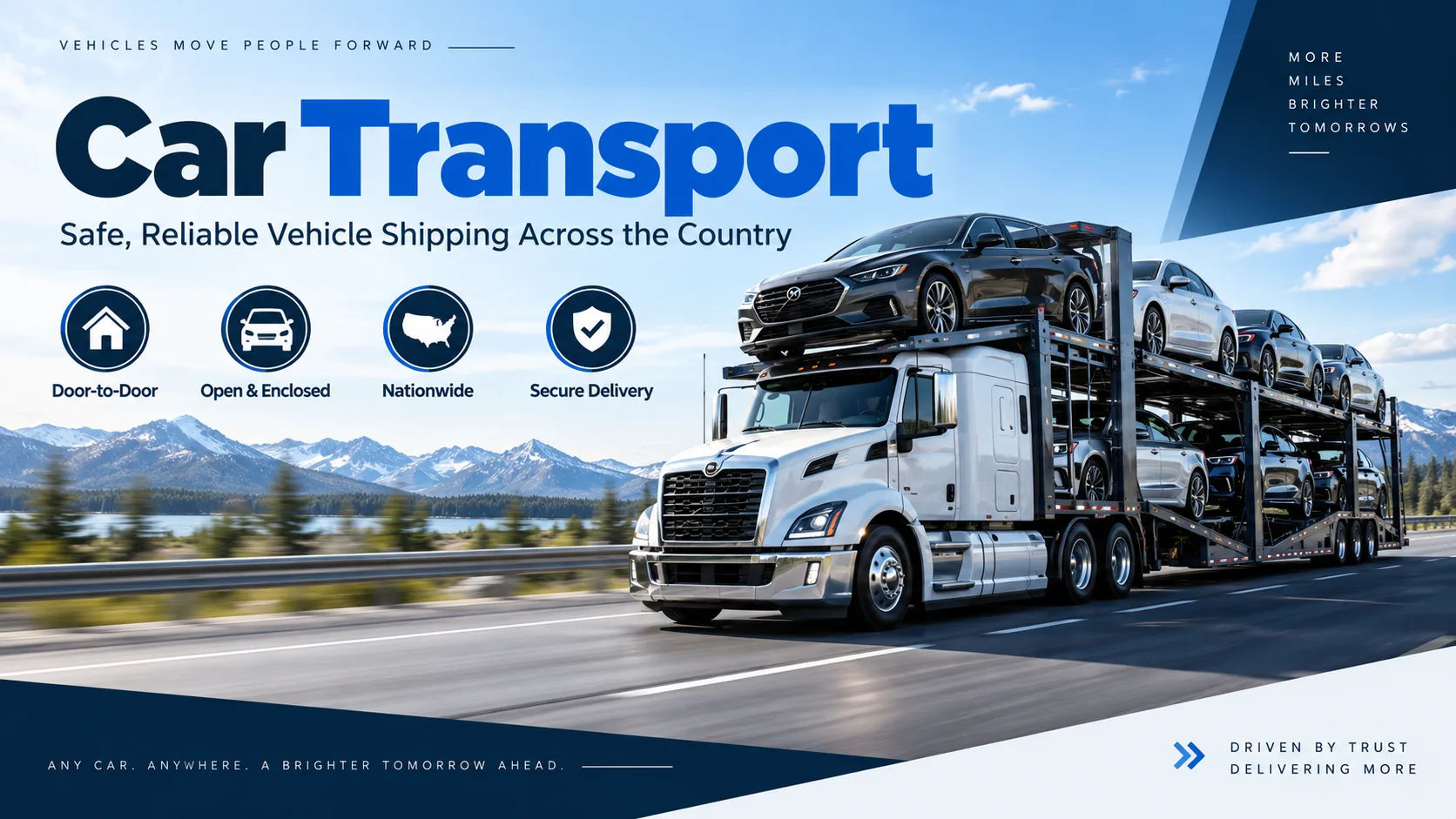
Large open carriers are the most recognizable. They are the long, often two-level trailers you see carrying several cars on highways. Standard open carriers can commonly transport multiple vehicles on one trip, making them an efficient option for everyday cars.
Enclosed carriers are another important option. They have walls and a roof, protecting vehicles from weather and road debris. They are commonly selected for classic cars, exotic vehicles, collector cars, luxury automobiles, and other vehicles where additional protection is important.
Professional Auto Transport Drivers
Behind every carrier is a professional driver responsible for moving the truck and its vehicle load.
The driver typically handles pickup, vehicle inspection, loading, securing the vehicle, transportation, unloading, and delivery inspection. The driver may also communicate with the customer about arrival times and changes to the schedule.
A professional driver does not simply put a car on a trailer and drive away. Proper loading and securement are important parts of the job.
Before transportation begins, the vehicle's condition should be documented. This may include recording existing scratches, dents, paint damage, mileage, and other relevant details on a condition report or Bill of Lading.
At delivery, the vehicle can then be inspected against its original condition.
What Is the Difference Between a Carrier and a Broker?
This is one of the most important distinctions in nationwide auto transport.
A carrier is the company that actually operates the truck and physically moves your vehicle. A broker, on the other hand, generally arranges transportation by connecting customers with motor carriers.
A broker may collect your vehicle information, provide a quote, arrange pickup, communicate with the carrier, and coordinate delivery. The actual truck may belong to another company.
There is nothing inherently wrong with using a broker. In fact, brokers can provide access to a broad network of carriers and help customers find transportation on difficult routes.
The important thing is knowing which company will actually carry your vehicle.
Why Brokers Are Used
Auto transport routes vary considerably. A carrier may regularly operate between certain cities but have limited availability elsewhere.
A broker can search its carrier network for an appropriate truck based on your pickup location, destination, vehicle type, timing, and transportation requirements.
This can be especially helpful for long-distance shipments where carrier availability changes from week to week.
However, customers should ask whether the company they are dealing with is a broker, a carrier, or both.
That simple question can clarify who will actually show up at your home or pickup location.
What Types of Carriers Are Used?
Not every vehicle requires the same transportation equipment. The carrier selected for your shipment should match the vehicle and the circumstances.
Open Auto Carriers
Open carriers are the standard choice for most vehicle shipments.
They typically have multiple levels and can transport several vehicles simultaneously. Because the transportation cost is shared among multiple vehicles, open shipping is generally more economical than enclosed transportation.
Open carriers are commonly used for sedans, SUVs, pickup trucks, family vehicles, dealership inventory, and other ordinary automobiles.
The main disadvantage is exposure. Your vehicle is exposed to normal weather conditions, road dust, insects, and potential road debris.
That does not mean open transport is inherently unsafe. It simply means the vehicle does not have the additional physical protection provided by an enclosed trailer.
For most everyday vehicles, open transportation is a practical choice.
Enclosed Auto Carriers
Enclosed carriers provide additional protection because the vehicle travels inside a covered trailer.
They are particularly useful for high-value, rare, classic, exotic, restored, or specially modified vehicles. The enclosed environment reduces exposure to weather and road debris.
The tradeoff is price and availability.
Enclosed trailers generally carry fewer vehicles than large open carriers, so the cost per vehicle can be higher. Availability may also be more limited depending on the route.
For an ordinary daily driver, the additional expense may not be necessary. For a valuable collector vehicle, however, the extra protection can make sense.
Flatbed and Specialized Carriers
Some vehicles cannot be transported conveniently on a standard multi-car carrier.
Oversized vehicles, unusually shaped vehicles, non-running cars, low-clearance vehicles, and specialty equipment may require different loading equipment.
Flatbed trailers can be useful for certain vehicles because they provide a relatively flexible loading platform. Smaller carriers may also be used when a shipment involves only one or a few vehicles.
The important point is that carrier equipment should be selected according to the vehicle rather than simply choosing whatever truck is cheapest.
Who Decides Which Carrier Moves Your Vehicle?
The answer depends on whether you book directly with a carrier or through a broker.
When you book directly with a motor carrier, that company generally assigns the shipment to one of its available trucks and drivers.
When you use a broker, the broker searches its network and arranges for a suitable carrier to handle the shipment.
The customer should receive clear information about the transportation arrangement before handing over the vehicle.
Ask who the carrier is, what type of trailer will be used, how the vehicle will be protected, and what insurance coverage applies.
These questions are especially important if you are shipping a valuable vehicle.
How Does the Vehicle Actually Get From One State to Another?
The process is more organized than simply putting a car on a truck and driving across the country.
First, the shipment is booked using details such as the pickup location, destination, vehicle make and model, vehicle condition, preferred transportation method, and timing.
The carrier is then assigned.
At pickup, the driver normally inspects the vehicle. Existing damage should be documented before loading. The vehicle is then driven or winched onto the trailer, depending on whether it is operational.
Once positioned on the trailer, it is secured using appropriate equipment.
The carrier then begins the route. Because multiple vehicles may be on the same trailer, the driver may make several pickups and deliveries along the way.
This is one reason delivery dates are usually provided as windows rather than guaranteed exact times.
Finally, the vehicle arrives at the destination. The customer should inspect it before completing the delivery process.
What Should You Check Before Choosing a Carrier?
Choosing a company for nationwide auto transport should involve more than comparing the first three prices you see.
Verify the Company's Role
Find out whether you are dealing directly with a carrier or with a broker.
If it is a broker, ask which carrier is expected to handle your vehicle once one has been assigned.
Ask About Insurance
Insurance is another important consideration.
Ask what coverage applies while the vehicle is in the carrier's possession and whether there are any exclusions or deductibles that could affect a potential claim.
Do not assume that every type of damage is automatically covered simply because a company says the shipment is insured.
Get the relevant information in writing.
Understand the Inspection Process
A condition report is extremely important.
The vehicle should be inspected before loading, and existing damage should be recorded. Photographs can provide additional documentation.
At delivery, inspect the vehicle again before signing the final paperwork.
This creates a clear comparison between the vehicle's condition before and after transportation.
Ask About the Trailer
Do not hesitate to ask what type of carrier will be used.
For a standard family vehicle, an open carrier may be perfectly reasonable.
For a classic or exotic vehicle, you may prefer an enclosed carrier.
If the vehicle is non-running, tell the company before booking because special loading equipment may be required.
Does the Driver Usually Carry Several Vehicles?
Yes. Multi-car carriers are specifically designed to transport several vehicles during one trip.
This is one of the main reasons open transportation is relatively economical. Instead of dedicating an entire truck to one vehicle, the carrier transports several cars and distributes transportation costs among the shipments.
Large open carriers commonly carry multiple vehicles, while enclosed carriers usually carry fewer because of their design and the types of vehicles they transport.
The driver may therefore have several scheduled pickups and deliveries along the route.
This also explains why your vehicle may not travel directly from your driveway to its destination without stopping elsewhere.
Can You Request a Specific Carrier?
Sometimes, but availability matters.
If you have a preference for open or enclosed transportation, that can usually be requested during booking.
Requesting a particular truck, driver, or carrier company may be more difficult, especially when using a broker. Carrier schedules change, and the available truck depends on the route and timing.
If your priority is a specific type of equipment rather than a particular driver, state that requirement clearly when requesting quotes.
For example, someone transporting a classic vehicle may care more about getting an enclosed carrier than about which individual driver operates the truck.
What Makes a Good Nationwide Auto Transport Carrier?
A good carrier should have appropriate equipment, qualified drivers, suitable insurance, and a clear process for documenting vehicle condition.
Communication also matters.
You should know who is handling the vehicle and have a reasonable way to receive updates about pickup and delivery.
A professional operation should also be willing to explain its process rather than giving vague answers.
Be cautious when a company cannot clearly explain who will transport your car, what equipment will be used, or what happens if the pickup or delivery schedule changes.
Price matters, but transparency matters too.
How Much Does the Type of Carrier Matter?
The carrier type can have a meaningful effect on both cost and protection.
Open transport is generally the practical option for ordinary vehicles because it is widely available and designed to move several vehicles efficiently.
Enclosed transportation costs more but provides additional protection from the outside environment.
The right choice depends on the vehicle's value, condition, type, and your personal tolerance for exposure during transit.
There is no universal answer that says one carrier is always better.
A five-year-old daily driver and a restored classic car have very different transportation needs.
Questions to Ask Before Handing Over Your Vehicle
Before confirming nationwide auto transport, ask a few straightforward questions.
Who is the actual carrier?
Is the shipment being handled directly or through a broker?
What type of trailer will carry the vehicle?
How will existing damage be documented?
What insurance coverage applies during transportation?
What happens if the pickup date changes?
How will the vehicle be inspected at delivery?
What should you do if damage is discovered?
Clear answers to these questions can prevent misunderstandings later.
It is much easier to resolve expectations before the vehicle is loaded than after it has already traveled hundreds or thousands of miles.
Conclusion
So, who carries vehicles for nationwide auto transport? In most cases, the physical work is handled by professional motor carriers operating specialized auto transport trucks and trailers. These may be large open multi-car carriers, enclosed carriers, flatbeds, or other specialized equipment depending on the shipment.
The company you contact may not always be the company operating the truck. A broker can arrange transportation through an independent carrier, while some businesses operate as both brokers and carriers. Understanding this distinction is one of the simplest ways to become a more informed customer.
For most everyday vehicles, an open carrier is usually the practical choice because it is widely available and can transport several vehicles efficiently. Enclosed transportation is more appropriate when additional protection is important, particularly for valuable, classic, exotic, or specially modified vehicles.
Regardless of the carrier type, pay attention to documentation. A thorough inspection before loading, accurate condition records, appropriate insurance, and a careful inspection at delivery provide valuable protection for both the customer and the carrier.
Ultimately, the best nationwide auto transport arrangement is not simply the one offering the lowest quote. It is the one where you understand who is carrying your vehicle, what equipment they are using, how your car will be documented, what coverage applies, and how communication will work throughout the shipment.
When those details are clear from the beginning, transporting a vehicle across the country becomes a much more predictable process.