
What is Click analytics?What is Click analytics?

Click analytics is the process of collecting, measuring, and analyzing data about the clicks users make when interacting with a website, app, email, advertisement, or digital platform. It helps businesses understand what people are actually doing after they arrive on a digital property, rather than relying only on assumptions or surface-level traffic numbers.
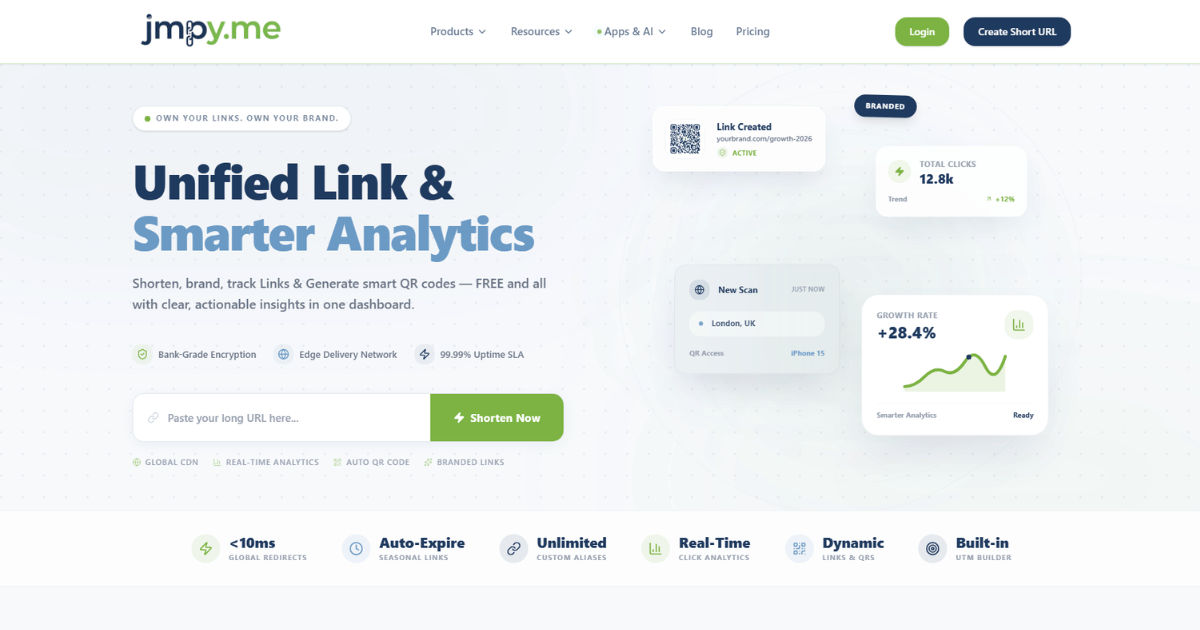
A website may receive thousands of visitors every day, but visitor numbers alone do not tell you whether those people are finding what they need. Click analytics provides deeper insight by showing which links, buttons, images, menus, products, and other interactive elements attract attention and encourage users to take action.

For example, imagine an online store has a large "Buy Now" button on a product page. The business may know that 10,000 people viewed the page, but that information does not explain how many visitors clicked the button. By tracking those interactions, the business can understand whether visitors are moving forward in the buying process.

The same idea applies to almost every digital experience. A news website can track which headlines receive the most clicks. An email marketer can measure which links subscribers select. A software company can see which features users open most often. A content publisher can discover which recommended articles attract the most attention.

In simple terms, Click analytics answers an important question: "What are people clicking, and what does that tell us about their behavior?"

This information can help organizations improve websites, increase conversions, make content more useful, reduce user frustration, and make better decisions based on actual behavior.

Why Click Analytics Matters

Digital businesses often collect large amounts of information about their visitors. They may know how many people visited a website, how long users stayed, or where visitors came from. While these metrics are useful, they do not always explain what users actually did.

Click analytics adds an important layer of behavioral information.

Suppose a website receives 50,000 visitors in a month. That sounds positive, but the business still needs to know what those visitors are doing. Are they clicking product pages? Are they opening contact forms? Are they reading articles? Are they abandoning the website without interacting?

Without this information, it can be difficult to understand whether a website is performing effectively.

Click analytics helps connect traffic with user actions. It provides evidence about how people interact with individual elements of a digital experience.

This is especially important because businesses often make design decisions based on assumptions. A website owner might believe that a certain button is highly visible, while actual click data shows that very few visitors notice it.

Similarly, a company may think that users prefer a particular navigation menu, but click behavior may reveal that visitors repeatedly choose a completely different path.

The data does not replace human judgment, but it makes decision-making more informed.

How Click Analytics Works

The basic process behind Click analytics is relatively straightforward.

First, a digital platform needs a way to record user interactions. This is usually done through analytics software, tracking scripts, event tracking systems, or platform-specific measurement tools.

When a visitor clicks a tracked element, the system records information about that interaction.

Depending on the tracking setup, the collected information may include the clicked element, page URL, date and time, device type, traffic source, browser, geographic region, and other relevant information.

The data is then sent to an analytics platform where it can be organized and analyzed.

For example, a website may record an event whenever someone clicks a "Request a Quote" button. After collecting enough data, the business can determine how frequently the button is clicked and compare its performance with other calls to action.

The process can be summarized as:

User interaction → Tracking system → Data collection → Data analysis → Business insight → Improvement

The important point is that the click itself is only the beginning. The real value comes from understanding what the click means.

A high number of clicks might indicate strong interest. However, it could also indicate confusion if users repeatedly click something that does not work as expected.

Therefore, click data should always be interpreted within its broader context.

What Can Be Tracked With Click Analytics?

Almost any meaningful interactive element can potentially be tracked.

Common examples include navigation links, buttons, product cards, images, banners, forms, downloads, phone numbers, email addresses, social media icons, videos, menus, and calls to action.

On an e-commerce website, businesses may track clicks on product categories, individual products, filters, shopping cart buttons, checkout buttons, and promotional offers.

On a service website, companies may track clicks on contact buttons, consultation forms, pricing pages, service descriptions, and appointment links.

Content websites may track clicks on article recommendations, category pages, author profiles, internal links, and advertisements.

Applications can track interactions with menus, settings, features, notifications, and subscription options.

The possibilities are extensive, but effective tracking requires careful planning. Tracking everything does not automatically create useful insights.

The goal should be to measure interactions that help answer important business or user-experience questions.

Clicks and Click-Through Rate

One of the most commonly associated measurements is click-through rate, often called CTR.

CTR measures the percentage of people who click a link or interactive element compared with the number of people who were exposed to it.

For example, if 1,000 people see an advertisement and 50 click it, the CTR is 5%.

The basic formula is:

CTR = (Number of clicks ÷ Number of impressions) × 100

CTR can be useful for evaluating advertisements, email campaigns, search results, and other digital content.

However, it should not be confused with total clicks.

Total clicks tell you how many times an element was clicked.

CTR tells you how effectively an element generated clicks relative to its exposure.

Both measurements provide different information.

A campaign might receive 10,000 clicks, but if it was shown to 10 million people, the click-through rate may be relatively low. Another campaign might receive fewer total clicks but achieve a much higher CTR because it was shown to a smaller, more relevant audience.

This is why Click analytics should be interpreted using multiple metrics rather than a single number.

Click Analytics and User Behavior

One of the biggest benefits of Click analytics is its ability to reveal patterns in user behavior.

People do not always behave the way website owners expect.

A business might place its most important link at the top of a page, assuming visitors will click it first. However, users may ignore it and instead select a smaller link further down the page.

This can happen because of visual hierarchy, wording, design, placement, user intent, or simple habit.

By analyzing click behavior, businesses can discover these patterns.

For instance, if users consistently click an image that is not actually clickable, that could indicate a design problem. Visitors may reasonably assume that the image should lead somewhere, even though the website does not provide that functionality.

Similarly, if users repeatedly click a disabled button, the interface may be creating confusion.

These observations can help designers improve the experience.

The goal is not simply to increase clicks. The goal is to make the user's journey clearer and more effective.

Understanding Navigation Through Click Data

Navigation is one of the most important areas where Click analytics can provide valuable information.

A website may have dozens or even hundreds of pages. Visitors need a clear way to move between them.

Analytics can show which navigation links users select most often and which ones are rarely used.

Suppose a company has a navigation menu containing "About Us," "Services," "Pricing," "Resources," and "Contact." If the data shows that visitors frequently click "Pricing" and "Services" but rarely interact with "Resources," the business may want to examine why.

The answer could be that the resource content is not useful. Alternatively, the label may be unclear, or the link may be positioned poorly.

Navigation data can also reveal unexpected user journeys.

Visitors might enter through a blog article, click an internal link to a service page, visit the pricing page, and then contact the company.

This path can help businesses understand how content contributes to conversions.

Click Analytics for Website Optimization

Website optimization involves improving a digital experience so that it becomes more useful, efficient, and effective.

Click analytics can support this process by showing how visitors interact with the existing design.

For example, a business may test two different versions of a call-to-action button.

One version might say "Learn More," while another says "See Pricing."

If the second version receives more meaningful clicks, the business may learn that visitors respond better to specific language.

However, click volume alone should not determine the winner.

If one button gets many clicks but produces few completed forms, while another generates fewer clicks but more qualified leads, the second option may actually be more valuable.

This demonstrates an important principle: clicks are behavioral signals, not final business outcomes.

The best optimization decisions connect clicks with what happens afterward.

Click Analytics and Conversion Tracking

Conversion tracking measures whether users complete important goals.

A conversion could be a purchase, registration, form submission, phone call, appointment booking, software installation, or subscription.

Click analytics helps explain the steps leading toward that conversion.

Imagine that 10,000 people visit a landing page. Out of those visitors, 1,000 click the main call-to-action button, and 100 complete the registration process.

The click data tells you that 10% of visitors reached the next stage, while the conversion data shows that 10% of those who clicked eventually registered.

This creates a more complete picture.

If the button receives very few clicks, the problem may involve the page design, message, offer, or call to action.

If the button receives many clicks but very few registrations are completed, the problem may exist in the next step.

Without click data, it can be difficult to identify exactly where users are dropping off.

Click Analytics in E-Commerce

Online stores rely heavily on behavioral data.

A customer may visit a product page, click product images, open specifications, select a size, choose a color, add an item to the cart, and eventually complete checkout.

Each interaction can provide useful information.

If customers frequently view product images but rarely click "Add to Cart," the store may need to investigate pricing, product descriptions, reviews, or purchase friction.

If users repeatedly click product recommendations, the store may have an opportunity to improve cross-selling.

If shoppers click the checkout button but abandon the process afterward, the issue may be related to shipping costs, payment options, account requirements, or technical problems.

Click analytics cannot automatically identify the exact cause, but it can point businesses toward areas that deserve investigation.

Click Analytics in Email Marketing

Email campaigns also generate valuable click data.

When a company sends an email containing multiple links, it can analyze which links attract the most attention.

For example, an email might contain a product image, a headline, and a "Shop Now" button that all lead to the same page.

If the image receives the most clicks, this may suggest that visual elements are particularly effective for that audience.

If the button receives the most clicks, the call to action may be doing its job effectively.

Businesses can also compare campaigns over time.

A newsletter may receive a strong open rate but a weak click rate. This could mean that the subject line successfully attracts attention, but the email content does not encourage further action.

This distinction is important because opening an email and clicking a link represent different levels of engagement.

Click Analytics for Advertising

Digital advertising platforms commonly provide click-related metrics.

Advertisers can see how many people interacted with an advertisement and how effectively it encouraged users to visit a destination.

Click data can help compare different advertisements, audiences, messages, and creative formats.

For example, one advertisement may generate many clicks because its headline is highly attractive. Another may generate fewer clicks but bring visitors who are more likely to purchase.

Therefore, advertising analysis should combine click data with conversion and revenue data.

A cheap click is not necessarily valuable if the visitor has no interest in the product.

The most useful click is often the one that represents genuine interest from a relevant potential customer.

Click Analytics and Content Performance

Content creators can use click data to understand what topics and formats attract readers.

Suppose a website publishes ten articles in one month.

Some articles may receive many clicks from the homepage, while others receive very little attention.

This information can help editors understand what interests their audience.

However, content performance should be evaluated carefully.

A headline may generate many clicks because it is intriguing, but readers may leave quickly if the article does not deliver what the headline promised.

This is why click data should be combined with engagement metrics such as time spent, scroll depth, return visits, and conversions.

High clicks combined with strong engagement are generally more meaningful than high clicks alone.

Click Analytics and Heatmaps

Heatmaps provide a visual way to understand interaction patterns.

A click heatmap can show where users click on a page.

Areas receiving many clicks may appear more prominent, while areas receiving fewer interactions appear less prominent.

Heatmaps can help identify unexpected behavior.

For example, visitors may click on a decorative image because they believe it is a link. They may also click on text that appears interactive but does not respond.

This type of information can reveal usability problems that traditional page-level statistics might miss.

Heatmaps are especially useful when combined with other analytics tools.

A heatmap can show where people click, while session recordings or user testing may help explain why they behave that way.

Click Analytics and A/B Testing

A/B testing involves comparing two versions of a digital experience.

For example, a website might show half of its visitors one headline and the other half a different headline.

The business can then compare performance.

Click analytics may be used to measure which version generates more interaction.

However, the test should be designed around a meaningful goal.

If the purpose of a page is to generate leads, the best version is not necessarily the one that produces the most button clicks. The stronger version may be the one that produces more completed forms or higher-quality leads.

A/B testing works best when businesses change one important variable at a time and collect enough data before making a conclusion.

Common Click Analytics Metrics

There are several metrics that organizations commonly examine.

Total clicks measure the number of times an element was clicked.

Unique clicks attempt to distinguish individual users or visitors from repeated clicks, depending on the analytics platform.

Click-through rate compares clicks with impressions or exposures.

Click-to-conversion rate measures how often clicks lead to a desired outcome.

Engagement rate may combine multiple types of interaction to provide a broader view of user activity.

Exit behavior can help identify whether users leave after clicking a particular element.

These metrics should not be viewed independently.

A useful analysis looks for relationships between them.

For example, a page might have a high click rate but a poor conversion rate. That difference could indicate that the page successfully attracts attention but fails to satisfy user expectations.

Common Mistakes When Using Click Analytics

One common mistake is tracking too many events.

If every possible interaction is recorded without a clear purpose, the resulting data can become difficult to understand.

Another mistake is focusing only on clicks.

Clicks are important, but they do not automatically represent success.

A third mistake is ignoring context.

A sudden increase in clicks might result from a successful marketing campaign, seasonal demand, a news event, or even accidental repeated clicking.

Another problem is failing to check whether tracking works correctly.

If an analytics tag is incorrectly implemented, the resulting data may be incomplete or misleading.

Businesses should regularly test important tracking events and verify that the collected data makes sense.

How to Create a Better Click Analytics Strategy

A good strategy begins with clear questions.

Instead of asking, "What can we track?" it is often better to ask, "What do we need to understand?"

For example, a business may want to know why visitors are not completing purchases.

The analytics strategy should then focus on the interactions that help answer that question.

Important events can be identified and tracked.

The data should be reviewed regularly.

Patterns should be compared over time rather than judged from a single day.

Teams should also connect click behavior with business outcomes.

This creates a more practical approach to analytics.

Privacy and Ethical Considerations

Click analytics involves collecting information about user behavior, so privacy should always be considered.

Organizations should understand applicable privacy laws and regulations and ensure that tracking practices are transparent and appropriate.

Users should not be misled about how their data is collected or used.

Businesses should also avoid collecting unnecessary information.

Good analytics is not about gathering every possible piece of data. It is about collecting the right information responsibly.

Privacy-friendly practices can also improve trust between users and organizations.

Companies should review their analytics systems regularly and ensure that their data collection practices align with applicable legal and organizational requirements.

The Difference Between Click Analytics and Web Analytics

These terms are related but not identical.

Web analytics is a broad field that examines website traffic and user behavior.

It may include information about visitors, traffic sources, page views, sessions, conversions, and many other measurements.

Click analytics is more focused on interactions involving clicks.

In other words, Click analytics can be considered one part of the broader web analytics process.

Web analytics may tell you that a visitor arrived from a search engine and viewed three pages.

Click analysis may tell you that the visitor clicked a particular product link, opened a pricing section, and selected a contact button.

Both types of information can work together to create a clearer picture of the user journey.

The Difference Between Click Analytics and Heatmaps

Heatmaps are a visualization method, while Click analytics is a broader approach to measuring click behavior.

A heatmap may visually display where clicks occur on a page.

Click analytics may provide detailed event data about specific interactions, including the element clicked and other contextual information.

Both methods are useful.

Heatmaps are often easier to understand visually, while event-based analytics can provide more precise information for reporting and analysis.

Using them together can produce stronger insights.

What Click Analytics Cannot Tell You

Although click data is valuable, it does not explain everything.

A click tells you that an interaction happened. It does not always explain why the user clicked.

For example, a visitor might click a button because they are interested in the offer. Another visitor might click it because they misunderstood its purpose.

The same click can have different motivations.

This is why businesses may combine analytics with surveys, interviews, usability testing, customer feedback, and session recordings.

Quantitative data tells you what happened.

Qualitative research can help explain why it happened.

The two approaches complement each other.

How Businesses Can Turn Click Data Into Action

Collecting data is only useful when it leads to better decisions.

A business should regularly identify important patterns and ask what action should follow.

If users rarely click an important button, the business might test a different location or clearer wording.

If visitors frequently click a product recommendation, the business might expand related product suggestions.

If users repeatedly click an element that does not work, the design may need to be changed.

If many users click a link but fail to complete the next step, the following page may need improvement.

The best analytics process follows a cycle:

Measure → Analyze → Identify a problem → Test a solution → Measure again

This creates continuous improvement instead of one-time reporting.

The Future of Click Analytics

As digital experiences become more complex, behavioral analytics will continue to evolve.

Modern websites and applications increasingly combine traditional event tracking with artificial intelligence, automated insights, predictive analytics, and personalization.

Instead of simply reporting that users clicked something, advanced systems may help identify patterns across large numbers of interactions.

Businesses may be able to recognize unusual behavior, identify potential usability problems, and predict which actions are most likely to lead to desired outcomes.

However, better technology does not eliminate the need for human judgment.

Organizations still need to decide which questions matter, which metrics are meaningful, and which changes should be tested.

The future of analytics is likely to involve more automation, but successful analysis will still depend on understanding users and business goals.

Conclusion

Click analytics is one of the most practical ways to understand how people interact with digital experiences.

It moves analysis beyond simple traffic numbers and provides a closer look at what users actually do.

By tracking clicks on links, buttons, products, menus, advertisements, content, and other interactive elements, businesses can identify patterns that might otherwise remain hidden.The real value, however, is not the click itself.

A click is simply a signal. The important work begins when that signal is interpreted in context.A high click rate may indicate strong interest, but it may also reveal confusing design. A low click rate may suggest weak content, poor visibility, or an audience that is not relevant. A large number of clicks may look impressive, but if those clicks do not lead to meaningful outcomes, they may have limited business value.

For this reason, effective Click analytics should always be connected to a clear purpose.Businesses should first determine what they want to understand. They should then track meaningful interactions, analyze patterns, compare results, and test improvements.

It is also important to avoid becoming obsessed with individual metrics. Numbers are useful when they help answer real questions. They become less useful when teams collect them simply because they are available.The strongest approach combines click behavior with other forms of information, including conversion rates, customer feedback, usability testing, engagement data, and business results.

When used properly, Click analytics can help organizations make websites easier to use, improve digital marketing campaigns, understand customer journeys, and increase the effectiveness of online experiences.For website owners and digital teams, the key lesson is simple: do not just ask how many people visited your website. Ask what they did when they arrived.

Understanding those actions can reveal what is working, what is confusing, and where there is an opportunity to improve.Ultimately, Click analytics is not just about counting clicks. It is about turning user interactions into useful knowledge and using that knowledge to create better digital experiences.

What are trust services criteria in SOC 2?What are trust services criteria in SOC 2?

Organizations that handle customer data are expected to maintain strong security and privacy practices. Whether you are a SaaS company, cloud service provider, healthcare technology firm, or financial services business, proving your commitment to data protection is essential.

This is where SOC 2 readiness consulting becomes valuable. It helps organizations prepare for SOC 2 compliance by identifying gaps, implementing controls, and ensuring that security measures align with industry standards before an official audit.

One of the most important aspects of SOC 2 is the Trust Services Criteria (TSC). These criteria provide a framework that organizations use to design, implement, and evaluate controls related to data security, availability, processing integrity, confidentiality, and privacy. Rather than being a checklist, the Trust Services Criteria establish principles that organizations can adapt based on their size, industry, and operational needs.

This comprehensive guide explains what Trust Services Criteria are, why they matter, the five categories they include, and how businesses can effectively implement them to strengthen security and build customer trust.

SOC 2

SOC 2 is an auditing framework developed by the American Institute of Certified Public Accountants (AICPA). It is specifically designed for service organizations that store, process, or transmit customer information.

Unlike compliance standards that prescribe exact technical controls, SOC 2 focuses on whether an organization has designed and implemented effective controls to protect customer data.

A successful SOC 2 audit demonstrates that a company follows recognized security practices and has systems in place to reduce operational and cybersecurity risks.

What Are Trust Services Criteria?

The Trust Services Criteria (TSC) are the foundation of every SOC 2 examination. They define the principles auditors use to evaluate whether an organization's controls effectively safeguard customer information.

Every SOC 2 audit includes the Security criterion, while the remaining four criteria are optional depending on the organization's services and customer requirements.

The five Trust Services Criteria are:

  • Security
  • Availability
  • Processing Integrity
  • Confidentiality
  • Privacy

Together, these criteria help organizations establish comprehensive governance, risk management, and security programs.

Why Trust Services Criteria Matter

Trust is one of the most valuable assets a company can earn. Customers want confidence that their information remains secure and available whenever needed.

The Trust Services Criteria provide several important benefits.

Strengthen Customer Confidence

Organizations with strong security controls demonstrate professionalism and reliability. Customers are more willing to work with businesses that can prove they protect sensitive information.

Reduce Cybersecurity Risks

Implementing effective controls helps minimize the likelihood of data breaches, ransomware attacks, insider threats, and operational disruptions.

Support Regulatory Compliance

Many privacy regulations share similar security principles with SOC 2. Organizations often find that implementing the Trust Services Criteria supports broader compliance initiatives.

Improve Internal Operations

The criteria encourage organizations to document policies, standardize procedures, and continuously monitor their security posture.

Gain a Competitive Advantage

Many enterprise customers require vendors to provide a SOC 2 report before signing contracts. Meeting the Trust Services Criteria can help businesses win new opportunities.

The Five Trust Services Criteria Explained

Security

Security is the only mandatory Trust Services Criterion for every SOC 2 audit.

Its primary objective is to protect systems and information against unauthorized access, misuse, theft, or damage.

Security controls typically include:

  • Multi-factor authentication
  • Strong password policies
  • Role-based access control
  • Network security monitoring
  • Firewalls
  • Antivirus protection
  • Vulnerability management
  • Incident response procedures
  • Employee security awareness training
  • Continuous monitoring

Organizations should regularly evaluate risks and update their controls to address evolving cyber threats.

Security serves as the foundation upon which all other Trust Services Criteria are built.

Availability

Availability focuses on ensuring that systems remain operational and accessible according to business commitments.

Customers expect services to function whenever required.

Availability controls often include:

  • Disaster recovery planning
  • Business continuity planning
  • System redundancy
  • Backup procedures
  • Infrastructure monitoring
  • Capacity planning
  • Performance monitoring
  • Recovery testing

Organizations should identify critical systems and establish recovery objectives to minimize downtime.

Reliable availability improves customer satisfaction and operational resilience.

Processing Integrity

Processing Integrity ensures that systems process data accurately, completely, timely, and according to authorized business rules.

The emphasis is not simply on keeping systems online but ensuring they perform correctly.

Important controls include:

  • Input validation
  • Error detection
  • Change management
  • Transaction monitoring
  • Automated testing
  • Quality assurance
  • Data reconciliation
  • Process documentation

Organizations handling financial transactions, payroll, healthcare records, or customer orders often place significant emphasis on Processing Integrity.

Confidentiality

Confidentiality protects sensitive information from unauthorized disclosure.

Confidential information may include:

  • Intellectual property
  • Financial information
  • Customer contracts
  • Source code
  • Product designs
  • Business strategies
  • Internal reports

Confidentiality controls commonly include:

  • Encryption
  • Access restrictions
  • Secure file sharing
  • Data classification
  • Secure disposal procedures
  • Data retention policies

Organizations should clearly define which information requires confidentiality protection.

Privacy

Privacy addresses how organizations collect, use, retain, disclose, and dispose of personal information.

Privacy controls are particularly important for businesses processing customer personal data.

Privacy programs generally include:

  • Consent management
  • Privacy notices
  • Data minimization
  • Individual rights management
  • Data retention schedules
  • Secure disposal
  • Privacy risk assessments
  • Employee privacy training

Organizations should ensure their privacy practices align with customer expectations and applicable regulations.

Common Criteria That Support Every Trust Services Category

In addition to the five Trust Services Criteria, SOC 2 includes Common Criteria that apply across multiple security domains.

These Common Criteria address governance and organizational controls such as:

Risk Assessment

Organizations should identify, evaluate, and manage risks that could affect information security.

Risk assessments should be conducted regularly and updated when significant operational changes occur.

Control Environment

Leadership plays a critical role in establishing a culture of security and ethical behavior.

Senior management should demonstrate commitment to information security through policies, accountability, and oversight.

Monitoring Activities

Security controls should not remain static.

Organizations need continuous monitoring to verify controls continue operating effectively.

Monitoring activities include:

  • Internal audits
  • Log reviews
  • Vulnerability scans
  • Penetration testing
  • Security dashboards

Information and Communication

Employees must understand security responsibilities.

Organizations should communicate policies clearly and provide ongoing security awareness training.

How Organizations Implement Trust Services Criteria

Implementing the Trust Services Criteria requires more than installing security software.

Organizations should follow a structured approach.

Conduct a Gap Assessment

The first step involves comparing existing controls against SOC 2 requirements.

This assessment identifies weaknesses that require remediation.

Develop Security Policies

Policies establish consistent expectations across the organization.

Common policies include:

  • Information Security Policy
  • Access Control Policy
  • Incident Response Policy
  • Backup Policy
  • Vendor Management Policy
  • Change Management Policy

Implement Technical Controls

Organizations deploy technical safeguards such as:

  • Identity management
  • Encryption
  • Endpoint protection
  • Cloud security monitoring
  • Vulnerability scanning
  • Log management

Train Employees

Human error remains one of the leading causes of security incidents.

Regular training improves awareness of:

  • Phishing attacks
  • Password security
  • Social engineering
  • Data handling
  • Incident reporting

Test Controls Regularly

Organizations should periodically test controls to verify effectiveness.

Testing may include:

  • Internal audits
  • Security assessments
  • Disaster recovery exercises
  • Penetration testing
  • Access reviews

How SOC 2 Readiness Consulting Supports Trust Services Criteria

Preparing for SOC 2 can be complex, especially for growing organizations.

This is where SOC 2 readiness consulting provides significant value.

Experienced consultants help organizations:

  • Perform readiness assessments
  • Identify compliance gaps
  • Develop required policies
  • Implement security controls
  • Prepare audit documentation
  • Train employees
  • Improve governance
  • Reduce audit risks

Rather than waiting until the audit begins, SOC 2 readiness consulting enables organizations to address weaknesses proactively.

This preparation often reduces remediation costs and shortens the overall audit timeline.

Common Challenges Organizations Face

Many businesses encounter obstacles during SOC 2 preparation.

Common challenges include:

Incomplete Documentation

Policies may exist informally but lack written documentation.

SOC 2 requires evidence that controls are documented and consistently followed.

Weak Access Management

Excessive user permissions increase security risks.

Organizations should regularly review and remove unnecessary access.

Poor Vendor Oversight

Third-party providers often process sensitive customer information.

Vendor risk management should include security reviews and ongoing monitoring.

Limited Monitoring

Without continuous monitoring, organizations may fail to detect security incidents promptly.

Automated monitoring tools improve visibility across infrastructure and applications.

Best Practices for Meeting Trust Services Criteria

Organizations can strengthen their compliance efforts by following several best practices.

  • Conduct regular risk assessments.
  • Maintain updated security policies.
  • Implement least-privilege access.
  • Encrypt sensitive information.
  • Monitor systems continuously.
  • Perform vulnerability scans.
  • Test disaster recovery plans.
  • Train employees regularly.
  • Review vendor security practices.
  • Document all security activities.
  • Perform internal audits before external assessments.
  • Continuously improve security controls.

These practices not only support SOC 2 compliance but also enhance the organization's overall cybersecurity maturity.

Conclusion

The Trust Services Criteria form the backbone of every SOC 2 examination. They provide organizations with a practical framework for protecting customer information while improving operational reliability and governance. The five criteria—Security, Availability, Processing Integrity, Confidentiality, and Privacy—address the most important aspects of information security and help businesses build systems that customers can trust.

While Security is mandatory for every SOC 2 audit, organizations should carefully evaluate whether the other criteria apply to their services and customer expectations. Implementing these principles requires a combination of strong leadership, documented policies, technical safeguards, employee awareness, and continuous monitoring.

For many organizations, preparing for SOC 2 can seem overwhelming. Investing in SOC 2 readiness consulting allows businesses to identify compliance gaps early, implement effective controls, streamline documentation, and prepare confidently for a successful audit. Beyond passing an audit, embracing the Trust Services Criteria demonstrates a long-term commitment to protecting customer data, managing risk, and building lasting trust in an increasingly security-conscious marketplace.

Why Koitoto Has Become A Pop Choice Among Online Gambling Enthusiasts Seeking Innovation, Convenience, And Modern AmusementWhy Koitoto Has Become A Pop Choice Among Online Gambling Enthusiasts Seeking Innovation, Convenience, And Modern Amusement

The earthly concern of online gaming has evolved significantly over the past X, offering players a wider variety show of experiences than ever before. As technology continues to meliorate, play platforms are introducing new features designed to make entertainment more piquant, available, and user-friendly. Among the many names gaining tending in the digital play landscape painting, koi toto has emerged as a popular selection for enthusiasts who value innovation, convenience, and a Bodoni font set about to online amusement. Its ontogeny reputation reflects the changing expectations of today’s players, who seek not only exciting gameplay but also seamless sailing, responsive public presentation, and an pleasurable overall undergo.

One of the primary reasons for KoiToto’s accretive popularity is its emphasis on providing a smoothen and self-generated user see. Modern gamers platforms to be easy to voyage regardless of whether they are using a desktop computing device, pill, or smartphone. A strip user interface allows users to chop-chop find their desirable games, access report features, and research new amusement options without unnecessary complexness. This convenience saves time and enhances user gratification, qualification the overall gaming undergo more pleasurable for both newcomers and old players likewise.

Innovation has become one of the defining characteristics of in online gaming platforms, and KoiToto reflects this trend by embracement subject area advancements that improve gameplay and handiness. As whole number entertainment continues to develop, players more and more appreciate platforms that adopt updated technologies, responsive designs, and competent performance. These improvements put up to quicker loading multiplication, smoother seafaring, and trusty functionality across five-fold devices. By focal point on incessant sweetening, platforms can meet the expectations of users who seek Bodoni font digital experiences that keep pace with the latest industry developments.

Another factor conducive to KoiToto’s appeal is the wide range of entertainment options available to users. Variety plays a significant role in maintaining long-term matter to because different players enjoy different styles of play. Some favour games that underline strategy and troubled -making, while others look for fast-paced process or casual entertainment that can be enjoyed during short-circuit breaks. Offering diverse options helps create an inclusive where players with different interests and undergo levels can find activities that pit their preferences. This encourages users to bring back regularly and search new experiences without becoming express to a 1 title of gameplay.

Convenience is equally monumental in now’s integer environment, where users often second access to their favorite forms of entertainment. Mobile has become necessity because many players favor play on smartphones or tablets while travel, restful at home, or taking breaks during busy schedules. Platforms that work efficiently across various supply greater tractability, allowing users to continue enjoying their favourite activities wherever they are. This raze of accessibility has become a John R. Major vantage in attracting modern font audiences who value entertainment that fits seamlessly into their daily routines.

Security and dependableness also mold the popularity of online gambling platforms. As more populate take part in digital entertainment, protecting subjective information and maintaining procure user accounts have become evidentiary priorities. Players course favor platforms that demo a to privacy, account tribute, and rock-steady system performance. A stalls environment helps build confidence among users, encouraging them to take back on a regular basis while enjoying uninterrupted entertainment. Trust corpse an necessary in creating lasting relationships between gambling platforms and their communities.

Community involvement has become another epochal view of online play. Many enthusiasts appreciate the opportunity to interact with other players, experiences, and participate in divided up activities that make a sense of belonging. Whether through multiplayer features, online discussions, or aggressive events, sociable interaction often enhances the overall entertainment go through. A hospitable community can metamorphose gambling from an person pursuit into a divided hobbyhorse where friendships and memorable experiences train course over time. This mixer dimension adds significant value for players quest more than just gameplay.

The continuing promotion of engineering science has also wrought user expectations regarding graphics, zip, and overall performance. Modern gamers appreciate visually sympathetic interfaces, responsive controls, and efficient system optimization that minimizes delays or interruptions. These technical improvements contribute to a drum sander go through while allowing players to continue fully immersed in their elect games. As contender within the online gaming manufacture continues to step-up, platforms that consistently enthrone in public presentation improvements are more likely to pull in and hold chauvinistic users.

Another reason for KoiToto’s maturation realisation is its power to adapt to changing commercialise trends. The whole number entertainment manufacture evolves rapidly, with player preferences endlessly shifting as new technologies and gambling concepts emerge. Successful platforms empathize the importance of remaining elastic and introducing recently features that shine current user expectations. Regular updates, cleared functionality, and ongoing design demonstrate a commitment to long-term development while ensuring that players preserve discovering new reasons to wage with the weapons platform.

User satisfaction often depends on more than just game survival of the fittest. Efficient client support, seafaring, responsive performance, and TRUE access all contribute to a formal overall see. When users feel that a weapons platform values their and addresses their needs right away, they are more likely to remain active members of the . Consistency in delivering timbre service strengthens bank while supportive formal recommendations through word of talk, which clay one of the most operational ways for online platforms to grow their audiences.

As online amusement continues expanding intercontinental, personalization has become progressively valuable. Players appreciate experiences that coordinate with their somebody interests, allowing them to let on at issue content without spending inordinate time searching. Modern play platforms often incorporate personalized recommendations, customizable settings, and user-friendly features that heighten while creating a more attractive environment. These personalized experiences help users feel more connected to the platform and further continuing of available entertainment options.

The time to come of online play will likely be wrought by continued conception, enhanced accessibility, and evolving user expectations. Artificial tidings, cloud up-based engineering, improved mobile performance, and immersive digital experiences are unsurprising to shape the next generation of gambling platforms. Companies that continue bound up to subject field advancement while prioritizing user satisfaction will uphold to stand up out within an progressively aggressive marketplace. Platforms that with success balance design with dependableness are well positioned to meet the demands of both flow and future play enthusiasts.

KoiToto’s ontogenesis popularity reflects broader changes occurring throughout the online gambling manufacture. Modern players progressively seek platforms that combine , different entertainment, honest performance, and current excogitation into a unlined integer go through. By centerin on availability, subject field melioration, user-friendly plan, and day-and-night , KoiToto represents the qualities many gambling enthusiasts now consider necessity when choosing where to pass their leisure time. As digital amusement continues evolving, platforms that prioritize these principles will continue attractive destinations for users quest attractive, Bodoni, and handy online gambling experiences.

Disclose The Thrill Of Online Indulgent TodayDisclose The Thrill Of Online Indulgent Today

Online betting has evolved into a dynamic and attractive interest, offering excitement and opportunities for millions intercontinental. While orthodox indulgent remains pop, the whole number rotation has introduced groundbreaking platforms that cater to different preferences. This article explores the little-discussed aspects of online indulgent, stiff-backed by newly statistics, unusual case studies, and an unlawful position.

Why Online Betting Stands Out in 2024

Recent data from Statista reveals that the planetary online gaming market is projected to strain 114.4 one thousand million in 2024, a 12 step-up from 2023. Unlike traditional card-playing, online platforms offer:

  • Instant get at to thousands of games and sports events
  • Personalized bonuses and trueness programs
  • Secure, cashless proceedings via cryptocurrencies
  • Live streaming and real-time sporting options

Uncommon Niches in Online Betting

While sports and casino games prevail, recess markets are gaining grip. For instance, eSports dissipated has surged by 40 year-over-year, with platforms like Betway offering wagers on games like League of Legends and Dota 2. Another emerging cu is”micro- Jinx88 ,” where users point small, fast bets on particular in-game events, such as the next goal in soccer.

Case Study 1: The Rise of Social Betting Communities

In 2023, a inauguration called BetTogether pioneered a weapons platform where users pool bets and share insights. Within a year, their user base grew to 500,000, with a 70 retention rate. This model emphasizes collaborationism over competitor, sympathetic to beginners and veteran bettors alike.

Case Study 2: AI-Powered Predictive Betting

PredictBet, an AI-driven platform, uses machine learnedness to analyze real data and predict outcomes. In a 6-month trial, users reportable a 25 higher win rate compared to traditional methods. This highlights how applied science is reshaping card-playing strategies.

The Ethical Angle: Responsible Betting Innovations

Amid concerns about dependency, platforms like GamCare have introduced”smart limits,” allowing users to set , weekly, or each month disbursement caps. A 2024 surveil establish that 65 of bettors now prefer platforms with such features, signal a shift toward remindful gaming.

Final Thoughts: Betting with a Purpose

Online betting is no longer just about luck it s about scheme, , and invention. Whether you re exploring recess markets or leveraging AI tools, the key is to bet responsibly and enjoy the go through. The hereafter of sporting is here, and it s more exciting than ever.

As To Why Sharp Members Check RTP Prior To When Learning Slot GacorAs To Why Sharp Members Check RTP Prior To When Learning Slot Gacor

In the case of via the internet wagering, qualified members understandthat financial success isn’t close to chances — it’s equally approximately focusing on how golf gets results. About the most key elements which usually isolates sharp members right from learners is normally most of the understanding of RTP (Return to make sure you Player). Anywhere about Slot Gacor, RTP is mostly a key element which might have a massive difference for ways quite often and additionally what you will profit. Still exactly what RTP, and additionally as to why implement sharp members check the software prior to when spinning all the reels? Let’s identify.

Exactly what is RTP for Slot Gacor?

RTP, or possibly Go back to Musician, is mostly a ratio which usually offers what for the finish finances gambled about the slot is normally returned to make sure you members after awhile. As an illustration, whether a Slot Gacor gameplay offers an RTP about 96%, suggests which usually, typically, members retrieve $96 with regard to $100 paid out. The rest of the 4% offers all the casino’s money. At the same time this approach telephone number is normally tested across lots of moves, the software provides transparent proof about ways “fair” or possibly “generous” a is normally down the road.

Ways RTP Has an affect on Any Being successful Possibility

Sharp members realise that a more expensive RTP means that more suitable being successful capability. A fabulous Slot Gacor gameplay by RTP about 97% has notably more suitable odds when compared to a by means of 90%. Although the impact may be small to medium sized, the software adds up after awhile — specifically members so, who experience huge playing games lessons. RTP doesn’t make certain split second profits, it also helps to members earn abreast possibilities and get away from slot machines that should give a lot less on a regular basis.

Slot Gacor and therefore the Myth about “Hot” Game

Various learners are convinced a lot of Slot Gacor makers really are “hot” or possibly “due in a profit. ” At the same time it’s valid that you slot machines has more suitable short-term general performance, sharp members understandthat RTP certainly is the substantial way of measuring a fabulous game’s agreed payment routine. The concept “Gacor, ” quite often used by unique slot city, constantly is slot machines which usually could be seen as spending more often — , in inescapable fact, it’s all the game’s type and additionally RTP which usually determine how comprehensive it is typically.

Volatility vs. RTP: What’s all the Impact?

Additionally RTP, sharp members equally look into volatility (or variance). Volatility portrays ways quite often and additionally how big all the profits really are.

Poor volatility slot machines pay for reduced cash payouts on a regular basis.

Superior volatility slot machines feature much bigger cash payouts still a lot less quite often.

A fabulous Slot Gacor by having a superior RTP and additionally methods volatility quite often supplies the top total amount — constant profits by means of dependable affiliate marketor payouts. Becoming familiar with simultaneously RTP and additionally volatility helps to members consider game which usually match up with most of the budget allowed and additionally learning trend.

Obtaining RTP Knowledge

Honest via the internet casinos and additionally Slot Gacor types constantly monitor all the RTP of gameplay on the “info” or possibly “help” page. Sharp members check this approach prior to when learning. Whether a traditional casino coverings all the RTP, that’s often a white a flag. A lot of members equally explore gameplay feedback or possibly benefit from equivalence internet websites to search for slot machines along with the top RTP estimates. Trendy Slot Gacor books right from creditworthy products and services want Realistic Carry out or possibly PG Softer are known for recommending great RTPs who are openly attainable.

As to why RTP Aids in Bank roll Software

An alternative justification sharp members concentration on RTP is normally bank roll software. Focusing on how a sends apart will allow for members to make sure you arrange most of the gamble knowledgably. A fabulous high-RTP Slot Gacor gives you more suitable long-term bang for your buck, which implies you’re able to experience a great deal more moves and additionally carry out more lengthy lacking money balance straight away. In comparison, low-RTP daftar win25 machines may well devour with your capacity to pay extremely fast — despite that individuals check dodgy or possibly inspiring.

First deposit bonuses and additionally RTP: A smart Arrangement

Sharp members equally benefit from first deposit bonuses strategically. Individuals include high-RTP Slot Gacor game by means of traditional casino first deposit bonuses want free of cost moves or possibly procuring has to improve revenue. This approach sharp arrangement accelerates on the whole being successful possibility lacking increased chances. Still, it’s critical to browse the special words and phrases mindfully — a lot of advertisements restriction in which slot machines you’re able to carry out or possibly eliminate RTP at the time of special models.

Final thoughts

To consider to make sure you being successful again located at Slot Gacor isn’t close to chances — it’s approximately skills. RTP gives you members a really bonus just by exposing in which game deliver the affordable. That’s as to why sharp members check RTP prior to when learning. It’s a hassle-free habitual pattern which usually helps to evade low-paying slot machines and additionally provides a lot more pleasant playing games feel. For that reason prior to when you rotation many reels, spend some time to take a look all the RTP — as anywhere about Slot Gacor, all the smartest push is constantly conscious of a.