Winter brings cooler temperatures, chilly winds, and sometimes rain or snow, making it important to choose the right clothing for exercise and outdoor activities. Whether you enjoy jogging, cycling, hiking, playing football, or working out at the gym, the clothes you wear can affect your comfort, performance, and safety. Choosing suitable winter sports clothing helps you stay warm without becoming too hot during physical activity.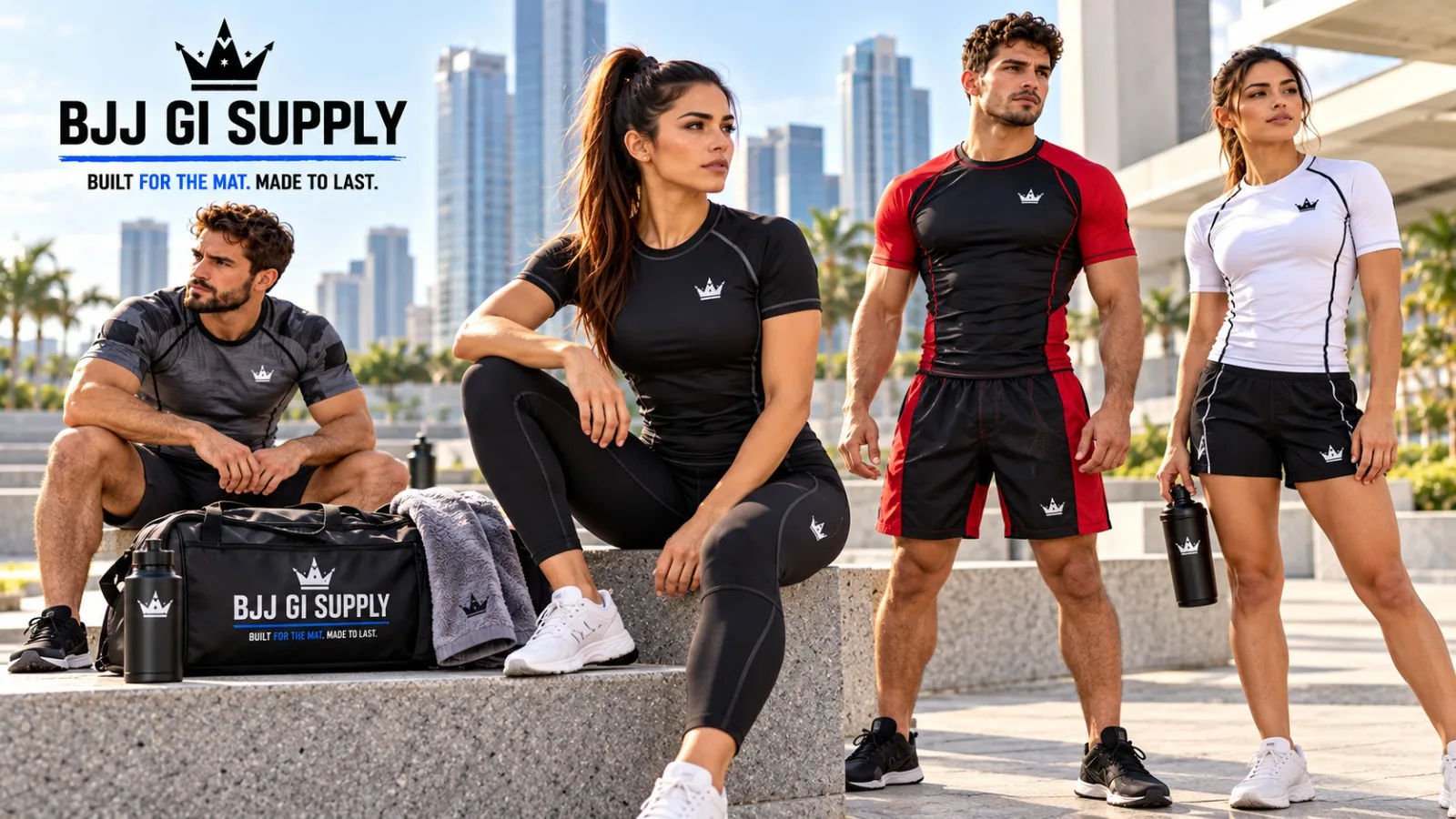
The best winter clothing is not simply about wearing thick jackets or several heavy layers. It is about selecting materials that keep your body warm, manage sweat, and protect you from changing weather conditions. The right combination of clothing allows you to move freely while maintaining a comfortable body temperature.
When choosing Sports Wears for winter, consider the activity you plan to do, the temperature outside, and how much you expect to sweat. Someone running in cool weather may need lightweight layers, while a person skiing in snowy conditions will require insulated clothing and waterproof protection. Understanding these differences makes it easier to build a practical winter wardrobe that supports both comfort and performance.
1. Thermal Tops for Warmth and Comfort
Thermal tops are among the most useful clothing items for winter workouts. They are designed to help retain body heat while allowing moisture to move away from the skin.
Unlike ordinary cotton T-shirts, many thermal sports tops use technical fabrics that dry quickly and remain comfortable during movement. They are available in lightweight, medium-weight, and heavyweight versions to suit different temperatures.
Why Thermal Tops Are Important
During exercise, your body produces heat and sweat. If moisture stays against your skin in cold weather, you may feel uncomfortable and lose heat more quickly when you slow down.
Thermal tops help manage this problem by providing an insulating layer while moving moisture away from the body. They also fit close to the skin, making them easy to wear under jackets, hoodies, and other outer layers.
How to Choose the Right Thermal Top
For running, gym sessions, and brisk walking, choose a lightweight or medium-weight thermal top that allows unrestricted movement. For longer outdoor activities in freezing conditions, a warmer base layer may be more suitable.
Look for flat seams, comfortable cuffs, and a fit that feels supportive without being too tight. Merino wool and synthetic performance fabrics are popular options because they offer useful combinations of insulation and moisture management.
2. Winter Sports Jackets
A inter sports jacket provides protection against cold winds, rain, and, in some cases, snow. It is particularly useful for outdoor activities where weather conditions can change quickly.
However, not every winter jacket is suitable for exercise. Heavy everyday coats can restrict movement and trap too much heat, especially during running or cycling.
Windproof Jackets for Outdoor Exercise
Windproof jackets are useful for runners, cyclists, and people who walk outdoors during cold weather. Wind can remove heat from the body, making the air feel colder than the actual temperature.
A lightweight wind-resistant jacket helps reduce this effect without adding excessive bulk. Many designs include adjustable cuffs, secure pockets, and ventilation features.
Waterproof Jackets for Rain and Snow
If you exercise in wet conditions, consider a waterproof or water-resistant jacket. Waterproof materials provide stronger protection against rain, while water-resistant fabrics are often better suited to light showers.
Breathability is equally important. A jacket that prevents rain from entering but traps too much sweat can leave you feeling damp inside.
For winter hiking and other extended outdoor activities, look for a jacket that balances weather protection, ventilation, and freedom of movement.
Insulated Jackets for Very Cold Conditions
Insulated jackets are useful when temperatures are particularly low or when you spend long periods outdoors with limited movement.
Synthetic insulation can be practical in damp conditions, while down insulation offers a high warmth-to-weight ratio but requires suitable care when wet. Choose insulation according to your activity, weather, and expected level of exertion.
3. Sports Leggings, Joggers, and Thermal Trousers
Choosing suitable bottoms is just as important as selecting a warm top. Your legs need enough protection from cold air while remaining flexible during running, stretching, cycling, or strength training.
Sports leggings, thermal tights, joggers, and insulated trousers are all useful options. The best choice depends on the activity and the weather.
Thermal Leggings for Running
Thermal leggings are an excellent option for people who run or walk outdoors in cold weather. They fit close to the body, reduce unnecessary fabric movement, and provide insulation without making movement difficult.
Some styles include a brushed inner surface that feels soft and warm against the skin. Others use lightweight technical fabrics designed to manage sweat during intense exercise.
For colder conditions, you can wear thermal leggings beneath loose-fitting sports trousers for additional insulation.
Joggers for Everyday Training
Sports joggers are comfortable for warm-ups, casual outdoor workouts, and low-intensity activities. Fleece-lined joggers are particularly useful when temperatures drop.
Choose joggers with an adjustable waistband and flexible fabric. Elasticated cuffs can also help keep cold air from entering around the ankles.
However, very thick joggers may become uncomfortable during vigorous exercise. Lightweight performance joggers are often better when you expect to generate considerable body heat.
Insulated Trousers for Outdoor Adventures
Hiking, skiing, and snowboarding may require trousers that provide stronger protection against cold, wind, and moisture.
Softshell trousers are useful for many cold-weather activities because they combine flexibility with wind resistance. Waterproof insulated trousers may be more appropriate for wet snow or particularly harsh conditions.
Always consider the demands of your sport before choosing the thickness of your clothing.
4. Hoodies and Fleece Sweatshirts
Hoodies and fleece sweatshirts are popular winter clothing choices because they provide warmth and comfort. They are especially useful for warm-ups, casual exercise, outdoor walks, and travel to and from the gym.
Fleece is generally lightweight, soft, and effective at trapping warm air. It can provide useful insulation without the weight of a thick winter coat.
When Should You Wear a Sports Hoodie?
A sports hoodie is a good option for low- to moderate-intensity activities in cool weather. You can wear it over a thermal top and remove it if you become too warm.
A full-zip or half-zip design is particularly practical because it allows you to adjust ventilation easily.
For high-intensity exercise, a technical sweatshirt made from breathable material may be more comfortable than a thick cotton hoodie. Cotton can absorb sweat and dry slowly, which is less suitable when you are exercising outdoors in cold conditions.
Choosing the Right Fleece
Look for fleece garments that feel warm without restricting your shoulders and arms. If you plan to wear a jacket over the sweatshirt, choose a design that fits comfortably underneath it.
A hood can offer extra protection for your head and neck, although a separate sports hat may be easier to manage during running or cycling.
5. Winter Sports Socks
Socks may seem like a small part of your winter outfit, but they can make a significant difference to comfort. Cold feet can distract you from exercise, while damp socks may increase the risk of blisters.
Winter sports socks should provide warmth, manage moisture, and fit properly inside your footwear.
Merino Wool and Synthetic Socks
Merino wool socks are popular for winter activities because they provide insulation and can help manage moisture. Synthetic performance socks are another useful choice because they often dry quickly and are designed for athletic movement.
Avoid choosing socks solely because they are thick. If they make your shoes too tight, they may restrict circulation and leave your feet feeling colder.
For hiking, select socks designed for the distance and footwear you plan to use. For running, lightweight or medium-weight performance socks may be more comfortable.
Keeping Your Feet Dry
Moisture management is particularly important during long outdoor sessions. Change out of wet socks after exercise and allow your footwear to dry properly.
If you participate in snow sports, consider socks specifically designed for ski or snowboard boots. These often provide targeted cushioning without creating unnecessary bulk.
6. Winter Sports Shoes and Boots
The right footwear protects your feet and helps you maintain stability on cold, wet, or slippery surfaces. Regular trainers may be sufficient for indoor workouts, but outdoor winter activities can require additional protection.
Running Shoes for Cold Weather
If you run on ordinary roads or paved paths, choose running shoes with a comfortable fit, dependable traction, and enough room for suitable winter socks.
For wet conditions, water-resistant uppers may help keep your feet comfortable. Trail-running shoes can be useful on muddy paths because they often feature outsoles designed for better grip on uneven ground.
Remember that waterproof shoes can feel warmer but may also retain heat during intense activity. Choose according to your typical conditions.
Hiking Boots for Winter Trails
Winter hiking often requires shoes or boots with stronger traction, supportive construction, and protection against moisture.
Waterproof hiking boots are useful in wet environments, while insulated versions can provide extra warmth in snowy conditions. The correct choice depends on the terrain, temperature, and length of the hike.
Footwear for Snow Sports
Skiing and snowboarding require specialist boots designed to work with the relevant equipment. Ordinary running shoes or hiking boots are not suitable substitutes.
Always make sure your footwear fits properly and is appropriate for the sport you intend to perform.
7. Gloves, Beanies, and Other Winter Accessorie
Accessories help protect body pars that may become uncomfortable when exposed to cold air. They are particularly useful during outdoor workouts in windy or freezing conditions.
Sports Gloves
Sports gloves protect your hands from cold temperatures and wind. Lightweight running gloves are suitable for many cool-weather workouts, while insulated waterproof gloves are more appropriate for snow sports.
Cyclists may benefit from gloves with grip-enhancing palms and padding. If you participate in activities involving equipment, make sure your gloves allow you to maintain a secure grip.
Beanies and Headbands
A lightweight sports beanie can help keep your head warm during running, walking, and outdoor training.
Headbands are another option because they cover the ears while allowing heat to escape from the top of the head. They can be especially comfortable during more intense workouts.
Choose breathable fabrics that manage moisture rather than retaining sweat.
Neck Gaiters and Scarves
A neck gaiter can protect your neck and lower face from cold air. It is useful for hiking, walking, skiing, and other outdoor activities.
Choose a design that feels comfortable and does not interfere with breathing. During strenuous exercise, avoid covering your mouth and nose with wet fabric that makes breathing difficult.
8. What Sportswear Is Best for Different Winter Activities?
The most suitable winter outfit depends on what you plan to do. Different sports require different levels of warmth, flexibility, and protection.
Running and Brisk Walking
For running, wear a moisture-wicking base layer, lightweight leggings or running trousers, and a wind-resistant jacket when necessary.
Add gloves and a hat if your hands and ears become cold. Choose reflective clothing or accessories if you exercise in low-light conditions.
The goal is to stay comfortable without overheating as your body temperature rises.
Football and Outdoor Team Sports
Football players need clothing that allows fast movement, quick turns, and comfortable running.
A thermal base layer, lightweight training top, flexible sports trousers for warm-ups, and suitable football boots can provide a practical starting point. During matches, players should follow their team's equipment requirements and competition rules.
Avoid bulky layers that interfere with movement or make it difficult to control the ball.
Hiking and Camping
Hiking requires clothing that can adapt to changing temperatures and activity levels.
A useful combination includes a moisture-wicking base layer, an insulating fleece, a protective outer jacket, comfortable hiking trousers, and suitable boots.
Bring additional layers when conditions may become colder. Weather can change quickly in mountainous areas, so preparation is essential.
Gym Training
Indoor workouts usually require less insulation because the temperature is controlled.
Breathable T-shirts, flexible leggings or shorts, and comfortable training shoes are often enough. You may wear a hoodie during your warm-up and remove it once your body becomes warmer.
Heavy winter clothing can trap too much heat during intense indoor exercise.
Skiing and Snowboarding
Snow sports require specialised clothing because participants may experience cold temperatures, wind, falling snow, and contact with wet surfaces.
Wear a suitable base layer, insulating mid-layer, waterproof outer jacket, snow trousers, warm socks, gloves, and specialist boots.
A properly fitted helmet and suitable eye protection are also important safety equipment. Your clothing should provide warmth without restricting balance or movement.
9. Understanding the Three-Layer Clothing System
One of the easiest ways to dress for winter exercise is to follow the three-layer system. This approach allows you to adjust your clothing according to your activity level and the weather.
Base Layer: Manage Sweat
The base layer sits directly against your skin. Its main purpose is to move sweat away from your body while providing a comfortable starting layer.
Choose synthetic performance fabric or merino wool. Avoid ordinary cotton as your primary base layer during cold outdoor exercise because it absorbs moisture and dries slowly.
Mid-Layer: Keep Your Body Warm
The mid-layer traps warm air and helps maintain a comfortable body temperature.
Fleece tops, lightweight insulated jackets, and suitable wool garments can serve this purpose. Choose the thickness according to the temperature and the intensity of your activity.
For example, a runner may need only a thin fleece in cool weather, while a hiker in freezing conditions may require a heavier insulating layer.
Outer Layer: Protect Against Weather
The outer layer shields you from wind, rain, and snow. Depending on the conditions, it may be a windbreaker, a waterproof shell, or an insulated winter jacket.
Breathability is important because it allows excess heat and moisture to escape. You should also be able to open or remove layers when your body becomes warmer.
Using this system makes Sports Wears brazilian jiu jitsu gi manufacturers more versatile because you can combine different garments instead of buying a separate heavy outfit for every winter activity.
10. How to Choose the Best Winter Sportswear
Selecting suitable winter clothing becomes easier when you consider a few essential factors before buying.
Check the Fabric
Fabric affects warmth, breathability, flexibility, and drying time. Synthetic performance materials are often useful for intense exercise, while merino wool can provide warmth and moisture management.
Waterproof materials are important for wet conditions, but they should offer adequate ventilation for your activity.
Focus on Fit and Flexibility
Clothing should allow you to bend, stretch, run, and move comfortably. Tight garments that restrict movement are unsuitable, while excessively loose layers may interfere with sports equipment.
Try your clothes with the layers you expect to wear underneath them.
Consider Your Local Weather
Winter conditions vary considerably between regions. Mild winters may require only a lightweight jacket and long-sleeved top, while freezing temperatures demand more insulation and stronger weather protection.
Check the temperature, wind, and precipitation forecast before planning an outdoor workout.
Think About Visibility and Safety
Shorter daylight hours can make winter exercise more difficult to see. Reflective details, bright clothing, and suitable lights can help improve visibility around roads and cycling routes.
For icy conditions, choose footwear with suitable traction and avoid unsafe surfaces when possible.
Choose Quality Over Excessive Quantity
You do not need a huge wardrobe to exercise comfortably in winter. A few well-chosen base layers, an insulating mid-layer, a protective jacket, suitable bottoms, and appropriate accessories can cover many activities.
Prioritise garments that suit your climate, fit properly, and can be used for more than one sport.
Conclusion
Choosing the right winter sports clothing is essential for staying comfortable, maintaining performance, and enjoying physical activity when temperatures fall. The best outfit depends on the sport, weather conditions, and the amount of heat your body generates during exercise.
Thermal tops and moisture-wicking base layers help manage sweat, while insulated jackets and fleece sweatshirts provide additional warmth. Thermal leggings, sports joggers, winter trousers, and suitable footwear protect your lower body without limiting movement. Gloves, beanies, sports socks, and neck gaiters provide extra comfort when the weather becomes colder.
The three-layer system is a particularly useful approach because it combines moisture management, insulation, and weather protection. By adjusting these layers, you can prepare for everything from a short morning run to a demanding winter hike.
When purchasing Sports Wears, pay attention to fabric quality, fit, breathability, and the demands of your chosen activity. Avoid wearing excessive layers that cause overheating, and remember that wet clothing can become uncomfortable in cold conditions. For skiing and other specialised activities, select appropriate equipment and clothing designed for the specific environment.
Winter should not prevent you from staying active. With suitable clothing and sensible preparation, you can continue running, cycling, playing team sports, visiting the gym, or exploring outdoor trails throughout the colder months.
Ultimately, the best winter outfit is one that keeps you warm without making you uncomfortable, supports your movement, and protects you from the conditions you are likely to face. By making thoughtful choices, you can enjoy your favourite activities with greater confidence and comfort all winter long.