For many trucking companies and independent owner-operators, finding loads, negotiating rates, planning routes, and managing paperwork can take almost as much time as driving. This is where Trucker's Guide dispatch services can become valuable. Dispatch services help truckers manage the business side of transportation so they can spend more time focused on safe and efficient driving.
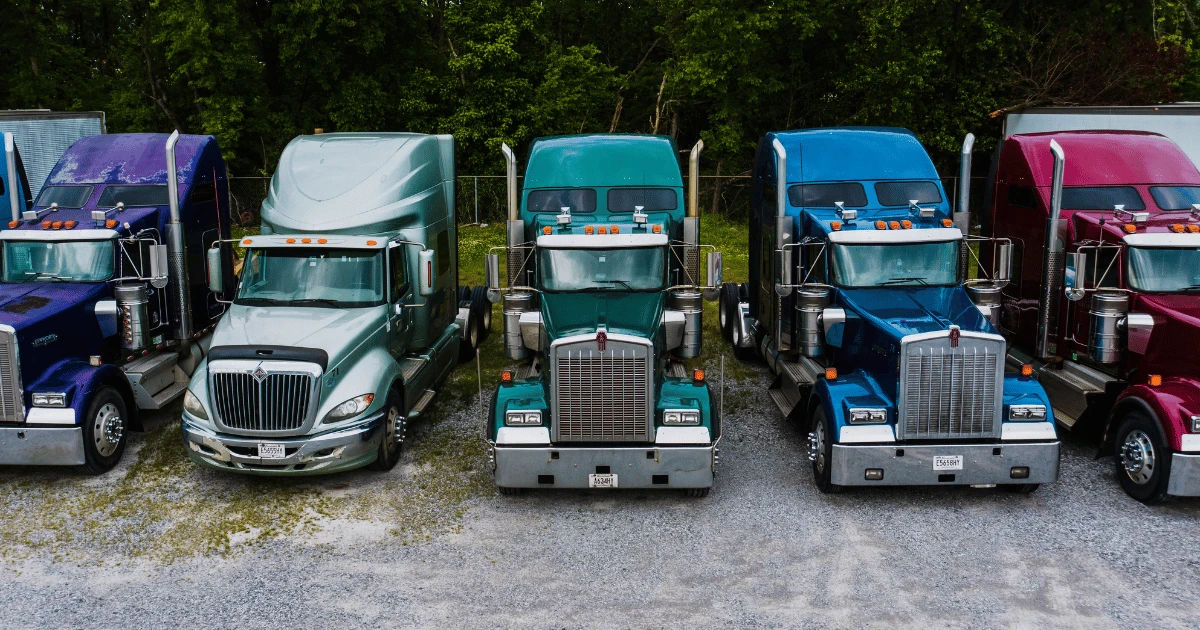
A professional dispatcher works as a communication and administrative partner for a carrier. Depending on the service agreement, the dispatcher may search for suitable freight, communicate with brokers, negotiate rates, organize load information, and help keep paperwork in order. The exact responsibilities can vary, so carriers should understand how dispatching works before choosing a provider.
In simple terms, Trucker's Guide dispatch services connect available trucks with freight opportunities while helping organize the process from load selection to delivery. The goal is not simply to find a load. Effective dispatching considers the truck's location, equipment type, preferred lanes, schedule, revenue goals, and the driver's available hours.
What Is a Truck Dispatch Service?
A truck dispatch service is a business support service designed to help motor carriers and owner-operators handle operational tasks related to finding and managing freight.
A dispatcher typically works on behalf of a carrier. The carrier provides information about its equipment, operating areas, preferred freight, availability, and business requirements. The dispatcher then looks for appropriate loads and communicates with brokers or shippers.
The dispatcher does not normally take over the driver's responsibilities. The driver remains responsible for operating the vehicle safely, following transportation laws, inspecting the truck, and completing the physical transportation of freight.
A good dispatch service creates a bridge between the carrier and the freight market. This can reduce the amount of time a driver spends searching through load opportunities and making repeated phone calls.
How Do Trucker's Guide Dispatch Services Work?
The process generally begins when a carrier gives the dispatcher information about an available truck.
The dispatcher may need to know the truck's location, equipment type, destination preferences, availability date, and preferred freight lanes. Other details can include the carrier's minimum acceptable rate and any restrictions related to cargo.
Once this information is available, the dispatcher begins searching for suitable freight.
Step 1: Understanding the Truck and Driver
Before searching for loads, a dispatcher needs a clear picture of what the truck can handle.
For example, a dry van carrier may need different freight from a flatbed operator. A refrigerated truck, commonly called a reefer, also operates in a different freight market.
The driver's schedule matters as well. A load that looks profitable may not be practical if it creates excessive waiting time or takes the truck far away from desirable markets.
This is why Trucker's Guide dispatch services typically begin with detailed information about the carrier's operating needs.
Step 2: Searching for Available Loads
Dispatchers search for freight through available industry resources, including load boards and broker relationships.
They compare different opportunities based on factors such as pickup location, delivery location, mileage, rate, appointment times, commodity, equipment requirements, and expected deadhead.
The highest-paying load is not automatically the best load.
For example, a load paying $3,000 may appear attractive, but if it requires a long empty drive before pickup and leaves the driver in a difficult market, another load with a lower gross rate could produce a better overall result.
Step 3: Checking Load Details
Before accepting a load, the dispatcher reviews its important requirements.
These may include:
-
Pickup and delivery locations
-
Pickup and delivery dates
-
Appointment times
-
Commodity
-
Weight
-
Equipment requirements
-
Special handling instructions
-
Loading and unloading requirements
-
Rate
-
Detention terms
-
Layover policies
-
Lumper requirements
-
Tracking requirements
Careful review helps prevent avoidable problems.
A dispatcher should also communicate important information to the driver clearly. Drivers need accurate pickup numbers, addresses, appointment details, broker information, and special instructions before starting a trip.
How Does Rate Negotiation Work?
Rate negotiation is another important part of dispatching.
When a dispatcher identifies a promising load, they may contact the broker and discuss the available rate. The initial offer may not always be the final amount.
A dispatcher can use relevant information to determine whether requesting a higher rate is reasonable. Factors can include current market conditions, mileage, equipment availability, route difficulty, timing, and the carrier's operating costs.
However, negotiation does not guarantee a higher rate. Brokers may have limited flexibility, and freight markets can change quickly.
The purpose of negotiation is to seek a fair rate while maintaining realistic expectations.
With Trucker's Guide dispatch services, rate discussions can also save drivers from spending large amounts of time on calls while they are preparing for or completing a trip.
How Is a Load Accepted?
After the dispatcher and broker agree on the basic terms, the carrier must have the appropriate documentation and authorization process in place.
The broker may provide a rate confirmation containing important details about the shipment.
The dispatcher reviews this information and makes sure it matches the agreed terms.
The driver then receives the information needed to complete the shipment.
This stage is important because mistakes in addresses, appointment times, rates, or special instructions can create operational problems later.
What Happens During the Trip?
Dispatching does not necessarily end once a load is booked.
Depending on the agreement, the dispatcher may continue communicating with the driver and broker during transportation.
For example, if a driver encounters a significant delay, the dispatcher may communicate with the broker about the situation.
If the driver experiences a mechanical issue or an unexpected problem, the dispatcher may also help coordinate communication.
However, the dispatcher does not replace the driver's responsibility for safety or vehicle operation.
The driver remains the person physically responsible for transporting the freight.
How Does Delivery Paperwork Work?
Documentation is an important part of trucking.
After delivery, the carrier may need to provide documents such as a signed bill of lading, proof of delivery, or other required paperwork.
A dispatcher may help organize these documents or make sure they are submitted to the appropriate party, depending on the services included in the agreement.
Accurate paperwork can help reduce delays in the payment process.
This is one reason Trucker's Guide dispatch services can be useful for smaller carriers that do not have a dedicated office employee handling administrative responsibilities.
How Dispatch Services Help Owner-Operators
Owner-operators often have to manage several responsibilities at once.
They may need to drive, inspect their equipment, communicate with brokers, search for loads, negotiate rates, manage paperwork, monitor expenses, and plan their next trip.
Trying to handle every responsibility alone can be exhausting.
A dispatcher can take responsibility for some of the administrative workload.
This allows the owner-operator to focus more attention on driving and equipment management.
The value of a dispatch service depends heavily on the quality of the provider. A dispatcher who understands freight markets, communication, scheduling, and carrier needs can provide much greater value than someone who simply searches for the first available load.
How Dispatchers Plan Better Routes
Load selection and route planning are closely connected.
A dispatcher should consider where the truck will be after completing a load. This is often called planning the next move.
Suppose a truck delivers in an area where freight is limited. Accepting a load into that area might create a difficult return trip.
On the other hand, a slightly lower-paying load could position the truck near a strong freight market.
Effective dispatching therefore considers both the current trip and future opportunities.
This broader approach can help carriers reduce unnecessary empty miles and improve overall utilization.
What Are Deadhead Miles?
Deadhead miles are miles driven without a paying load.
They can reduce profitability because the truck consumes fuel and incurs operating expenses without generating freight revenue.
Dispatchers try to minimize unnecessary deadhead when possible.
However, eliminating all empty miles is unrealistic. Sometimes a carrier must travel empty to reach better freight.
Trucker's Guide dispatch services can help evaluate these decisions by considering the relationship between loaded miles, empty miles, rate, destination, and future freight availability.
What Equipment Does Dispatching Cover?
Dispatch services can support different types of trucking equipment.
Dry Van
Dry vans transport a wide range of general freight. They are common in many commercial freight markets.
Reefer
Refrigerated equipment is used for temperature-sensitive products. Reefer freight can involve additional requirements related to temperature, appointment scheduling, and equipment operation.
Flatbed
Flatbed operations often involve construction materials, machinery, steel, lumber, and other cargo. Loads may require securement procedures and specialized handling.
Step Deck and Specialized Equipment
Step decks and other specialized trailers may handle freight that cannot be transported efficiently using standard equipment.
Because each equipment type has different requirements, a dispatcher should understand the carrier's equipment before searching for freight.
How Communication Affects Dispatching
Communication is one of the most important parts of successful dispatching.
The dispatcher needs accurate information from the driver.
The driver needs accurate information from the dispatcher.
The broker needs timely updates when circumstances change.
Poor communication can result in missed appointments, incorrect paperwork, unnecessary delays, and unhappy customers.
Good communication should be clear and direct.
Drivers should know where they are going, when they need to arrive, what freight they are carrying, and what instructions apply to the shipment.
How Much Do Dispatch Services Cost?
Dispatch services can use different pricing structures.
Some providers charge a percentage of the gross revenue generated from dispatched loads. Others may use flat fees or different arrangements depending on the services provided.
Carriers should carefully review the agreement before signing.
Important questions include:
-
What services are included?
-
How is the fee calculated?
-
When is the fee charged?
-
Are there additional charges?
-
Who handles paperwork?
-
Who negotiates rates?
-
How are cancellations handled?
-
Can the carrier choose or reject loads?
-
What happens if there is a dispute?
Understanding the pricing structure prevents confusion later.
What Should You Look for in a Dispatch Service?
Choosing a dispatch provider requires more than comparing prices.
Experience is important because trucking involves complicated schedules, freight requirements, and business relationships.
Communication should also be considered. A dispatcher should be reasonably accessible and provide clear updates.
Transparency matters as well. Carriers should understand exactly what the dispatcher does and what the carrier remains responsible for.
A good service should work toward the carrier's business goals rather than simply booking as many loads as possible.
When evaluating Trucker's Guide dispatch services, carriers should look for professionalism, clear agreements, industry knowledge, responsiveness, and an approach that considers long-term profitability.
Common Mistakes to Avoid
One common mistake is accepting every available load.
A load should be evaluated based on its complete financial and operational picture.
Another mistake is focusing only on gross revenue. Fuel, maintenance, insurance, tolls, driver costs, and other expenses affect actual profitability.
Poor route planning can also create unnecessary deadhead.
Another issue is failing to read rate confirmations carefully.
Finally, carriers should avoid working with providers that make unrealistic promises. No legitimate dispatcher can guarantee that every load will be highly profitable or that market conditions will always remain favorable.
Dispatching and Compliance
Dispatching operates within a regulated transportation industry, so carriers should understand their legal and regulatory responsibilities.
The exact requirements can vary based on the carrier's operations, equipment, cargo, and jurisdiction.
A dispatcher should not encourage a driver to violate hours-of-service requirements or ignore safety rules simply to meet a delivery appointment.
Safety must remain a priority.
Drivers should always follow applicable regulations and company policies.
The carrier also needs to understand the difference between dispatching and other transportation-related services, including brokerage. The legal responsibilities can differ depending on the activities performed and the business arrangement.
Benefits of Professional Dispatching
Professional dispatching can provide several potential benefits.
First, it can save time.
Instead of spending hours searching for freight and making calls, the driver can focus more on transportation.
Second, dispatching can improve organization.
Load details, broker communication, and paperwork can be managed more systematically.
Third, experienced dispatchers may identify opportunities that an inexperienced carrier could overlook.
Fourth, dispatching can help with planning. Instead of treating every load as an isolated trip, the dispatcher can consider the truck's next location and future freight opportunities.
These advantages explain why many small carriers consider services such as Trucker's Guide dispatch services as part of their broader business strategy.
Are Dispatch Services Right for Every Truck Driver?
Not necessarily.
Some experienced owner-operators prefer handling their own load searches and negotiations.
They may already have strong broker relationships and understand their preferred lanes.
Other drivers may prefer to focus almost entirely on transportation while someone else manages administrative tasks.
The right choice depends on experience, available time, business goals, and comfort with freight negotiation.
A carrier should calculate whether the time saved and potential operational benefits justify the dispatch fee.
Tips for Getting the Most From a Dispatcher
Start by communicating your goals clearly.
Tell the dispatcher which areas you prefer, which areas you want to avoid, your equipment type, and any scheduling limitations.
Be realistic about rates and lanes.
Provide accurate information about truck availability.
Respond promptly when the dispatcher needs confirmation.
Review load documents carefully.
Also, communicate problems as soon as they happen rather than waiting until the last moment.
A strong dispatcher-carrier relationship depends on cooperation from both sides.
The Future of Truck Dispatching
Technology continues to change the trucking industry.
Digital load boards, transportation management systems, electronic documentation, GPS tracking, automated communication, and data analysis are making dispatch operations more efficient.
Artificial intelligence and automation may also help identify freight opportunities, estimate routes, analyze market conditions, and organize administrative tasks.
However, technology does not completely replace human judgment.
A dispatcher still needs to understand the carrier's preferences, communicate effectively, handle unexpected situations, and make practical decisions.
The combination of technology and experienced human support is likely to remain important.
Conclusion
Understanding how dispatching works helps truckers make better business decisions. A dispatch service can take on important administrative and freight-related responsibilities, including load searching, broker communication, rate negotiation, scheduling support, route planning, and paperwork organization.
The most effective approach is not simply to find the highest-paying load. A good dispatch strategy considers the entire trip, including empty miles, fuel expenses, delivery schedules, equipment requirements, and the truck's next location.
Trucker's Guide dispatch services can provide valuable support when they are built around communication, careful load selection, realistic financial expectations, and professional service.
For an owner-operator or small carrier, delegating certain responsibilities can make daily operations easier and more organized. However, carriers should always evaluate the provider carefully, understand the service agreement, and make sure the arrangement fits their business needs.
Ultimately, successful dispatching is about making informed decisions before, during, and after every trip. When a dispatcher and carrier communicate well and work toward the same operational goals, the result can be a more organized trucking business with less administrative pressure. Whether a carrier chooses to dispatch independently or work with a professional provider, understanding the process remains one of the best ways to manage freight efficiently and protect long-term profitability.