Abstract vertical art has become one of the biggest trends in modern interior design, home décor, and commercial spaces. From luxury homes and apartments to hotels, offices, and cafés, people are increasingly choosing vertical art because it creates a bold visual statement while fitting beautifully into narrow walls and contemporary interiors.
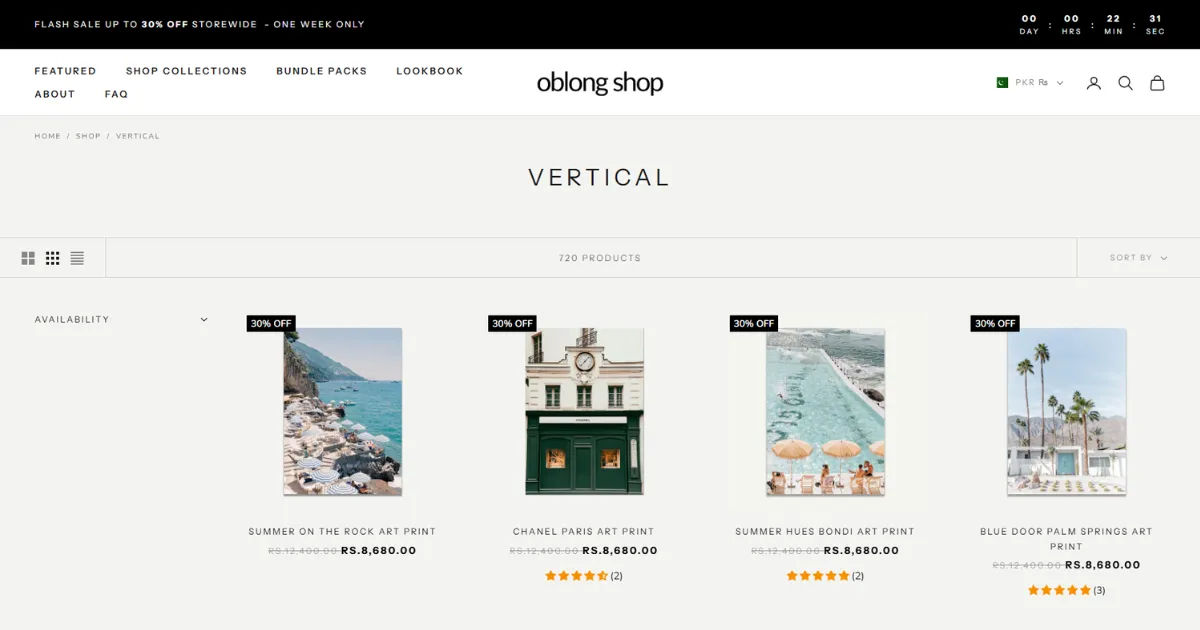
Unlike traditional landscape-oriented artwork, vertical art naturally guides the viewer's eyes upward, making rooms feel taller, more elegant, and more spacious. Combined with abstract designs that encourage personal interpretation, this artistic style has become a favorite among homeowners, interior designers, architects, and collectors alike.
In today's world, where minimalism, personalization, and modern aesthetics influence decorating decisions, abstract vertical artwork perfectly balances creativity and functionality. Whether displayed as a single oversized statement piece or part of a gallery arrangement, it adds sophistication without overwhelming a room.
This guide explores why abstract vertical art is trending, what makes it unique, where it works best, how to choose the right piece, and why its popularity continues to grow across homes and businesses worldwide.
What Is Abstract Vertical Art?
Abstract vertical art refers to artwork that combines abstract design elements with a portrait (vertical) orientation. Instead of depicting realistic subjects, abstract pieces use colors, textures, brushstrokes, geometric shapes, and flowing patterns to communicate emotions, movement, or ideas.
The vertical layout distinguishes these works from traditional horizontal paintings. Rather than emphasizing width, the design naturally highlights height, making it ideal for walls that would otherwise feel empty or awkward.
Many artists use acrylic paint, oil paint, mixed media, textured materials, digital illustration, or resin techniques to create visually striking abstract compositions. The result is artwork that feels contemporary while remaining timeless.
Why Is Abstract Vertical Art So Popular?
Several design trends have contributed to the growing demand for abstract vertical artwork.
Modern homes often feature open floor plans, high ceilings, and minimal decoration. Instead of filling walls with numerous small decorations, homeowners prefer one dramatic artwork that becomes the room's focal point.
Abstract artwork also provides flexibility. Since it doesn't represent a specific scene or object, viewers can interpret its meaning differently. This emotional connection makes each piece feel unique.
The vertical orientation further enhances visual balance, especially in spaces where wall height exceeds available width.
The Rise of Modern Interior Design
Modern interior design has shifted toward simplicity, clean lines, and uncluttered spaces.
Rather than decorating every surface, designers now focus on selecting fewer but more impactful decorative elements. Large abstract paintings naturally fit this philosophy.
Vertical compositions help fill empty walls without overcrowding furniture arrangements. This creates harmony while maintaining an open, spacious atmosphere.
As minimalist homes continue gaining popularity, abstract artwork remains an ideal decorative solution.
It Makes Rooms Feel Taller
One major reason designers love vertical artwork is its ability to influence visual perception.
Tall paintings naturally draw the eye upward, creating the illusion of higher ceilings.
This optical effect is especially valuable in:
- Apartments
- Small homes
- Condominiums
- Office spaces
- Hallways
- Entryways
Even standard-height ceilings can appear significantly taller when paired with elongated artwork.
Perfect for Narrow Wall Spaces
Many homes contain narrow walls that are difficult to decorate.
Examples include:
- Between windows
- Beside fireplaces
- Staircases
- Hallways
- Entry entrances
- Next to bookshelves
- Small office walls
Traditional landscape artwork often appears too wide for these areas.
Vertical pieces solve this challenge perfectly by filling height instead of width.
Abstract Art Matches Almost Every Style
One of abstract art's greatest strengths is versatility.
It complements numerous decorating styles, including:
Minimalist
Neutral colors and simple compositions enhance clean interiors.
Contemporary
Bold colors and expressive brushstrokes add excitement.
Scandinavian
Soft textures pair beautifully with natural wood furniture.
Industrial
Concrete walls and metal finishes benefit from colorful abstract accents.
Luxury Modern
Large textured artwork creates elegance and sophistication.
Transitional
Abstract pieces bridge traditional and modern elements effortlessly.
It Creates an Emotional Experience
Unlike realistic paintings, abstract artwork encourages imagination.
Every viewer experiences something different.
Some people notice movement.
Others feel calm.
Some see landscapes.
Others recognize emotions or memories.
This open interpretation creates a stronger emotional bond between the artwork and the viewer.
Instead of simply decorating a room, abstract art creates conversation.
Social Media Has Increased Its Popularity
Platforms like Instagram, Pinterest, and design blogs have dramatically influenced decorating trends.
Beautifully designed interiors featuring oversized abstract artwork receive millions of views each year.
Interior designers frequently showcase:
- Living rooms
- Luxury apartments
- Boutique hotels
- Coffee shops
- Home offices
- Dining spaces
As homeowners seek similar aesthetics, demand continues growing.
It Works in Every Room
One reason abstract artwork remains popular is its versatility.
Living Room
Large statement pieces become the room's centerpiece.
Bedroom
Soft abstract colors promote relaxation.
Dining Room
Modern artwork enhances entertaining spaces.
Home Office
Creative artwork inspires productivity.
Hallway
Vertical designs prevent narrow corridors from feeling empty.
Entryway
Guests immediately notice impressive artwork upon arrival.
Businesses Also Love Abstract Artwork
Commercial spaces increasingly invest in abstract paintings.
These include:
- Hotels
- Restaurants
- Medical offices
- Corporate offices
- Reception areas
- Salons
- Retail stores
Abstract designs create a welcoming atmosphere while projecting professionalism.
Unlike highly personal artwork, abstract pieces appeal to diverse audiences.
Color Psychology Adds Visual Impact
Colors influence emotions.
Abstract artists intentionally use color combinations to create different moods.
Blue
Represents calmness and stability.
Green
Suggests nature and balance.
Black
Adds sophistication and drama.
Gold
Creates luxury.
White
Enhances simplicity.
Red
Adds excitement and energy.
Because abstract art relies heavily on color rather than recognizable subjects, viewers respond emotionally before intellectually.
Texture Makes Artwork Feel Alive
Modern abstract artists often use textured techniques.
These include:
- Palette knife painting
- Thick acrylic layers
- Modeling paste
- Mixed media
- Metallic finishes
- Resin coating
Texture changes throughout the day as lighting shifts, making artwork appear dynamic instead of static.
Large Statement Pieces Are Trending
Interior design increasingly favors fewer decorations with greater impact.
Instead of several small frames, homeowners often select one oversized artwork.
Large vertical pieces naturally become conversation starters.
They simplify decorating while creating luxurious visual appeal.
The Influence of Minimalism
Minimalism emphasizes quality over quantity.
Rather than filling walls with excessive décor, people choose meaningful statement pieces.
Abstract artwork supports this philosophy because one painting can completely transform a room.
This makes decorating simpler while maintaining elegance.
It Supports Personal Expression
Every homeowner wants their living space to feel unique.
Abstract artwork allows individuals to express personality without following strict decorating rules.
Some people prefer bold geometric patterns.
Others enjoy soft flowing brushstrokes.
Some choose monochromatic palettes.
Others embrace vibrant colors.
The possibilities are nearly endless.
Easier to Coordinate with Furniture
Realistic paintings often contain specific themes that limit decorating options.
Abstract artwork is much easier to coordinate with:
- Sofas
- Rugs
- Curtains
- Accent pillows
- Lighting
- Flooring
- Decorative accessories
Designers frequently select artwork after choosing furniture because abstract compositions adapt well to existing color palettes.
Suitable for Every Budget
Abstract artwork exists across nearly every price range.
Options include:
- Original paintings
- Canvas prints
- Limited editions
- Digital prints
- Handmade textured canvases
- Custom commissions
This accessibility has introduced abstract collecting to a much wider audience.
Technology Has Expanded Access
Online art marketplaces have transformed how people purchase artwork.
Consumers can now:
- Browse thousands of artists.
- Compare sizes.
- Preview artwork in rooms.
- Customize dimensions.
- Order worldwide.
Virtual visualization tools also help buyers see artwork before purchasing.
This convenience continues driving popularity.
Sustainability Matters
Many artists now create artwork using environmentally responsible materials.
Examples include:
- Recycled canvas
- Water-based paints
- Sustainable wood frames
- Eco-friendly packaging
Consumers increasingly appreciate artwork that aligns with environmentally conscious values.
How to Choose the Right Abstract Vertical Piece
Finding the perfect artwork requires thoughtful consideration.
Measure Your Wall
Always determine available height and width before purchasing.
Consider Room Colors
Choose artwork that complements rather than duplicates your existing palette.
Think About Lighting
Natural and artificial lighting influence how colors appear.
Match the Mood
Calm spaces benefit from softer designs.
Creative environments often suit bold colors.
Balance the Space
Avoid artwork that feels either too small or overwhelmingly large.
Common Decorating Mistakes to Avoid
Even beautiful artwork can lose impact if displayed incorrectly.
Avoid:
- Hanging artwork too high
- Choosing the wrong size
- Ignoring lighting
- Overcrowding walls
- Mismatching color schemes
- Using frames that compete with the artwork
Proper placement dramatically improves visual appeal.
Future Trends in Abstract Vertical Art
The popularity of abstract artwork shows no signs of slowing down.
Emerging trends include:
- Oversized textured canvases
- Neutral earth-tone palettes
- Metallic accents
- Organic brush movements
- Sustainable materials
- Mixed-media techniques
- Handcrafted finishes
- Custom commissioned artwork
As homes continue embracing clean, modern aesthetics, abstract artwork will likely remain a defining design element.
Why Homeowners Continue Choosing Abstract Vertical Art
People increasingly value interiors that reflect individuality while remaining functional.
Abstract artwork satisfies both goals.
It creates visual interest.
It complements nearly every decorating style.
It works in homes and businesses alike.
It transforms empty walls into memorable design features.
Perhaps most importantly, abstract artwork never dictates a single meaning. Instead, it allows every viewer to discover their own interpretation, making each piece personal and timeless.
Conclusion
Abstract vertical art has become much more than a decorating trend. It represents a shift toward modern living, creative expression, and thoughtful interior design. Its ability to make rooms appear taller, enhance narrow wall spaces, complement virtually every decorating style, and create emotional connections explains why it continues gaining popularity across residential and commercial interiors.
Whether you are decorating a new home, renovating an office, or refreshing a single room, choosing an abstract vertical piece can instantly elevate the overall atmosphere. Its versatility, timeless appeal, and ability to blend color, texture, and emotion make it an investment that remains visually engaging for years to come. As design preferences continue evolving toward simplicity and meaningful aesthetics, abstract vertical art is well positioned to remain a favorite choice among artists, designers, and homeowners around the world.