Introduction
It’s 4 a.m. at the quay, and the fog smells like salt and hot brake pads. Smart logistics hums like a quiet prep kitchen—timers ticking, blades flashing, every move meant to land just in time. Last season, one yard logged 27% idle time between stacks, even after it added more scanners and radios. Forklifts waited. Pickers radioed. Trucks barked at the gate. If a stack line loses 90 seconds per move, a ship can miss its tide window; the math bites (so do the penalties). Are we orchestrating flow, or just moving chaos faster? Let’s set the table, then carve into what keeps the stack from staying sharp—and why.
Under the Hood: Why the Stack Trips Up
What breaks first?
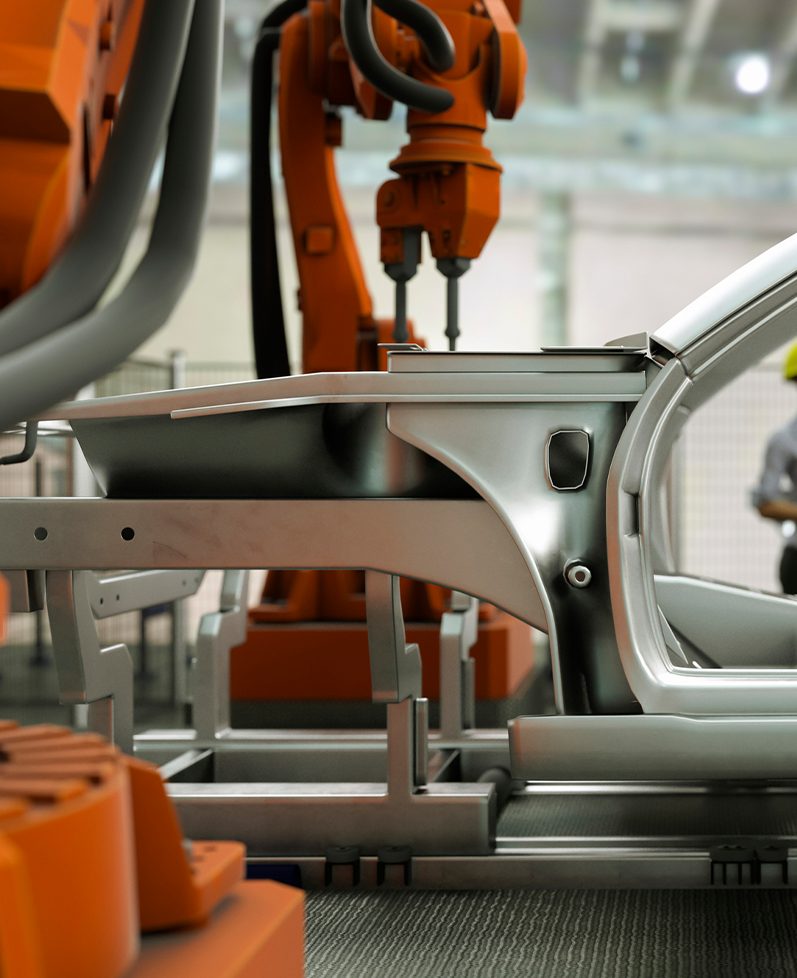
Most yards buy automated stacking cranes expecting perfect arcs and clean lanes. The snag is not the steel. It’s the chain of decisions. Legacy Warehouse Management Systems (WMS) can dispatch jobs in bulk, but they often starve the crane controller or double-feed a lane—funny how that works, right? The Programmable Logic Controller (PLC) is then forced to arbitrate messy priorities in real time. Swing grows. Cycle time creeps. Without edge computing nodes near the rail, sensor fusion gets laggy, so anti-sway and load positioning can’t react fast enough. Result: extra micro-stops, more re-approaches, and a drift in mean time to complete (MTTC). Look, it’s simpler than you think: if upstream intent is jittery, downstream motion gets noisy.
Traditional fixes chase the symptom. Add another camera. Pump up VFD power converters. Tighten speed curves. But if the pick window is uncertain by even 150 milliseconds, oscillation damping fights a moving target. Operators then override auto modes, which hides the glitch but burns the schedule. Energy recapture drops when braking is choppy. Yard lanes clog because AGV slots don’t align with crane releases. The hidden pain point is orchestration—not horsepower. Unless WMS slots, AGV arrivals, and crane kinematics share the same micro-timeline, every “optimization” leaks time in small, costly drips.
Forward Lens: Principles That Change the Stack
What’s Next
We can do better by reworking the control loop. Pair automated stacking cranes with near-rail edge computing nodes that host the motion planner, not just the PLC routines. Feed that planner with fused LiDAR and vision, then freeze intent 200–300 ms before commit. Now anti-sway can lead, not chase. Digital twin models predict deflection and wind gust effects, so the hoist profile adapts mid-lift. A private 5G slice gives deterministic latency to the crane and AGVs, so slot handoffs are atomic—no more “sorry, lane occupied” surprises. And when regenerative braking is routed to a shared DC bus with flywheel storage, energy per move falls without starving acceleration. Small shifts. Big gains.
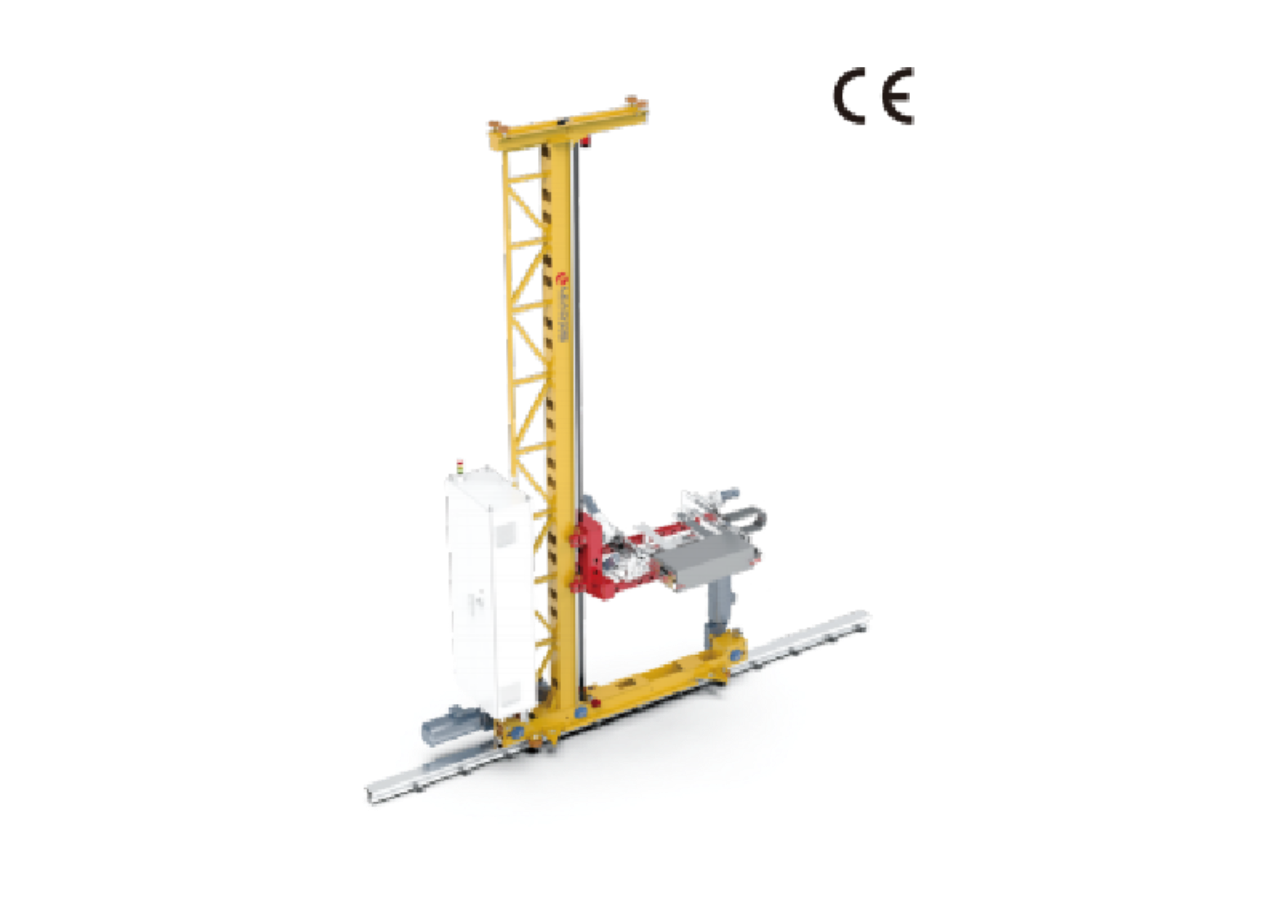
Compared to legacy stacks, this isn’t just faster; it’s calmer. Fewer overrides. Cleaner handoffs. The same steel, but a different kitchen rhythm—mise en place for motion. We addressed the real flaw (jittery intent), then matched control to physics. In short: align dispatch timing, localize compute, and let the model steer the micro-moments. Advisory close: use three metrics when you choose a system—1) cycle time per move at P95, not average; 2) energy per ton-meter with regen efficiency factored; 3) mean time between assists (operator touch) under mixed weather. If those numbers hold in a live yard, your stack will, too—no drama, just flow. For more context on integrated approaches, see LEAD.