Day: May 18, 2026

Detecting the Undetectable AI Edited Image Forgery Detection for Modern OrganizationsDetecting the Undetectable AI Edited Image Forgery Detection for Modern Organizations

As generative models and advanced editing tools become more accessible, the line between authentic and manipulated visual content is blurring. Organizations that depend on image integrity—newsrooms, financial institutions, legal teams, and social platforms—need robust, scalable strategies to identify tampered imagery. AI Edited Image Forgery Detection combines computer vision, digital forensics, and domain knowledge to expose edits that are otherwise invisible to the human eye.

How AI Edited Image Forgery Detection Works: Techniques and Technologies

At the technical core of modern image forgery detection are methods that analyze both visible and hidden signals inside an image. Traditional forensic checks include metadata analysis (EXIF tags, creation timestamps) and sensor-level patterns like Photo-Response Non-Uniformity (PRNU) that act as a camera fingerprint. However, sophisticated edits—especially those produced by GANs and other deep-learning generators—often leave subtle statistical and frequency-domain artifacts that human observers miss.

Deep-learning detectors are trained on large datasets of authentic and manipulated images to learn discriminative patterns. Convolutional neural networks and vision transformers can model texture inconsistencies, anomalous noise distributions, and unnatural blending at boundaries. Frequency analysis (for example, using discrete cosine transform coefficients) complements spatial methods by highlighting periodic artifacts introduced by compression and generative synthesis. Ensemble approaches that combine pixel-level, frequency-domain, and metadata signals generally achieve higher robustness than any single technique.

Explainability and provenance also play a role. Systems that provide visual heatmaps or attribution scores make the detection actionable for forensic analysts and legal workflows by showing why an image was flagged. Meanwhile, cryptographic provenance—hashing, digital signatures, or chain-of-custody records—helps verify origin when available. Because adversaries continuously adapt, the detection stack must include continuous model evaluation, adversarial robustness testing, and human-in-the-loop review to maintain high trust and low false-positive rates.

Operational Scenarios: Real-World Use Cases and Service Integration

Deploying image forgery detection in production requires fitting the technology into existing operational flows. In media verification workflows, journalists use automated scanning to triage user-submitted photos; suspected forgeries are escalated to human fact-checkers for contextual validation. In banking and fintech, image-based identity verification systems couple liveness checks with forgery detection to prevent synthetic IDs and doctored documents during account openings.

Insurance companies flag suspicious claim photos for deeper inspection, reducing fraud payouts and accelerating legitimate claims. Law enforcement agencies use detection tools to verify photographic evidence, while legal teams rely on explainable outputs and provenance records to support admissibility. Social platforms integrate detectors into moderation pipelines to limit the spread of manipulated content during breaking events.

Integration options range from on-device lightweight models for edge verification to cloud-based APIs for high-throughput enterprise deployments. A hybrid approach—batch analysis for bulk ingestion plus real-time checks for user-facing actions—strikes a balance between speed and accuracy. Teams can validate suspicious assets using AI Edited Image Forgery Detection as part of a layered defense combining automated scoring, human review, and policy enforcement. Strong data governance, logging, and audit trails are essential for regulated industries to meet compliance and evidentiary requirements.

Challenges, Best Practices, and Future Trends in Image Forgery Detection

Detection faces an evolving adversary: generative models are getting better at hiding artifacts, and targeted attacks can exploit model blind spots. Key challenges include model drift as new editing tools appear, adversarial examples designed to fool detectors, and the scarcity of labeled, high-quality manipulated datasets that reflect real-world diversity. False positives can erode trust, so precision is as critical as recall in operational settings.

Best practices involve multi-layered verification: combine automated forensic scoring with contextual signals (time, geolocation, corroborating sources) and human judgment. Maintain continuous retraining pipelines and adversarial testing labs to keep models current. Adopt provenance standards where possible—cryptographic signing at capture, tamper-evident logs, and secure storage—to reduce reliance on reactive detection. For local and regional deployments, align detection and retention policies with applicable privacy and data-protection laws and consider on-premises options for sensitive environments.

Real-world examples highlight impact: a regional bank detected a forged ID photo during KYC checks and stopped an attempted account takeover before funds moved; a media outlet authenticated a viral protest image, preventing the spread of misinformation; an insurer used forensic flags to prioritize field investigations and reduce fraud-related losses. Looking ahead, cooperation between industry, academia, and regulators will be crucial to standardize benchmarks, share threat intelligence, and develop certification processes that underpin trusted, reliable verification systems. Emerging trends include lightweight on-device detectors, federated learning to share signals without exposing raw data, and improved explainability to support legal and operational decision-making.

Blog

When should roof leak repairs be checked indoors?When should roof leak repairs be checked indoors?

Roof leak repairs are not only about fixing what you see on the roof; they also involve careful indoor inspection to understand the real extent of damage.

Roof leak repairs should always include checking inside the home because water often travels far from the original entry point before showing visible signs.

Roof leak repairs that ignore indoor inspection can miss hidden moisture, mold growth, and structural weakening that may become serious over time.

Many homeowners assume that once the roof is patched, the problem is solved. However, roof leak repairs are only complete when both exterior and interior damage are fully assessed.

This guide explains when and why indoor checks are necessary, what signs to look for, and how to properly inspect your home after a leak.

In this comprehensive guide, we will break down everything in simple terms so you can understand when indoor inspections are essential for effective roof leak repairs and how to prevent future damage.


Why Indoor Checks Matter in Roof Leak Repairs

Indoor inspections are a critical part of roof leak repairs because water rarely stays where it enters. It often moves along beams, insulation, and walls before becoming visible.

When water enters your home, it can:

  • Travel through insulation layers
  • Spread inside wall cavities
  • Collect in ceiling materials
  • Damage electrical wiring
  • Promote mold growth

Without indoor evaluation, roof leak repairs may only address surface damage while hidden issues continue to grow.

Another reason indoor checks matter in roof leak repairs is that small leaks often go unnoticed for days or weeks. By the time stains appear, damage may already be significant inside the structure.


When Should You Check Indoors During Roof Leak Repairs?

Timing is very important in roof leak repairs. Indoor checks should be done at specific stages to ensure full damage detection.

Immediately After Heavy Rain or Storms

After any heavy rainfall, indoor inspection is the first step in roof leak repairs. Water intrusion often becomes visible within hours.

Look for:

  • Ceiling discoloration
  • Damp wall corners
  • Water dripping sounds
  • Musty smell in rooms

Early detection helps prevent long-term structural issues in roof leak repairs.


When You Notice Ceiling Stains or Bubbles

One of the clearest signs that roof leak repairs are needed indoors is staining on ceilings or walls.

These signs include:

  • Yellow or brown patches
  • Paint bubbling or peeling
  • Sagging drywall

These indicators show that water has already traveled inside, and immediate roof leak repairs inspection is needed.


After Roof Maintenance or Partial Repairs

Even after roof work, indoor checks are necessary in roof leak repairs. Sometimes repairs outside do not fully stop the leak.

Check indoors for:

  • New moisture spots
  • Continued dripping
  • Damp insulation

If these appear, roof leak repairs may not have been fully successful.


When Mold or Musty Smells Appear

Mold is a major warning sign in roof leak repairs. If you smell dampness or see mold patches indoors, water is already trapped inside materials.

Indoor inspection becomes urgent because:

  • Mold spreads quickly
  • Air quality can decline
  • Structural damage increases

This is why roof leak repairs always include mold checks indoors.


Key Indoor Areas to Inspect During Roof Leak Repairs

A proper inspection during roof leak repairs involves checking multiple areas of the home carefully.

Ceilings and Upper Walls

Ceilings are usually the first place to show damage in roof leak repairs.

Look for:

  • Water rings
  • Soft or sagging areas
  • Cracks in paint or plaster

Upper walls near the roofline also often show early signs in roof leak repairs.


Attic Space

The attic is one of the most important areas in roof leak repairs because it is closest to the roof structure.

Check for:

  • Wet insulation
  • Wooden beam stains
  • Dripping water
  • Mold patches on wood

Ignoring attic inspection can lead to incomplete roof leak repairs.


Electrical Fixtures

Water and electricity create serious hazards, so roof leak repairs must include electrical checks indoors.

Inspect:

  • Light fixtures
  • Ceiling fans
  • Wiring near leak areas

If any moisture is present, roof leak repairs should be handled by professionals immediately.


Floors and Carpets

Water can travel downward during roof leak repairs, affecting flooring.

Look for:

  • Damp carpet areas
  • Warped wooden flooring
  • Soft or spongy spots

Even small leaks can cause hidden floor damage in roof leak repairs.


Signs That Indoor Roof Leak Repairs Are Needed Immediately

Some warning signs indicate urgent roof leak repairs and immediate indoor inspection.

Dripping Water Indoors

If water is actively dripping, roof leak repairs are urgent. This means the leak is severe and ongoing.


Sudden Ceiling Sagging

A sagging ceiling is a dangerous sign in roof leak repairs. It means water has accumulated in large amounts.


Electrical Issues

Flickering lights or power interruptions can be linked to water intrusion, making roof leak repairs critical.


Visible Mold Growth

Mold spreading indoors indicates long-term moisture exposure and requires immediate roof leak repairs action.


Step-by-Step Indoor Inspection for Roof Leak Repairs

A structured approach ensures effective roof leak repairs.

Step 1: Identify the Leak Source Area

Start by locating where water is entering. This helps guide roof leak repairs more accurately.


Step 2: Check Ceiling and Walls

Inspect for stains, cracks, and wet patches. These are common indicators in roof leak repairs.


Step 3: Inspect Attic or Upper Spaces

Look for insulation damage and moisture buildup. This step is essential in roof leak repairs.


Step 4: Examine Floors Below Leak Area

Water often travels downward, making floor checks important in roof leak repairs.


Step 5: Document All Damage

Take notes or pictures for better planning of roof leak repairs and insurance claims if needed.


Common Causes That Require Indoor Roof Leak Repairs

Understanding causes helps improve future roof leak repairs.

Damaged Shingles

Broken or missing shingles allow water entry, requiring indoor roof leak repairs checks.


Poor Roof Flashing

Improper flashing around vents and chimneys often leads to leaks and indoor damage in roof leak repairs.


Clogged Gutters

Blocked gutters cause water overflow, leading to indoor leaks and necessary roof leak repairs.


Aging Roof Materials

Old roofing materials weaken over time, making indoor roof leak repairs inspections more frequent.


Risks of Ignoring Indoor Roof Leak Repairs

Skipping indoor checks during roof leak repairs can lead to serious problems.

Structural Damage

Water weakens wood and drywall, increasing repair costs in roof leak repairs.


Mold Infestation

Unchecked moisture leads to mold spread, making roof leak repairs more complex.


Electrical Hazards

Water exposure can cause dangerous electrical faults, requiring urgent roof leak repairs.


Higher Repair Costs

Delayed detection always increases the cost of roof leak repairs significantly.


Preventive Measures to Reduce Roof Leak Repairs Indoors

Prevention reduces the need for frequent roof leak repairs.

Regular Roof Inspections

Inspect your roof at least twice a year to reduce indoor roof leak repairs issues.


Clean Gutters Frequently

Clear gutters prevent water buildup and reduce indoor roof leak repairs risk.


Fix Small Issues Early

Small cracks or leaks should be repaired quickly to avoid major roof leak repairs later.


Improve Attic Ventilation

Good airflow reduces moisture buildup and prevents indoor roof leak repairs damage.


Professional vs DIY Indoor Roof Leak Repairs

Choosing between DIY and professional help is important in roof leak repairs.

When DIY Works

You can handle small inspections and surface checks in roof leak repairs.


When Professionals Are Needed

Severe leaks, mold, or electrical risks require experts in roof leak repairs.


How Indoor Conditions Help Identify Roof Leak Repairs Severity

Indoor conditions give clues about how serious roof leak repairs need to be.

Light Moisture

Small stains suggest minor roof leak repairs.


Moderate Dampness

Widespread damp areas indicate moderate roof leak repairs needs.


Heavy Water Damage

Sagging ceilings or flooding means urgent roof leak repairs are required.


Seasonal Timing for Roof Leak Repairs Indoor Checks

Different seasons affect roof leak repairs frequency.

Rainy Season

Most indoor issues appear during heavy rain, increasing roof leak repairs inspections.


Winter Season

Condensation issues can mimic leaks, requiring careful roof leak repairs evaluation.


Summer Heat

Heat can dry old leaks but hide damage, making roof leak repairs tricky indoors.


Long-Term Benefits of Proper Roof Leak Repairs Inspection

Doing proper indoor checks improves long-term roof leak repairs results.

Stronger Home Structure

Early detection strengthens your home after roof leak repairs.


Better Air Quality

Preventing mold improves air quality through effective roof leak repairs.


Lower Maintenance Costs

Regular inspections reduce expensive roof leak repairs in the future.


Conclusion

Indoor inspection plays a crucial role in ensuring complete and effective roof leak repairs. Without checking inside the home, many hidden problems such as moisture buildup, mold growth, and structural damage can go unnoticed. Proper timing is also essential, as roof leak repairs should always include indoor checks immediately after storms, when stains appear, or when unusual smells develop.

By inspecting ceilings, walls, attics, and flooring, homeowners can fully understand the extent of damage and ensure that roof leak repairs are properly completed. Ignoring indoor signs can lead to long-term damage and higher repair costs, while timely action helps maintain the safety and strength of the home.

Ultimately, roof leak repairs are not just about fixing the roof itself but about protecting the entire living space from hidden water damage. Regular inspections, preventive maintenance, and awareness of indoor warning signs ensure that roof leak repairs are handled effectively and safely. A well-maintained roof combined with proper indoor checks leads to a safer, healthier, and more durable home.

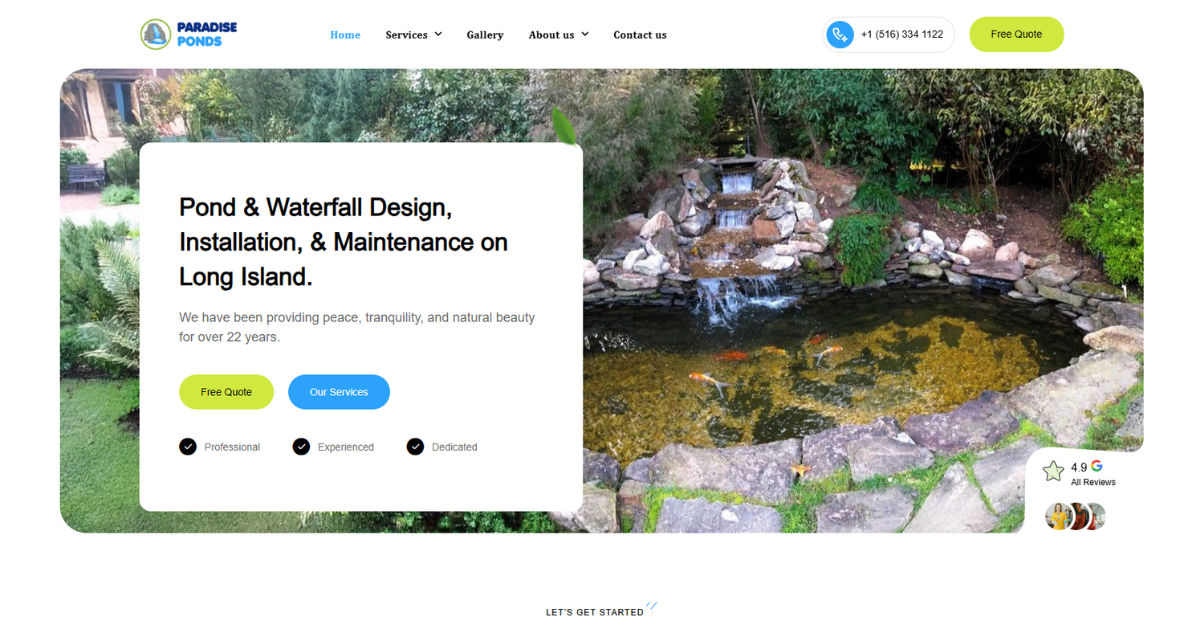
Why sound matters to a water feature company Long IslandWhy sound matters to a water feature company Long Island

For any water feature company Long Island, sound is not just a background detail—it is one of the most important design elements that shapes how people experience outdoor spaces.

When people imagine a garden fountain, a backyard waterfall, or a luxury koi pond, they are not only thinking about how it looks.

They are also imagining the calming sound of moving water. That sound can completely change the mood of a space, making it feel peaceful, private, and alive.

A professional water feature company Long Island understands that water sound design is just as important as visual design. The way water flows, drops, splashes, or trickles directly affects how people feel when they are near it.

This is why experienced designers spend as much time tuning sound as they do shaping stone, pumps, and layout.

In this guide, we will explore why sound matters so deeply in water feature design, how it is engineered, and why homeowners increasingly rely on a water feature company Long Island to get it right.

We will also break down how sound influences relaxation, property value, privacy, and overall outdoor enjoyment.


The Emotional Power of Water Sound

Sound has a direct connection to human emotion. A skilled water feature company Long Island uses this knowledge to create outdoor environments that reduce stress and promote calmness.

The sound of water works in three powerful ways:

It masks unwanted noise

In suburban and coastal Long Island environments, there is often traffic, neighbors, or distant construction noise. A properly designed water feature helps cover these distractions. A water feature company Long Island often positions waterfalls or fountains strategically to create a natural “sound shield.”

It creates relaxation responses

Research shows that flowing water lowers heart rate and reduces stress hormones. That is why many spas and wellness centers use water sounds in their environments. A water feature company Long Island brings this same principle into residential backyards.

It triggers positive memories

Water sounds often remind people of beaches, rivers, or childhood experiences near nature. A professional water feature company Long Island uses this emotional connection to design spaces that feel familiar and comforting.


Why Sound Design Is a Core Part of Water Features

A water feature is not complete until the sound is right. This is something every experienced water feature company Long Island knows well.

Sound design includes:

Flow rate control

The amount of water moving through a system changes the sound completely. A fast flow creates a strong waterfall sound, while a slow flow creates a soft trickle. A water feature company Long Island carefully adjusts pump strength to achieve the desired effect.

Surface interaction

Water hitting stone sounds different than water hitting smooth surfaces. Designers at a water feature company Long Island select materials not just for appearance, but for acoustic performance.

Height and drop distance

A taller drop creates a louder, more dramatic sound. Short drops create gentle background noise. A water feature company Long Island balances height and distance to match the homeowner’s preferences.


The Science Behind Water Sound Design

Sound in water features is not random. A professional water feature company Long Island applies basic physics and acoustics to create intentional experiences.

Frequency and tone

Water produces a wide range of frequencies depending on flow speed and impact. Higher frequencies feel light and delicate, while lower frequencies feel deep and powerful. A water feature company Long Island balances these tones carefully.

Sound dispersion

Outdoor environments absorb and reflect sound differently. Landscaping, walls, and open space all affect how water sound travels. A water feature company Long Island designs layouts that distribute sound evenly.

Material resonance

Stone, metal, and concrete all amplify sound differently. A skilled water feature company Long Island selects materials that enhance the desired acoustic effect without overwhelming the space.


Types of Water Sounds and Their Effects

Different water features create different sound experiences. A professional water feature company Long Island uses this variety to match homeowner goals.

Gentle trickling sounds

These are soft, light sounds often used in small gardens or meditation spaces. A water feature company Long Island may use narrow streams or small spouts for this effect.

Cascading waterfall sounds

This is a more powerful, layered sound. It is commonly used in larger landscape designs. A water feature company Long Island designs multi-step waterfalls to create depth in sound.

Splashing and bubbling sounds

These sounds are playful and dynamic. A water feature company Long Island often uses bubbling rocks or fountain jets in family-friendly spaces.

Deep rushing water sounds

This is the most intense sound, often used for dramatic landscape features. A water feature company Long Island may design large falls or pond spillways for this purpose.


How Sound Improves Outdoor Living Spaces

Outdoor spaces are meant for relaxation and entertainment. A water feature company Long Island enhances this experience through sound design.

Creating privacy

Water sound acts as a natural sound barrier. It reduces the impact of nearby conversations or traffic. A water feature company Long Island often installs water walls or perimeter fountains for this reason.

Enhancing relaxation zones

Patios, decks, and seating areas become more inviting when water sounds are present. A water feature company Long Island strategically places features near gathering spaces.

Supporting meditation and wellness

Many homeowners use their gardens for mindfulness and relaxation. A water feature company Long Island can design features specifically for quiet reflection.


The Role of Sound in Luxury Landscape Design

Luxury outdoor design is about experience, not just appearance. A water feature company Long Island treats sound as a premium design element.

Multi-layered soundscapes

Instead of one sound source, luxury designs include multiple water elements working together. A water feature company Long Island might combine fountains, streams, and waterfalls in one landscape.

Controlled sound intensity

Luxury clients often want adjustable sound levels. A water feature company Long Island may install smart pumps or zoning systems to control water flow.

Integration with lighting and visuals

Sound is often paired with lighting effects. A water feature company Long Island ensures that sound and visuals work together for maximum impact.


Common Mistakes in Water Feature Sound Design

Not every installation gets sound right. A professional water feature company Long Island helps avoid common problems.

Overpowering noise

Too much water flow can create a loud, harsh sound instead of a calming one. A water feature company Long Island carefully calibrates pump settings.

Weak or inaudible sound

On the other hand, some features are too quiet. A water feature company Long Island ensures sound is noticeable without being overwhelming.

Poor placement

If a water feature is placed too far from seating areas, its sound is wasted. A water feature company Long Island always considers listening zones.

Incorrect materials

Some stones or surfaces create unpleasant echoes. A water feature company Long Island selects materials based on acoustic performance.


Seasonal Sound Changes in Outdoor Water Features

Long Island experiences all four seasons, and sound changes with them. A water feature company Long Island designs systems that perform year-round.

Summer sound experience

In warm weather, outdoor spaces are used more often. A water feature company Long Island increases sound clarity and presence during peak usage months.

Winter sound reduction

Cold weather can change water flow and freezing conditions may reduce usage. A water feature company Long Island often designs seasonal shutdown systems.

Wind effects

Wind can alter how sound travels. A water feature company Long Island considers wind direction when positioning features.


Why Homeowners on Long Island Value Water Sound

Homeowners in the region increasingly choose a water feature company Long Island for one key reason: quality of life.

Stress reduction in busy environments

Even suburban areas can be noisy. A water feature company Long Island helps create peaceful outdoor escapes.

Increased property appeal

Well-designed water features improve property aesthetics and emotional appeal. A water feature company Long Island enhances both visual and acoustic value.

Better outdoor usage

People spend more time outside when environments feel peaceful. A water feature company Long Island helps make outdoor living more enjoyable.


Technology in Modern Water Sound Design

Modern systems allow more control than ever before. A water feature company Long Island now uses advanced tools for sound precision.

Smart pumps

These allow real-time adjustments to water flow. A water feature company Long Island uses them to fine-tune sound levels.

Acoustic modeling

Design software helps predict how sound will behave in a space. A water feature company Long Island uses this to plan layouts.

Automated systems

Timers and sensors allow features to operate efficiently. A water feature company Long Island integrates automation for convenience.


Sustainability and Natural Sound Design

Eco-friendly design is becoming more important. A water feature company Long Island often incorporates sustainability into sound planning.

Energy-efficient pumps

Lower energy use does not have to reduce sound quality. A water feature company Long Island balances efficiency and performance.

Natural filtration systems

These reduce maintenance while preserving sound clarity. A water feature company Long Island may use biological filtration in ponds.

Water recycling systems

Closed-loop systems ensure minimal water waste. A water feature company Long Island designs these for long-term sustainability.


The Future of Water Feature Sound Design

The industry is evolving quickly, and a water feature company Long Island is at the center of innovation.

We can expect:

  • More customizable sound environments
  • Integration with smart home systems
  • Advanced acoustic modeling tools
  • Greater focus on wellness-based design

A forward-thinking water feature company Long Island will continue to refine how sound is used to shape outdoor experiences.


Conclusion

Sound is one of the most powerful yet often overlooked elements in outdoor design. For any water feature company Long Island, mastering sound means creating environments that feel peaceful, natural, and emotionally engaging. From gentle trickles to powerful waterfalls, every sound choice influences how people experience their outdoor space.

A well-designed water feature is not just something you see—it is something you feel and hear. That is why homeowners trust a water feature company Long Island to balance acoustics, aesthetics, and engineering in perfect harmony.

As technology advances and design expectations grow, sound will continue to play an even bigger role in landscape architecture. The most successful water feature company Long Island professionals will be those who understand that water is not only a visual element, but also an acoustic experience that shapes mood, memory, and lifestyle.

Why meet a financial advisor?Why meet a financial advisor?

Managing money is one of the most important responsibilities in adult life. From paying bills and saving for emergencies to planning retirement and investing wisely, financial decisions affect every stage of life.

Many people try to handle everything alone, but the financial world has become more complicated over time. Taxes, investments, insurance, inflation, debt management, and retirement planning can quickly become overwhelming.

This is why meeting a financial advisor can make a major difference. A skilled financial advisor helps people organize their finances, set realistic goals, reduce financial stress, and make smarter decisions for the future.

Whether someone is starting their career, building a family, running a business, or preparing for retirement, professional financial guidance can provide clarity and confidence.

In today’s economy, many individuals struggle with rising living costs, uncertain markets, and long-term financial planning. Working with a financial advisor is no longer something only wealthy people do. People from all income levels can benefit from expert advice and structured planning.

This guide explains why meeting a financial advisor matters, how they help, what services they provide, and how choosing the right professional can improve financial health for years to come.

The Role of a Financial Advisor

A financial advisor is a professional who helps people manage their money and make informed financial decisions. Their goal is to help clients achieve financial stability and long-term success.

A financial advisor may assist with:

  • Budget planning
  • Saving strategies
  • Investment management
  • Retirement planning
  • Tax planning
  • Insurance advice
  • Estate planning
  • Debt reduction
  • College savings
  • Wealth management

Some people think a financial advisor only focuses on investments. In reality, their role is much broader. They create complete financial plans that help clients manage every part of their financial life.

Why Financial Planning Matters

Without a clear financial plan, people often make emotional or unorganized decisions. They may overspend, save too little, or invest without understanding risks. Over time, these mistakes can create serious financial problems.

Meeting a financial advisor helps people create structure and direction. Instead of guessing what to do next, clients receive professional recommendations based on their goals and income.

Financial planning matters because it helps people:

  • Prepare for emergencies
  • Build wealth steadily
  • Reduce financial stress
  • Avoid unnecessary debt
  • Plan retirement properly
  • Protect family members financially
  • Reach major life goals

A strong financial plan creates confidence and stability.

A Financial Advisor Helps Create Clear Goals

One of the biggest benefits of meeting a financial advisor is goal setting. Many people want financial success but do not know how to define or organize their goals.

A financial advisor helps turn general ideas into practical plans.

For example, a client may want to:

  • Buy a home
  • Save for college
  • Retire early
  • Start a business
  • Travel after retirement
  • Build investment income

The advisor studies the client’s income, expenses, savings, and timeline. Then they create a step-by-step plan to help achieve those goals realistically.

Clear goals improve motivation and financial discipline.

Professional Guidance Reduces Costly Mistakes

Financial mistakes can become expensive over time. Poor investment choices, unnecessary debt, missed tax opportunities, or weak retirement planning can affect financial security for decades.

A financial advisor helps clients avoid common mistakes such as:

  • Spending beyond their means
  • Ignoring retirement savings
  • Investing emotionally
  • Taking excessive risks
  • Keeping too much cash unused
  • Failing to diversify investments
  • Buying the wrong insurance coverage

Professional guidance often saves people more money than the advisor’s fees.

Investment Knowledge and Expertise

Investing can feel confusing for beginners. Stocks, bonds, mutual funds, exchange-traded funds, and retirement accounts all involve different levels of risk and reward.

A financial advisor explains these investment options in simple language. They help clients understand:

  • Risk tolerance
  • Investment timelines
  • Portfolio diversification
  • Market volatility
  • Long-term investment strategies

Instead of chasing trends or making emotional decisions during market changes, clients receive balanced advice focused on long-term growth.

This professional guidance often improves investment discipline and financial confidence.

Retirement Planning Becomes Easier

Retirement planning is one of the most important reasons to meet a financial advisor. Many people underestimate how much money they will need after leaving the workforce.

A financial advisor helps calculate:

  • Expected retirement expenses
  • Retirement income sources
  • Savings goals
  • Investment growth needs
  • Healthcare costs
  • Inflation impact

The earlier someone starts retirement planning, the easier it becomes to build long-term financial security.

A good retirement plan helps people enjoy greater freedom and peace of mind later in life.

Financial Advisors Help During Major Life Changes

Life changes often create financial uncertainty. During important transitions, a financial advisor can provide valuable support and planning.

Common life events include:

Marriage

Combining finances with a partner requires planning and communication. A financial advisor helps couples manage budgets, savings goals, and debt responsibilities together.

Having Children

Raising children increases financial responsibilities. Advisors help families plan education savings, insurance needs, and long-term financial stability.

Career Changes

Changing jobs, starting a business, or losing employment can affect financial plans. Professional guidance helps manage transitions carefully.

Divorce

Divorce can significantly impact savings, investments, taxes, and retirement plans. A financial advisor helps rebuild financial stability after separation.

Retirement

Transitioning from earning income to using savings requires careful planning. Advisors help retirees manage withdrawals and protect assets.

Managing Debt More Effectively

Debt is a major financial challenge for millions of people. Credit cards, student loans, personal loans, and mortgages can become difficult to manage without a strategy.

A financial advisor helps clients:

  • Organize debts
  • Prioritize repayment
  • Reduce interest costs
  • Improve budgeting habits
  • Avoid unnecessary borrowing

Debt management plans help people regain control over their finances while reducing stress.

Building Better Budgeting Habits

Budgeting is essential for financial success. However, many people struggle to track spending or maintain savings goals consistently.

A financial advisor creates practical budgets that fit a client’s lifestyle and income level.

Effective budgeting helps people:

  • Control spending
  • Increase savings
  • Reduce financial anxiety
  • Reach financial goals faster
  • Prepare for emergencies

Simple budgeting improvements often create major long-term benefits.

Emergency Fund Planning

Unexpected expenses happen to everyone. Medical bills, job loss, home repairs, or car problems can quickly create financial stress.

A financial advisor encourages clients to build emergency savings funds that provide protection during difficult times.

Emergency funds help prevent:

  • High-interest debt
  • Financial panic
  • Missed bill payments
  • Investment withdrawals

Having savings available creates greater financial security and confidence.

Tax Planning Benefits

Taxes affect income, investments, and retirement savings. Poor tax planning can reduce wealth over time.

A financial advisor helps clients understand tax-efficient strategies such as:

  • Retirement account contributions
  • Investment tax planning
  • Capital gains management
  • Charitable giving strategies
  • Tax-saving opportunities

While advisors may work alongside accountants, they often provide important tax planning support as part of a larger financial strategy.

Insurance Planning and Protection

Financial planning is not only about growing money. It is also about protecting assets and loved ones from unexpected risks.

A financial advisor reviews insurance needs, including:

  • Life insurance
  • Health insurance
  • Disability insurance
  • Property insurance
  • Long-term care coverage

Proper insurance planning protects families from major financial hardship during emergencies or unexpected events.

Emotional Support During Market Changes

Financial markets rise and fall regularly. During difficult economic periods, many investors panic and make emotional decisions.

A financial advisor helps clients remain calm and focused during market uncertainty. Instead of reacting emotionally, clients follow long-term investment strategies based on professional planning.

This emotional support can prevent costly mistakes caused by fear or impulsive decisions.

Customized Financial Strategies

Every person has different financial goals, income levels, and responsibilities. A good financial advisor creates personalized plans instead of using one strategy for everyone.

Customized planning considers:

  • Age
  • Income
  • Lifestyle
  • Family size
  • Career stage
  • Risk tolerance
  • Financial goals

Personalized strategies improve the chances of long-term financial success.

Financial Advisors Save Time

Researching investments, tax laws, insurance products, and retirement plans takes time and effort. Many people simply do not have enough time to manage everything properly.

A financial advisor handles research, planning, and financial monitoring, allowing clients to focus on work, family, and personal priorities.

Professional support saves time while improving organization and financial efficiency.

Helping Young Adults Start Strong

Young adults often face important financial decisions early in life. Student loans, first jobs, renting apartments, and building credit all require smart planning.

Meeting a financial advisor early can help young adults:

  • Build good financial habits
  • Start investing early
  • Avoid excessive debt
  • Improve credit management
  • Create savings goals

Starting financial planning early creates long-term advantages through compound growth and disciplined habits.

Helping Families Protect Their Future

Families often have complex financial responsibilities. Mortgage payments, education costs, healthcare expenses, and retirement planning all compete for attention.

A financial advisor helps families organize priorities and create balanced financial plans that support both current and future needs.

Family-focused planning improves financial security and long-term stability.

Business Owners Benefit from Financial Advice

Business owners face unique financial challenges. Managing personal and business finances together can become complicated.

A financial advisor helps business owners with:

  • Business succession planning
  • Retirement accounts
  • Tax strategies
  • Investment management
  • Risk management

Professional guidance helps business owners build stronger long-term financial foundations.

Estate Planning and Wealth Transfer

Estate planning ensures that assets are distributed properly after death. Without a plan, legal complications and family conflicts may occur.

A financial advisor often works with attorneys to help clients organize:

  • Wills
  • Trusts
  • Beneficiary designations
  • Asset distribution plans

Estate planning protects families and preserves wealth for future generations.

Accountability and Financial Discipline

Many people understand basic financial principles but struggle with consistency. A financial advisor provides accountability and regular progress reviews.

Regular meetings encourage clients to:

  • Stay focused on goals
  • Continue saving
  • Avoid overspending
  • Maintain investment discipline

Accountability often improves long-term financial behavior.

Access to Financial Tools and Resources

Professional advisors often use advanced financial planning tools that help analyze investments, retirement projections, budgeting plans, and risk management strategies.

These tools provide:

  • Detailed financial analysis
  • Long-term projections
  • Investment tracking
  • Goal monitoring

Clients benefit from professional systems and resources that may not be available independently.

Financial Confidence and Peace of Mind

One of the greatest benefits of working with a financial advisor is peace of mind. Financial stress affects mental health, relationships, and daily life.

Knowing there is a structured plan in place helps clients feel more confident about their future.

Confidence grows when people:

  • Understand their finances
  • Follow clear strategies
  • Monitor progress regularly
  • Receive professional guidance

Financial peace of mind improves overall quality of life.

How to Choose the Right Financial Advisor

Not every advisor offers the same experience or services. Choosing the right financial advisor requires careful research.

Important factors include:

Credentials

Look for professional certifications and financial education.

Experience

Experienced advisors often handle complex situations more effectively.

Communication Style

A good advisor explains financial concepts clearly and listens carefully to client concerns.

Fee Structure

Understand whether the advisor charges flat fees, hourly fees, or commission-based compensation.

Fiduciary Responsibility

Fiduciary advisors are legally required to act in the client’s best interest.

Choosing the right professional creates stronger trust and better long-term results.

Questions to Ask a Financial Advisor

Before hiring a financial advisor, clients should ask important questions.

Examples include:

  • What services do you provide?
  • How are you compensated?
  • What are your qualifications?
  • What investment philosophy do you follow?
  • How often will we meet?
  • How do you manage risk?

These questions help clients understand whether the advisor matches their financial needs and goals.

Common Myths About Financial Advisors

Many myths prevent people from seeking professional financial help.

Myth 1: Only Wealthy People Need Advisors

People at all income levels can benefit from financial guidance.

Myth 2: Financial Advisors Only Sell Investments

Modern advisors often provide complete financial planning services.

Myth 3: Financial Planning Is Too Expensive

Professional guidance may save more money than it costs through better decisions and long-term planning.

Myth 4: I Can Learn Everything Online

Online information can help, but personalized advice remains valuable because every financial situation is different.

Understanding these myths encourages more people to seek professional support.

Technology and Modern Financial Planning

Technology has changed how financial services operate. Many advisors now offer virtual meetings, digital financial tracking, and online investment management tools.

Modern technology allows clients to:

  • Monitor investments online
  • Review financial goals digitally
  • Schedule virtual meetings
  • Access reports quickly

Technology improves convenience while maintaining personalized financial support.

The Long-Term Value of Financial Advice

The value of meeting a financial advisor often grows over time. Small improvements in budgeting, saving, investing, and tax planning can create major long-term financial benefits.

Consistent financial planning helps people:

  • Build wealth steadily
  • Reduce financial mistakes
  • Improve retirement readiness
  • Protect family members
  • Achieve financial independence

Long-term financial success usually depends more on discipline and planning than short-term market trends.

When Should You Meet a Financial Advisor?

Many people delay meeting a financial advisor because they think they need more money first. In reality, earlier planning usually creates better outcomes.

Good times to seek advice include:

  • Starting a new job
  • Getting married
  • Having children
  • Receiving an inheritance
  • Buying a house
  • Starting a business
  • Preparing for retirement

However, it is never too late to improve financial planning.

Conclusion

Meeting a financial advisor can improve nearly every part of a person’s financial life. From budgeting and debt management to investing and retirement planning, professional guidance helps people make smarter and more organized financial decisions.

A knowledgeable financial advisor provides personalized strategies, emotional support during market uncertainty, and long-term financial structure. They help clients avoid costly mistakes, stay focused on goals, and build stronger financial habits over time.

Financial planning is not only for wealthy individuals. Students, families, professionals, business owners, and retirees can all benefit from expert advice. In today’s complex economy, professional guidance often provides clarity, confidence, and peace of mind.

The sooner someone begins financial planning, the greater the opportunity for long-term success. Building wealth, protecting assets, reducing stress, and preparing for the future all become easier with the help of a trusted financial advisor.


 

Why use pdf to image converter for sharing?Why use pdf to image converter for sharing?

A pdf to image converter is becoming an essential tool for students, professionals, and everyday internet users who want faster and easier ways to share documents.

A pdf to image converter helps transform PDF files into image formats like JPG or PNG so they can be shared on social media, messaging apps, or websites without compatibility issues. In this guide, we will explore everything about a pdf to image converter, why it is useful, and how it improves modern digital communication.

This comprehensive guide is written in simple language so even a 12th-grade student can easily understand the concept and practical uses of a pdf to image converter.


What is a pdf to image converter?

A pdf to image converter is a tool or software that changes PDF files into image formats. Instead of opening a PDF reader, users can view each page as an image. A pdf to image converter can convert single-page PDFs or multi-page documents into separate image files.

Popular platforms like Adobe Acrobat offer built-in conversion features, while online tools such as Smallpdf, Zamzar, and iLovePDF provide quick browser-based solutions.

A pdf to image converter is especially useful when you want to share content without requiring the receiver to install any special software.


Why sharing PDFs is sometimes difficult

Before understanding the value of a pdf to image converter, it is important to know the limitations of PDF sharing.

PDF files are not always easy to open on every device. Some smartphones or apps may not support PDF readers properly. In many cases, users need to download extra apps to view a PDF file. This creates a barrier in fast communication.

A pdf to image converter solves this problem by turning documents into universally viewable images. Images can be opened on almost every device without additional software.


Why use a pdf to image converter for sharing

The main reason people use a pdf to image converter is convenience. Sharing images is faster and more flexible than sharing PDF files.

When you use a pdf to image converter, your document becomes easy to:

  • Send on WhatsApp or Telegram
  • Upload on Instagram or Facebook
  • Embed in websites or blogs
  • Preview without downloading
  • View on mobile instantly

A pdf to image converter ensures that the document is seen exactly as intended without formatting issues.


Benefits of using a pdf to image converter

A pdf to image converter offers several advantages that improve digital communication.

1. Easy accessibility

A pdf to image converter makes documents accessible to everyone. Even people without PDF readers can view the content easily.

2. Faster sharing

Images load faster than PDFs. A pdf to image converter reduces waiting time when sending or receiving files.

3. No software needed

With a pdf to image converter, users do not need specialized PDF software. Images open in default gallery apps.

4. Better compatibility

A pdf to image converter ensures compatibility across all devices, including Android, iOS, Windows, and Mac.

5. Preserves layout

A good pdf to image converter keeps the original formatting intact so the document looks the same as the PDF.


How a pdf to image converter works

A pdf to image converter works by rendering each page of a PDF as an image. The process is simple:

  1. Upload the PDF file
  2. The pdf to image converter reads each page
  3. It converts pages into image format
  4. You download the final images

Some advanced tools like Adobe Acrobat use high-quality rendering engines to maintain clarity. Online tools such as Smallpdf and iLovePDF also offer batch conversion features.

A pdf to image converter can handle multiple pages at once, making it useful for large documents.


When should you use a pdf to image converter?

A pdf to image converter is not needed in every situation, but it is very useful in specific cases:

Sharing on social media

Social platforms work better with images than PDFs. A pdf to image converter helps convert notes, flyers, or posters into shareable visuals.

School and college projects

Students often use a pdf to image converter to submit assignments in image format for easy uploading.

Business presentations

Professionals use a pdf to image converter to share slides or reports in a more accessible format.

Website publishing

Web developers use a pdf to image converter to embed visuals directly into web pages.


Types of pdf to image converter tools

There are different types of pdf to image converter tools available:

Online tools

Online tools like Smallpdf and Zamzar work directly in browsers. They are fast and easy to use.

Desktop software

Software like Adobe Acrobat offers advanced features such as high-resolution conversion and batch processing.

Mobile apps

Mobile-friendly pdf to image converter apps allow users to convert files directly from smartphones.


Advantages of online pdf to image converter tools

Online pdf to image converter tools are very popular because they are simple and require no installation.

Some key advantages include:

  • Free access in most cases
  • No need to install software
  • Works on any device
  • Quick upload and download
  • Easy interface for beginners

A pdf to image converter online is ideal for students and casual users who need quick results.


Limitations of pdf to image converter tools

Even though a pdf to image converter is useful, it has some limitations:

File size issues

Large PDFs may take longer to process in a pdf to image converter.

Quality loss

Some low-quality tools may reduce image clarity during conversion.

Privacy concerns

Uploading sensitive documents to an online pdf to image converter may pose security risks.

Internet dependency

Online tools require internet access, so a pdf to image converter may not work offline.


How to choose the best pdf to image converter

Choosing the right pdf to image converter depends on your needs.

Check image quality

Always select a pdf to image converter that maintains high resolution.

Look for speed

A fast pdf to image converter saves time, especially for large files.

Ensure security

If your files are sensitive, choose a trusted pdf to image converter with encryption.

Compare features

Some tools offer extra features like editing, cropping, or batch conversion.


Step-by-step guide to using a pdf to image converter

Here is a simple guide to using a pdf to image converter:

Step 1: Upload file

Choose your PDF file and upload it to the pdf to image converter.

Step 2: Select format

Choose JPG or PNG format in the pdf to image converter settings.

Step 3: Convert file

Click convert and let the pdf to image converter process the file.

Step 4: Download images

Download your converted images and share them anywhere.

This process makes a pdf to image converter extremely user-friendly.


Common mistakes to avoid

When using a pdf to image converter, users often make mistakes:

Uploading low-quality PDFs

Poor input leads to poor output in a pdf to image converter.

Ignoring file size limits

Some tools restrict large files in a pdf to image converter.

Using untrusted websites

Always use reliable platforms for your pdf to image converter.

Forgetting format selection

Always choose the correct format in the pdf to image converter before converting.


Real-life applications of pdf to image converter

A pdf to image converter is widely used in everyday life:

  • Teachers converting notes into images
  • Businesses sharing marketing flyers
  • Students submitting assignments
  • Designers sharing visual drafts
  • Social media users posting documents

In all these cases, a pdf to image converter improves communication speed and clarity.


Why pdf to image converter is important in modern communication

Today’s digital world demands speed and simplicity. A pdf to image converter helps meet these demands by making content easier to view and share.

Instead of dealing with software issues or file compatibility problems, users rely on a pdf to image converter to make documents instantly accessible.

This makes communication smoother across education, business, and personal use.


Future of pdf to image converter technology

The future of the pdf to image converter is very promising. With advancements in AI and cloud computing, conversion tools will become faster, more accurate, and more secure.

We can expect:

  • Better image quality
  • Faster processing speeds
  • Automatic optimization
  • Smarter cloud-based pdf to image converter systems

As technology grows, a pdf to image converter will become even more essential in digital workflows.


Conclusion

A pdf to image converter is a powerful and practical tool that simplifies how we share and view documents. Whether you are a student, professional, or casual user, a pdf to image converter helps you convert complex PDF files into easy-to-view images.

From improving compatibility to making sharing faster on social media, a pdf to image converter plays a key role in modern communication. Tools like Adobe Acrobat, Smallpdf, Zamzar, and iLovePDF make the process simple and accessible for everyone.

As digital communication continues to grow, the importance of a pdf to image converter will only increase, making it an essential tool for everyday use.